 0
0
 0
0
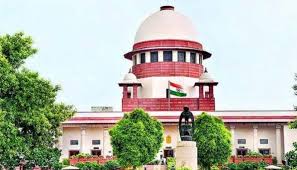
NEW DELHI — In a landmark decision that highlights the complex intersection of medical education economics and regulatory compliance, the Supreme Court of India has ruled that MBBS students relocated from a defunct private medical college cannot permanently claim subsidized government-fee rates.
The judgment, delivered on May 14, 2026, by a bench comprising Justice Vikram Nath and Justice Sandeep Mehta, addresses the financial fallout from the closure of Sardar Rajas Medical College and Hospital (SRMCH) in Odisha. The apex court ruled that while the transfer of 124 students to other private institutions successfully rescued their academic careers, it did not permanently erase the higher financial obligations attached to their original admissions. The decision attempts to balance student welfare with the financial viability of the receiving medical institutions, signaling how future regulatory breakdowns in medical education will be legally managed.
The Genesis of the Dispute: Infrastructure Deficiencies and Emergency Relocations
The crisis began when repeated inspections by the Medical Council of India (MCI)—now succeeded by the National Medical Commission (NMC)—revealed severe, unaddressed deficiencies in infrastructure, faculty strength, and regulatory compliance at SRMCH. Consequently, the institution was denied a renewal of its recognition, leaving its enrolled medical students in academic limbo.
To prevent the loss of a crucial academic year, an emergency, state-supervised online counseling process was initiated. A total of 124 students were relocated to three recognized private medical institutions:
-
Kalinga Institute of Medical Sciences (KIMS): 41 students
-
Institute of Medical Sciences and SUM Hospital (IMS): 41 students
-
Hi-Tech Medical College and Hospital: 40 students
During this interim transition period, the transferee colleges received only government-rate fees—approximately ₹30,000 per year—from the relocated students. This was significantly lower than the approved private fee structure originally mandated by SRMCH. The transferred students argued that this heavily subsidized rate should apply permanently for the remainder of their MBBS programs, sparking a protracted legal battle over who should absorb the massive financial deficit.
Why the Supreme Court Rejected “Unjust Enrichment”
The Supreme Court explicitly rejected the argument that a mid-course emergency transfer permanently entitles private-tier students to government-college fee rates. Writing for the bench, the justices noted that allowing such a permanent subsidy would amount to “unjust enrichment” for the students, who had initially sought admission into a private institution with full awareness of its higher fee structure.
However, the court was equally clear that the defaulting institution, managed by the Selvam Trust, must not profit from its administrative and infrastructural failures.
To resolve the immediate financial shortfall, the Supreme Court directed the liquidation and distribution of:
-
₹10 crore furnished as bank guarantees by the Selvam Trust.
-
₹2 crore previously deposited with the court registry, alongside all accrued interest.
This total pool of approximately ₹12 crore is to be distributed equally among KIMS, IMS, and Hi-Tech Medical College within three months. Recognizing that this sum may not entirely cover the deficit, the court granted the transferee colleges the authority to approach the NMC to recover any remaining shortfall directly from the students, up to the maximum cap of the original SRMCH fee rates.
Expert Perspectives on Medical Education Policy
While the ruling focuses heavily on contract law and financial liability, public health policy experts view it as a critical commentary on the stability of India’s medical training pipelines.
Dr. Alok Prasad, a New Delhi-based medical education consultant and former administrator who was not involved in the litigation, explained the broader systemic implications:
“India’s healthcare system relies entirely on a predictable, highly structured pipeline of incoming physicians. When a medical college fails an inspection and loses its recognition, the immediate focus is always on saving the students’ clinical training. However, someone has to bear the operational cost of that training. Expecting receiving private institutions to absorb hundreds of clinical students at a 90% discount is economically unsustainable and risks degrading the quality of education for all enrolled students.”
Other experts note that the judgment protects the integrity of the medical admission system. If students could use the failure of a substandard private college as a backdoor to secure permanent, highly competitive government-fee seats, it would undermine the fair meritocratic allocation of subsidized medical seats nationwide.
Impact on Public Health and the Physician Supply Chain
The quality of medical education directly dictates the quality of patient care. When private medical colleges fail to maintain adequate faculty-to-student ratios or clinical infrastructure, the competency of future frontline physicians is put at risk.
Regulatory crackdowns by the NMC are necessary to protect public health, but as this case demonstrates, they create significant logistical turbulence. The Supreme Court’s ruling underscores that while courts will intervene to protect a student’s right to complete their medical degree, they will not rewrite the financial terms of private education. For the general public, this serves as a stark reminder of the critical importance of regulatory compliance in the private healthcare education sector, which trains a massive proportion of the nation’s medical workforce.
Limitations and Unresolved Operational Challenges
Despite providing a legal resolution, the judgment faces certain practical limitations. The Supreme Court acknowledged that the exact ledger of individual fee payments made by each of the 124 students over the years remains unclear. Consequently, the actual enforcement of this ruling will depend heavily on subsequent administrative audits.
The transferee colleges must now submit detailed representations to the NMC to calculate the exact deficits. Furthermore, the court acknowledged the immense emotional and psychological stress endured by these students, who were uprooted mid-course through no fault of their own. While the students had signed legal undertakings acknowledging that their final fee structures were subject to ongoing litigation, forcing young doctors or their families to pay retroactive fee deficits years after their initial relocation presents a severe financial hurdle that could lead to further localized disputes.
Key Takeaways for Prospective Medical Students
For health-conscious consumers, parents, and prospective medical students, this ruling offers several vital lessons:
-
Regulatory Health Matters: Before enrolling in any private medical college, families must thoroughly check the institution’s accreditation history, NMC inspection reports, and infrastructure compliance records.
-
Interim Relief is Not Permanent: Temporary lower fees granted by courts during a crisis are protective measures, not permanent financial entitlements.
-
Understand the Undertakings: Always read the fine print of legal undertakings signed during state-supervised emergency admissions, as they dictate long-term financial liabilities.
Reference Section
-
LiveLaw: “Students Transferred To Other Private Colleges After Original Institution Lost Recognition Can’t Claim Govt Fees: Supreme Court,” published May 15, 2026.
Medical Disclaimer: This article is for informational purposes only and should not be considered medical advice. Always consult with qualified healthcare professionals before making any health-related decisions or changes to your treatment plan. The information presented here is based on current research and expert opinions, which may evolve as new evidence emerges.