 0
0
 0
0
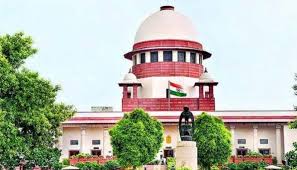
PRAYAGRAJ — The Supreme Court of India on June 21, 2026, refused to interfere with an Allahabad High Court order directing a high-level inquiry into allegations that government doctors attached to Moti Lal Nehru (MLN) Medical College in Prayagraj were running parallel private practices. The allegations suggest that these clinicians have been neglecting their primary duties at the government hospital, prompting a renewed national debate on the enforcement of rules that restrict private practice by state-employed physicians.
The Judicial Directive and Key Developments
The Supreme Court’s decision effectively declines to stay the Allahabad High Court’s earlier directive, which instructed the Uttar Pradesh Chief Secretary to establish a comprehensive inquiry. The original Public Interest Litigation (PIL) argued before the High Court questioned whether senior clinicians at MLN Medical College were entitled to engage in private practice while simultaneously holding government posts and drawing state salaries.
The High Court had previously ordered the state government to file detailed affidavits and examine the strict enforcement of a 1983 Uttar Pradesh service rule that restricts private practice by government doctors. Specifically, the state has been asked to clarify whether heads of departments and professors are permitted to practice in private nursing homes, and to formulate a clear policy to halt these activities where they undermine public medical services.
By letting the High Court-ordered inquiry stand intact, the Supreme Court has signaled a judicial willingness to allow comprehensive fact-finding by state administrative authorities before deciding on broader constitutional or legal questions.
Context and the Dilemma of “Dual Practice”
The conflict at MLN Medical College highlights a long-standing structural challenge within the Indian healthcare ecosystem known globally as dual practice—a scenario where healthcare professionals maintain concurrent employment in both public facilities and private clinics.
                  ┌─────────────────────────────────────────┐
                  │        Government Medical Post          │
                  │  (Salaried, Public Service, Education)  │
                  └────────────────────┬────────────────────┘
                                       │
                        Is there strict enforcement?
                                       │
                      ┌────────────────┴────────────────┐
                      ▼                                 ▼
              [ YES: Full Focus ]              [ NO: Dual Practice ]
                      │                                 │
         • Maximized public hours          • Income supplemented
         • Improved patient care           • Divided clinician time
         • Better student oversight        • Potential public service gaps
Several states and central service rules heavily regulate or outright prohibit this setup. In Uttar Pradesh, the 1983 rules generally bar outside private practice for government doctors while offering a Non-Practicing Allowance (NPA)—a financial supplement paid in lieu of private practice earnings to encourage full-time dedication to public hospitals.
Nationally, legal precedents regarding dual practice show varied outcomes. Over the decades, different high courts have both struck down and upheld bans based on specific statutory interpretations, local administrative competence, and state-level healthcare infrastructure needs.
Public Health Implications and Expert Perspectives
Public health experts caution that unregulated dual practice can create severe structural imbalances. When government clinicians prioritize highly lucrative private work, their availability in public hospitals drops, and continuity of care frequently suffers.
“Dual practice can deeply undermine public hospital care when administrative oversight is weak,” says Dr. Neha Sharma, an independent public health physician. “The upcoming inquiry should focus heavily on patterns of clinician absence, measurable patient impact, and systemic administrative accountability.”
For low-income patients who rely entirely on government tertiary care centers like MLN Medical College, the consequences of clinician absenteeism are immediate:
-
Extended wait times for vital diagnostic and surgical procedures.
-
Higher financial burdens, as frustrated or desperate patients are often pushed toward costlier private nursing homes.
-
Diminished institutional trust, which widening inequities in healthcare access across vulnerable populations.
From a legal standpoint, the focus remains firmly on administrative procedure.
“The Supreme Court’s step to let the inquiry proceed reflects standard judicial deference to fact-finding by administrative bodies in complex service-delivery disputes,” notes Advocate R. K. Verma, an independent legal analyst. “Courts typically prefer to have an established paper trail and verified data from state authorities before enforcing sweeping policy remedies.”
Limitations in Current Data and Counterarguments
While the procedural steps and legal framework of the 1983 rules are clear, independent data quantifying the exact scope of the problem remains limited. No peer-reviewed studies or epidemiological reports have yet linked the MLN Medical College allegations directly to measurable declines in local patient outcomes. Current public records are restricted to the legal assertions made within the PIL and the subsequent administrative observations of the District Magistrate.
Furthermore, a counterargument exists among some medical administrators who suggest that limited, highly regulated private practice can actually serve as a tool for workforce retention. Proponents argue that allowing senior clinicians to supplement their income legally can prevent “brain drain” from public medical colleges to the corporate healthcare sector, provided that strict guardrails and transparent reporting mechanisms are securely in place to manage conflicts of interest.
Practical Takeaways for Patients and Providers
For patients relying on government medical colleges and hospitals, it is advised to strictly follow official outpatient department (OPD) schedules and utilize institutional grievance or complaint procedures if designated specialists are consistently unavailable.
For clinicians and healthcare administrators, the Supreme Court’s stance underscores an escalating legal intolerance for ambiguous compliance. It highlights an urgent need for state healthcare systems to maintain transparent records, clear reporting on permitted exceptions, and reliable oversight to preserve the integrity of public health institutions.
References
-
- https://medicaldialogues.in/news/health/doctors/govt-doctors-should-not-indulge-in-private-practice-sc-refuses-to-interfere-with-mln-medical-college-inquiry-173506
Medical Disclaimer
Medical Disclaimer: This article is for informational purposes only and should not be considered medical advice. Always consult with qualified healthcare professionals before making any health-related decisions or changes to your treatment plan. The information presented here is based on current research and expert opinions, which may evolve as new evidence emerges.