 0
0
 0
0
NEW DELHI — In a significant move to bolster the nation’s medical infrastructure and pandemic preparedness, the Department of Health Research (DHR) has announced the disbursement of ₹144.07 crore for the 2025-26 fiscal year. The funding, confirmed by Union Minister of State for Health and Family Welfare, Smt. Anupriya Patel, in a written reply to the Lok Sabha on March 23, 2026, targets critical areas including viral diagnostics, molecular oncology, and health technology assessments. This strategic allocation is designed to bridge the gap between laboratory research and bedside patient care across government hospitals and medical colleges nationwide.
A Multi-Front Strategy for Modern Healthcare
The 2025-26 budget release highlights a shift toward decentralized research. Rather than concentrating funds in a few elite centers, the DHR is distributing resources across several specialized schemes. This ensures that high-end diagnostic tools and research capabilities are available in regional medical colleges, closer to the populations that need them most.
Breakdown of the 2025-26 Research Allocation
| Scheme Name | Amount Disbursed (₹ Crores) | Primary Focus |
| Multi-disciplinary Research Units (MRU) | 61.99 | Local clinical research in medical colleges |
| Viral Research & Diagnostic Labs (VRDL) | 52.81 | Pathogen surveillance and epidemic response |
| DIAMOnDS (Oncology Services) | 17.15 | Advanced molecular testing for cancer |
| Health Technology Assessment (HTAIn) | 6.89 | Evaluating cost-effectiveness of treatments |
| Centre of Guidelines | 5.23 | Standardizing clinical protocols |
Boosting Pandemic Preparedness and Cancer Care
The two largest slices of the funding pie—MRUs (₹61.99 crore) and VRDLs (₹52.81 crore)—underline the government’s dual focus on chronic disease research and infectious disease surveillance.
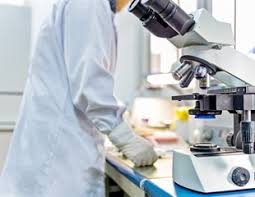
Multi-disciplinary Research Units (MRUs) act as “innovation hubs” within government medical colleges. By providing these institutions with modern equipment and dedicated research staff, the government aims to encourage faculty and students to investigate diseases prevalent in their specific geographic regions.
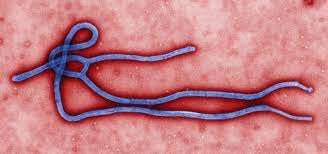
Meanwhile, the Viral Research and Diagnostic Laboratories (VRDL) network continues to be the country’s frontline defense against outbreaks. These labs are essential for identifying everything from seasonal influenza to emerging zoonotic threats.
“Investing in VRDLs is not just about the next pandemic; it’s about the current burden of viral diseases like Dengue and Hepatitis,” says Dr. Aranya Sen, a public health policy expert (not affiliated with the DHR). “Consistent funding allows these labs to maintain high-quality reagents and trained personnel, which are often the first casualties of a neglected health budget.”
Advanced Cancer Diagnostics: The DIAMOnDS Initiative
One of the most specialized allocations is the ₹17.15 crore for the DHR-ICMR Advanced Molecular Oncology Diagnostic Services (DIAMOnDS). This initiative aims to bring precision medicine to the public sector. Molecular oncology involves looking at the genetic makeup of a patient’s tumor to determine which treatments will be most effective—a process that is often prohibitively expensive in private facilities.
Why This Matters to the Public
For the average citizen, these numbers translate into better access to accurate diagnoses. When a local government hospital has a functioning MRU or a DIAMOnDS-affiliated lab, a patient may no longer need to travel to a metropolitan “Center of Excellence” for specialized tests.
“This funding represents a ‘democratization’ of medical science,” explains Dr. Sen. “When we fund Health Technology Assessments (HTAIn), we are essentially asking, ‘Which medicine works best for the lowest cost?’ This helps the government make informed decisions about which drugs to include in public insurance schemes like Ayushman Bharat.”
Challenges and the Path Ahead
While the ₹144.07 crore disbursement is a positive step, experts note that public funding remains the primary—and sometimes only—source of medical research capital in India. Organizations like the Anusandhan National Research Foundation (ANRF) and the Department of Biotechnology (DBT) also contribute, but the integration between these various departments remains a complex administrative challenge.
Some critics argue that while infrastructure development is crucial, there must be a parallel focus on “human capital.” Modern labs require highly skilled bioinformaticians and molecular biologists, roles that often see a “brain drain” to the private sector or overseas.
Furthermore, the ₹5.23 crore allocated for the Centre of Guidelines is a relatively small but vital portion of the budget. In a country with vast differences in healthcare delivery, creating uniform, evidence-based clinical guidelines is essential to ensure that a patient in a rural clinic receives the same standard of care as one in a city hospital.
Looking Forward: 2026 and Beyond
As the 2025-26 fiscal year progresses, the impact of these funds will be monitored through the output of peer-reviewed research and the volume of diagnostic tests performed at the funded units. For the health-conscious consumer, these developments signal a robust move toward a more scientifically grounded public health system.
The DHR’s commitment to “Health Technology Assessment” (HTAIn) is particularly noteworthy. By evaluating the cost-effectiveness of new medical devices and drugs, the government aims to ensure that public money is spent on interventions that provide the maximum benefit to the maximum number of people.
References
-
Primary Source: Press Information Bureau (PIB) Delhi, “Rs. 144.07 Crore Disbursed for Advancing Medical Research,” Posted March 23, 2026. [Release ID: 2026/DHR/0323].
Medical Disclaimer: This article is for informational purposes only and should not be considered medical advice. Always consult with qualified healthcare professionals before making any health-related decisions or changes to your treatment plan. The information presented here is based on current research and expert opinions, which may evolve as new evidence emerges.