 0
0
 0
0
May 4, 2025
A groundbreaking discovery by scientists at Washington University School of Medicine in St. Louis has shed new light on how mammalian sperm successfully navigate the journey to fertilization. The research, published in Nature Communications, uncovers a heat-activated “switch” on sperm that could revolutionize both fertility treatments and contraceptive methods.
Sperm’s Temperature Trigger
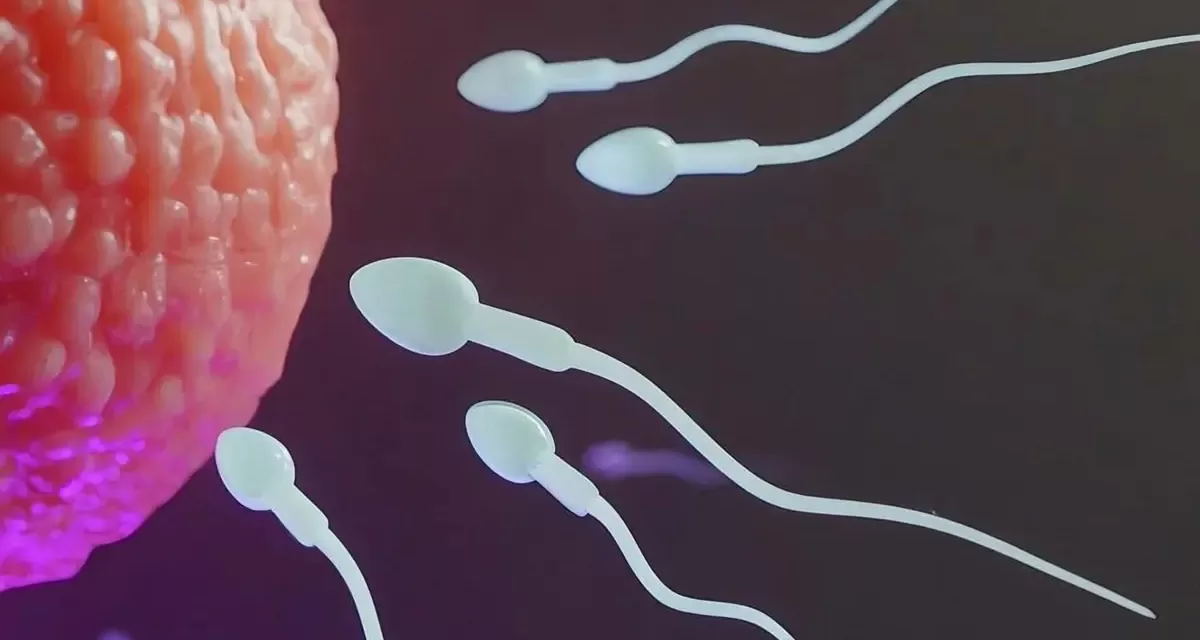
Sperm are known for their preference for cooler environments, which is why mammalian testicles are located outside the body. But when sperm enter the warmer environment of the female reproductive tract, they undergo a dramatic transformation. The new study reveals that a surface protein called CatSper acts as a temperature-sensitive switch. When exposed to temperatures above 38°C (100.4°F), CatSper activates, causing sperm to shift from calm, forward swimming to a vigorous, whip-like thrash. This hyperactive movement is crucial for penetrating the egg during fertilization.
“This hyperactive state in sperm is key for successful fertilization, and no one knew exactly how temperature triggers it,” said Dr. Polina Lishko, professor of cell biology and physiology at WashU Medicine. “Our work has identified a temperature-controlled switch in sperm that triggers these increased movements precisely when they are needed during fertilization.”
Implications for Fertility and Contraception
Previously, CatSper was thought to respond only to pH and progesterone, but the study shows that temperature is the real trigger. This finding not only explains the evolutionary adaptations for keeping sperm cool but also opens the door to new fertility interventions. For example, activating CatSper prematurely could drain sperm of energy before they reach the egg, offering a novel, non-hormonal contraceptive approach.
Conversely, for men struggling with infertility, therapies could be developed to ensure proper CatSper activation and sperm motility at the right moment.
A Broader View: Female Fertility and Aging
The study also explored the aging process in female ovaries, analyzing samples from donors aged 20 to 77. The researchers found that different regions of the ovary age at different rates, with the ovarian cortex (which houses immature eggs) showing signs of decline after age 40. The surrounding support system for eggs, including granulosa and stromal cells, also deteriorates, contributing to reduced fertility well before menopause.
One key factor is reduced TGF-beta signaling, which leads to fibrosis and stiffening of ovarian tissue, further impacting fertility.
Next-Generation Fertility Treatments
These findings suggest that future fertility treatments could target these newly discovered weak points. In men, manipulating CatSper activation could provide safe, targeted contraception. In women, therapies to boost TGF-beta or control ovarian fibrosis might help preserve fertility longer.
Understanding both sperm activation and ovarian aging offers a holistic approach to reproductive health, potentially benefiting couples seeking to conceive or avoid pregnancy.
Disclaimer:
This article is based on recent scientific research published in Nature Communications and summarized from Earth.com. The findings are preliminary and further studies are needed before any new treatments or contraceptives become available. Always consult a healthcare professional for personal medical advice regarding fertility and contraception.
Citations: