 0
0
 0
0
February 18, 2026
SPARTANBURG, S.C. — A historic measles outbreak centered in South Carolina’s Upstate region reached 962 confirmed cases as of Tuesday, February 17, 2026. While the South Carolina Department of Public Health (DPH) reported 12 new infections since Friday—a notable decrease from the triple-digit daily surges seen in January—health officials warn that the crisis remains the largest U.S. measles outbreak in over a quarter-century. Driven by significant vaccination gaps in local communities, the virus has primarily affected children and prompted a massive public health mobilization to prevent the loss of the nation’s measles elimination status.
The Scale of the Surge: A Demographic Breakdown
The outbreak, which ignited in late 2025 in Spartanburg County, evolved rapidly into a public health emergency. In January alone, 671 cases were recorded as the virus tore through schools, churches, and high-traffic retail locations. While mid-February data suggests a potential plateauing of the curve, the sheer volume of infections has strained local resources.
The demographic data reveals a sobering reality for parents:
-
Children under age 5: 253 cases
-
Ages 5–17: 615 cases
-
Adults: 85 cases
-
Unknown: 9 cases
Perhaps the most telling statistic is the vaccination status of those infected. According to DPH records, 92.8% of cases (893 individuals) occurred in unvaccinated residents. While 46 cases involved individuals who had received one or two doses of the Measles, Mumps, and Rubella (MMR) vaccine, experts characterize these as rare “vaccine breakthroughs” or primary vaccine failures, which are expected in a statistical minority of any large population.
Understanding the “Wildfire” Spread
Measles is caused by a highly contagious paramyxovirus. Unlike many respiratory illnesses, the measles virus can remain suspended in the air for up to two hours after an infected person has left a room.
“Measles is like a wildfire sparked by a single match,” says Dr. Linda Bell, State Epidemiologist. “In an unvaccinated setting, one infected person can spread the virus to 12 to 18 others. It is significantly more transmissible than the flu or even most strains of COVID-19.”
The clinical progression typically follows a 7-to-21-day incubation period:
-
Prodromal Phase: High fever, cough, coryza (runny nose), and conjunctivitis (red eyes).
-
Koplik Spots: Small white spots that may appear inside the mouth.
-
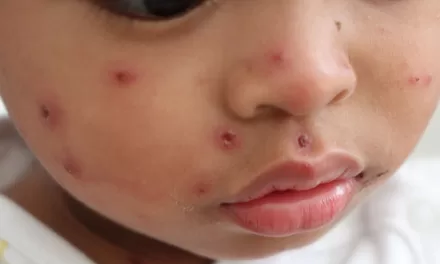
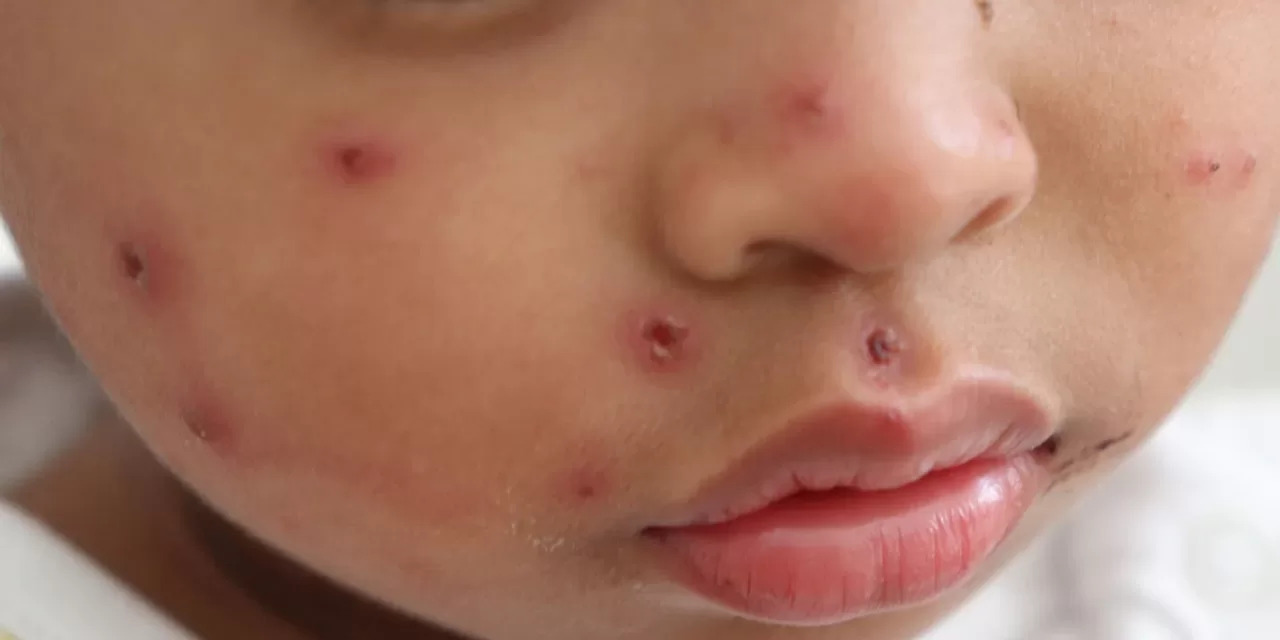
Exanthem Phase: A signature blotchy, red rash that begins at the hairline and spreads downward to the trunk and extremities.
Complications and Hospitalizations
While often dismissed by some as a routine childhood illness, the South Carolina outbreak highlights the severe complications associated with the virus. To date, 20 individuals have required hospitalization for serious conditions, including encephalitis (inflammation of the brain) and severe pneumonia.
Historical data from the Journal of Infectious Diseases suggests that approximately 1 in 1,000 children with measles will develop brain swelling that can lead to convulsions or permanent neurological damage. In this outbreak, the 15% hospitalization rate among the most severe cases aligns with national trends for modern outbreaks in under-vaccinated clusters.
Expert Perspectives: The Herd Immunity Threshold
The resurgence of measles in 2026 follows a troubling national trend. The CDC reported 910 cases across 24 states through mid-February, following a 2025 that saw 2,280 cases—the highest in decades.
“This outbreak is very active and growing aggressively,” warned Dr. Demetre Daskalakis, former CDC immunization director, in a recent briefing. He noted that the primary defense remains the “herd immunity” threshold. For measles, this requires roughly 95% of the population to be vaccinated to prevent sustained community transmission. When local pockets fall below this percentage, the virus finds a foothold.
Outside experts, including those from the Mayo Clinic, emphasize that the MMR vaccine is 93% effective after a single dose and 97% to 99% effective after the recommended two-dose series. The current outbreak serves as a “stress test” for community immunity, revealing exactly where those geographic and demographic gaps exist.
Public Health Response and Practical Advice
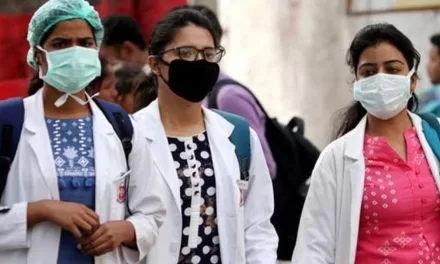
In response to the surge, the DPH has deployed mobile MMR units to offer free vaccinations in Spartanburg and surrounding areas. Public health officials have also issued strict quarantine orders for 127 exposed individuals to break the chain of infection.
For the general public, health authorities recommend the following:
-
Verify Records: Ensure children have received both doses of the MMR vaccine.
-
Monitor Symptoms: If you have been at a known exposure site (such as the Spartanburg Walmarts or local schools listed on the DPH website), monitor for fever and cough for 21 days.
-
Call Ahead: If symptoms develop, call your healthcare provider before arriving at a clinic to prevent exposing other patients in the waiting room.
Limitations and Counterarguments
Some community members have expressed concerns regarding vaccine side effects, which can include fever or a mild rash in 5% to 15% of recipients. However, medical professionals point out that these risks are statistically negligible compared to the 1-in-1,000 risk of encephalitis or the high rate of respiratory complications from the natural virus.
Critics of the public health response have also questioned whether the February “slowdown” is a result of medical intervention or simply the virus “burning out” as it runs out of susceptible hosts. While viruses do naturally slow as they deplete the pool of unvaccinated individuals, epidemiologists argue that the 127 active quarantines and the push for emergency vaccinations have likely shaved hundreds of potential cases off the final tally.
Looking Ahead
South Carolina’s crisis is a microcosm of a larger national vulnerability. As the U.S. nears the threshold that could see the World Health Organization revoke its “measles eliminated” status, the focus shifts to long-term education and restoring trust in routine childhood immunizations. For now, the focus remains on the Upstate: keeping the case count under 1,000 and ensuring no further lives are lost to a preventable disease.
References
-
South Carolina Department of Public Health (DPH). (2026, Feb 17). Tuesday Measles Update: 12 New Cases, Total 962. [dph.sc.gov]
Medical Disclaimer: This article is for informational purposes only and should not be considered medical advice. Always consult with qualified healthcare professionals before making any health-related decisions or changes to your treatment plan. The information presented here is based on current research and expert opinions, which may evolve as new evidence emerges.