 0
0
 0
0
NEW DELHI — In a landmark transformation of India’s grassroots healthcare and education network, the Union Government has completed the upgradation of 200,000 Anganwadi centres into “Saksham Anganwadis” as of December 2025. These modern hubs, equipped with advanced water filtration, LED learning systems, and digital tracking, represent a strategic shift in the country’s battle against malnutrition and developmental delays.
Union Minister for Women and Child Development, Annpurna Devi, detailed the progress in the Lok Sabha on Friday, emphasizing that the initiative under Mission Poshan 2.0 aims to modernize 40,000 centres annually. By integrating high-tech tools with traditional care, the government is betting on a “digital-first” approach to secure the health of the nation’s youngest citizens.
Beyond Four Walls: The Anatomy of a Saksham Anganwadi
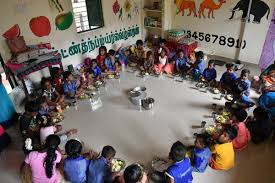
A “Saksham” (capable) Anganwadi is no longer just a community room for food distribution. The upgraded centres feature a standardized suite of improvements designed to address both physical health and cognitive growth:
-
Nutritional Security: Installation of RO water purification systems and the creation of Poshan Vatikas (nutrition gardens) to provide fresh, micro-nutrient-rich produce.
-
Early Childhood Education (ECCE): LED screens for interactive learning, specialized ECCE kits, and “BALA” (Building as Learning Aid) paintings that turn the walls themselves into educational tools.
-
Digital Governance: Utilization of the Poshan Tracker app to monitor 8.8 crore children in real-time.
“The shift to Saksham Anganwadis is not merely cosmetic,” says Dr. Aruna Sharma, a public health policy expert (not involved in the government report). “By providing clean water and tech-enabled learning, you are addressing the two biggest hurdles in rural development: water-borne illness and the ‘learning gap’ that starts before a child even enters primary school.”
Data as a Diagnostic Tool: The Poshan Tracker
At the heart of this modernization is the Poshan Tracker, a mobile application that has digitized the workflows of over 1.4 million Anganwadi workers. The app now facilitates “dynamic identification” of critical health indicators: stunting (low height for age), wasting (low weight for height), and underweight prevalence.
According to recent Ministry data, the tech-heavy approach is showing results. October 2025 figures indicate that stunting rates among children enrolled in Anganwadis have stabilized at approximately 33%, a notable improvement from the 35.5% reported in the National Family Health Survey (NFHS-5).
To ensure that “Take-Home Rations” (THR) reach the intended beneficiaries, the government has integrated a Facial Recognition System (FRS). This last-mile tracking tool aims to eliminate “ghost beneficiaries” and ensure that fortified grains and supplements reach pregnant women and children who need them most.
The “First 1000 Days” and Public Health
The medical community has long emphasized the importance of the “first 1,000 days”—the period from conception to a child’s second birthday. Chronic undernutrition during this window can lead to irreversible physical and cognitive damage.
By upgrading infrastructure, Mission Poshan 2.0 targets this window through:
-
Maternal Support: Counseling videos on birth preparedness and postnatal care delivered via the app.
-
Fortified Nutrition: Distribution of fortified rice and millets to bridge the gap between the Average Daily Intake (ADI) and Recommended Dietary Allowance (RDA).
-
Growth Monitoring: Real-time height and weight tracking to trigger early intervention for Severe Acute Malnutrition (SAM).
Challenges: The Digital Divide and Worker Burden
While the technological leap is significant, it is not without friction. Public health advocates and frontline workers have raised concerns regarding the “digital burden.”
“Many workers in remote areas struggle with erratic internet connectivity and limited digital literacy,” notes a recent report by the Impact and Policy Research Institute (IMPRI).
There are also reports of “machine-based exclusion,” where facial recognition failures or Aadhaar-linked errors can occasionally delay the distribution of rations. Experts suggest that while FRS is a powerful tool for transparency, it must include “manual override” protocols to ensure no child goes hungry due to a software glitch.
What This Means for You
For the millions of families relying on the Anganwadi system, the “Saksham” upgrade means more than just better buildings. It signifies a transition toward evidence-based parenting. Parents can now see their child’s growth plotted on digital charts, receive mobile-based counseling on breastfeeding, and access a standardized preschool curriculum that prepares children for Grade 1.
As India moves toward its 2030 Sustainable Development Goals (SDGs) for nutrition, the success of these 2 lakh centres will serve as a blueprint for the remaining 1.1 million Anganwadis across the country.
Reference Section
-
Primary Source: Statement by Annpurna Devi, Union Minister for Women and Child Development, Lok Sabha (Feb 6, 2026).
Medical Disclaimer: This article is for informational purposes only and should not be considered medical advice. Always consult with qualified healthcare professionals before making any health-related decisions or changes to your treatment plan. The information presented here is based on current research and expert opinions, which may evolve as new evidence emerges.