 0
0
 0
0
Published: March 28, 2026
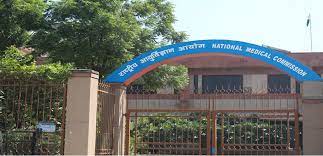
NEW DELHI – In a landmark move toward transparency and academic accountability, the National Medical Commission (NMC) has officially launched a nationwide anonymous online feedback portal for undergraduate MBBS students. Announced via an official circular on March 26, 2026, the initiative aims to bridge the long-standing gap between institutional infrastructure and student reality. By allowing over 128,000 medical students across 818 recognized colleges to report on everything from teaching quality to campus safety without fear of reprisal, the NMC seeks to utilize “boots-on-the-ground” data to drive systemic reforms in India’s rapidly expanding medical education sector.
A Digital Watchdog for the Next Generation of Doctors
The new portal, accessible directly via the NMC website, represents a shift in how the apex regulatory body monitors the health of its constituent institutions. Under the directive of Dr. Raghav Langer, Secretary of the NMC, the feedback form targets 14 critical domains of the medical student experience.
These include:
-
Academic Rigor: Quality of lectures, faculty availability, and curriculum relevance.
-
Clinical Competency: Patient exposure, laboratory facilities, and the adequacy of dissection halls.
-
Student Welfare: Mental health support, hostel safety, and anti-ragging measures.
-
Administrative Integrity: Transparency in college governance and rural posting management.
For years, the medical education landscape in India has been defined by explosive growth. Data from the Ministry of Health indicates a surge from 596 colleges in the 2021-22 academic year to 818 today. While this expansion addresses the national doctor-to-population ratio—currently estimated at 1:836—it has also raised red flags regarding diluted standards. Critics argue that infrastructure and faculty recruitment have not always kept pace with the nearly 129,000 MBBS seats now available.
Breaking the Cycle of Silence
One of the most significant aspects of the portal is its focus on student safety and mental health. The medical community was recently shaken by reports from a Lucknow medical college in early March 2026, where junior students were allegedly subjected to horrific physical and psychological torment, including being burned with candles by seniors.
Because the medical hierarchy is notoriously rigid, many victims of “ragging” (hazing) remain silent to protect their future careers. By ensuring strict anonymity, the NMC is betting that students will finally feel empowered to report such incidents and identify “toxic” campus cultures.
“Addressing mental health and anti-ragging in a single, streamlined form is a proactive necessity,” says Dr. Meena Sharma, a psychiatrist specializing in student mental health at AIIMS Delhi. “In high-stakes environments like MBBS, we see a 15-20% dropout risk due to chronic stress. Having a direct line to the regulator could provide the data needed to mandate better support systems.”
The “Ground Reality” of Medical Training
Beyond safety, the portal addresses the “clinical deficit” reported by students in newer or private institutions. While the NMC mandates specific teacher-to-patient ratios, “ghost faculty” (teachers who appear only during inspections) and under-equipped labs have remained persistent issues.
Dr. Sanjay Pai, a public health expert and former medical dean based in Karnataka, believes this student-centric approach could be revolutionary. “Anonymous feedback will unearth the ground realities that periodic inspections often miss,” Dr. Pai notes. “We have seen in smaller-scale studies that structured feedback mechanisms can improve formative student scores by 20-30%, as institutions are forced to address specific educational gaps.”
Potential Hurdles and the Road Ahead
Despite the optimism, the initiative faces skepticism regarding its implementation. Critics point to the digital divide; students in remote or rural colleges may have less consistent access to the portal or may still fear that “anonymity” is not absolute.
Furthermore, there is the risk of “feedback fatigue” or the potential for the portal to be used for personal vendettas against specific faculty members. To maintain balance, some educators suggest that the NMC must triangulate student data with faculty inputs and objective performance metrics.
“The success of this portal depends entirely on follow-through,” says a representative from a prominent health advocacy group. “If students provide data but see no changes in their labs or hostels six months later, the trust will evaporate.”
What This Means for Public Health
The implications of this move extend far beyond the classroom. In the long term, better-trained medical graduates lead to:
-
Improved Patient Outcomes: Doctors trained with adequate clinical exposure are less likely to make diagnostic errors.
-
Standardized Care: Bridging the gap between elite government colleges and private institutions ensures a baseline of competency for all practitioners.
-
Stronger Rural Healthcare: Feedback on rural postings can help the government refine programs like Ayushman Bharat, ensuring that doctors sent to underserved areas are actually prepared for the challenges they face.
Practical Information for Stakeholders
-
For MBBS Students: Participation is voluntary but encouraged. The form is open indefinitely at the NMC Student Feedback Portal.
-
For Parents: This portal provides a secondary layer of oversight, signaling the “institutional health” of the colleges where their children are enrolled.
-
For Healthcare Professionals: This marks a transition toward a more democratic, data-driven regulatory environment that aims to elevate the prestige of the Indian medical degree globally.
As India continues its journey toward universal health coverage, the NMC’s new feedback mechanism serves as a reminder that the quality of the physician is just as important as the quantity of the seats.
Medical Disclaimer: This article is for informational purposes only and should not be considered medical advice. Always consult with qualified healthcare professionals before making any health-related decisions or changes to your treatment plan. The information presented here is based on current research and expert opinions, which may evolve as new evidence emerges.
References
-
NMC Official Notice: “Online ‘Student Feedback Form’ for UG Students,” Dr. Raghav Langer, Secretary, NMC, March 26, 2026. PDF Reference