 0
0
 0
0
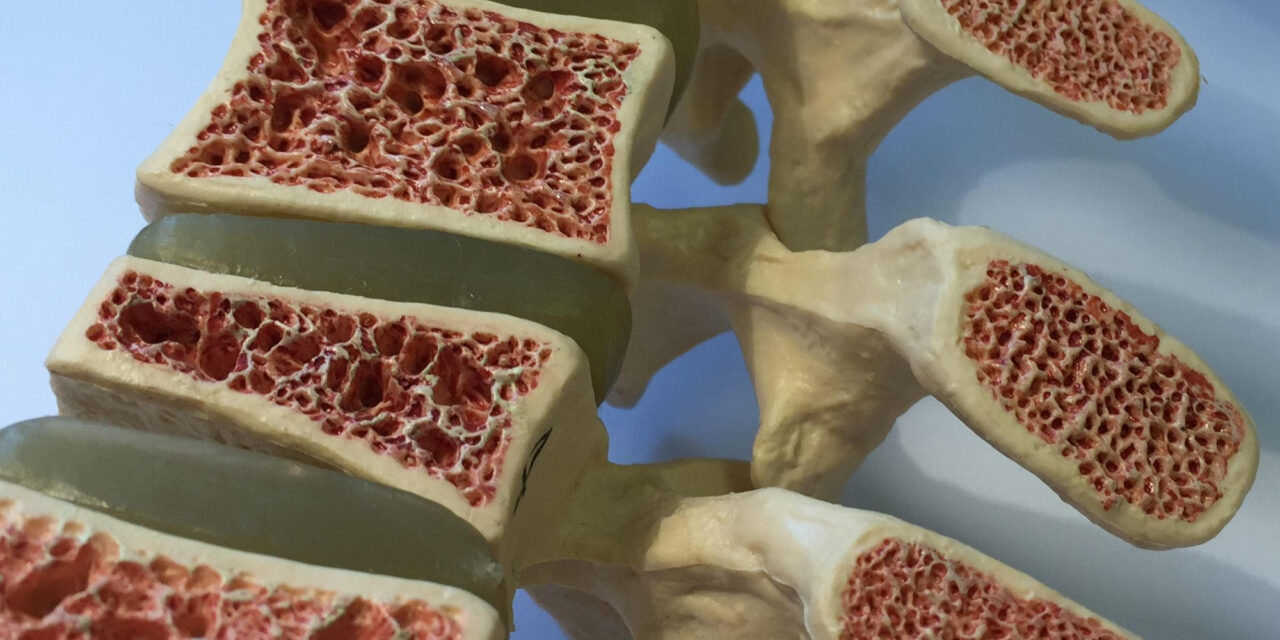
Scientists at Osaka Metropolitan University have developed a novel method that transforms stem cells derived from body fat into bone-forming clusters, successfully healing spinal fractures in animal models. This research demonstrates promising potential for a safe, minimally invasive treatment alternative for spinal fractures related to osteoporosis, which could lead to significant advances in bone disease treatments for humans.
Key Findings of the Study
The Osaka research team, led by Graduate School of Medicine student Yuta Sawada and Dr. Shinji Takahashi, extracted adipose-derived stem cells (ADSCs) from body fat and cultivated these cells into three-dimensional spheroids pre-differentiated toward bone-forming cells. When combined with a bone-rebuilding material called β-tricalcium phosphate, this treatment significantly enhanced bone healing and increased spinal strength in rats with injuries simulating human osteoporosis-related fractures. Furthermore, the therapy activated genes involved in bone formation and regeneration, indicating stimulation of the body’s natural healing processes.
Expert Perspectives
Sawada explained, “This study revealed the potential of bone differentiation spheroids using ADSCs for new spinal fracture treatments. Since the cells come from fat, the process is less burdensome and safer for patients.” Dr. Takahashi highlighted, “This effective method can treat difficult fractures and may accelerate healing, potentially extending patients’ healthy lives.” These statements emphasize the technique’s promise for safer, less invasive, and more effective management of spinal fractures and related bone diseases.
Background and Context
Spinal fractures, especially those caused by osteoporosis, represent a substantial public health challenge. They can lead to chronic pain, disability, and diminished quality of life, particularly in older adults. Current treatments often involve surgery, which carries risks and a lengthy recovery. Stem cell therapies aiming to regenerate bone have gained attention, but collecting suitable cells safely from patients, especially elders, has been an obstacle. ADSCs offer a practical source given the accessibility of fat tissue and the cells’ capacity to develop into bone cells.
Implications for Public Health and Daily Health Decisions
This advancement could lead to minimally invasive therapies that reduce recovery time and complications associated with spinal fractures. For the general public, especially aging populations at higher risk of osteoporosis, such treatments may offer hope for maintaining mobility and independence. It also stresses the importance of ongoing bone health maintenance through nutrition, exercise, and regular medical check-ups, as emerging regenerative therapies complement—not replace—traditional prevention and care strategies.
Potential Limitations and Balanced View
While results in animal models are promising, human clinical trials are essential to determine safety, efficacy, and long-term outcomes in diverse populations. It is also necessary to understand if the gene activation observed translates fully to humans and if there are any risks of abnormal bone growth or immune reactions. Additionally, accessing and processing ADSCs require specialized facilities, which may limit immediate availability. Thus, these findings represent an exciting step but not an immediate clinical solution.
Medical Disclaimer:
This article is for informational purposes only and should not be considered medical advice. Always consult with qualified healthcare professionals before making any health-related decisions or changes to your treatment plan. The information presented here is based on current research and expert opinions, which may evolve as new evidence emerges.
References
- https://www.sciencedaily.com/releases/2025/11/251111005949.htm
- https://www.aninews.in/news/health/scientists-turn-body-fat-into-bone-to-heal-spinal-fractures-study20251112151457