 0
0
 0
0
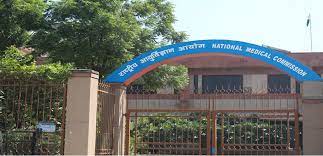
NEW DELHI — In a decisive move to curb “unethical medical malpractice” and protect vulnerable families, the National Medical Commission (NMC) has issued a binding advisory to all medical institutions across India. The directive, circulated on March 25, 2026, mandates strict adherence to a limited list of approved indications for stem cell therapy, effectively prohibiting its use for Autism Spectrum Disorder (ASD) outside of rigorous clinical trials.
This regulatory crackdown follows a landmark January 30, 2026, Supreme Court judgment that criticized the “rampant” promotion of unproven regenerative treatments. The ruling addresses a growing crisis where clinics have reportedly charged families between ₹4 lakh and ₹10 lakh ($4,800–$12,000) for experimental injections that lack scientific validation. By aligning medical education and practice with the Supreme Court’s stance, the NMC aims to ensure that “hype does not outpace science” in one of medicine’s most promising—yet exploited—frontiers.
A Legal Line in the Sand
The catalyst for this shift was the Supreme Court case Yash Charitable Trust & Ors. vs. Union of India & Ors. A bench comprising Justices J.B. Pardiwala and R. Mahadevan ruled that administering stem cell therapy for ASD currently violates the reasonable standard of care expected of medical professionals.
The court emphasized that “patient autonomy” does not grant a right to demand unproven treatments. Even with informed consent, the bench noted, a doctor cannot legally or ethically perform a procedure that lacks a solid evidence base. The judgment specifically highlighted that such interventions contravene the New Drugs and Clinical Trials Rules, 2019, and the Indian Council of Medical Research (ICMR) National Guidelines for Stem Cell Research.
“This is a watershed moment for patient safety in India,” says Dr. Ananya Sharma, a bioethicist not involved in the litigation. “It sends a clear message that the desperation of parents seeking a ‘cure’ for autism cannot be used as a business model for experimental medicine.”
Defining “Standard of Care”
To clear the air for both doctors and patients, the NMC advisory—bolstered by a directive from ICMR Secretary Dr. Rajiv Bahl—strictly defines what constitutes “standard care” versus “experimental research.”
Currently, the only universally recognized routine use for stem cells in India is Hematopoietic Stem Cell Transplantation (HSCT). This procedure is primarily used to treat life-threatening blood cancers and specific genetic disorders.
According to the 2021 ICMR National Guidelines, approved indications include:
Approved Indications for Stem Cell Therapy (HSCT)
| Category | Adult Indications (Sample) | Pediatric Indications (Sample) |
| Blood Cancers | Acute Myeloid Leukemia, Multiple Myeloma | Acute Lymphoblastic Leukemia, Hodgkin Lymphoma |
| Bone Marrow Failure | Severe Aplastic Anemia | Inherited Bone Marrow Failure Syndromes |
| Genetic/Metabolic | Multiple Sclerosis | Thalassemia, Sickle Cell Disease, Neuroblastoma |
Crucially, the ICMR has clarified that Mesenchymal Stem Cells (MSCs)—the type most frequently marketed by private clinics for autism, cerebral palsy, and anti-aging—are not recommended for routine clinical use in any condition at this time.
Why Autism Fails the “Evidence Test”
Stem cells are often described as the body’s “master cells,” capable of transforming into different tissue types. In HSCT, they act like new seeds in a garden, replacing a diseased immune system with a healthy one.
However, applying this to Autism Spectrum Disorder is far more complex. ASD is a neurodevelopmental condition involving intricate “wiring” differences in the brain, rather than a single damaged tissue that can be “repaired” with an injection.
“There is currently no high-quality, reproducible evidence that stem cells can reorganize the neural pathways associated with autism,” explains Dr. Vikram Sethi, a pediatric neurologist. “Furthermore, unregulated injections of mesenchymal cells carry risks of immune rejection, inflammation, or even tumor formation (teratomas). For families, the risk is not just financial—it’s physical.”
Practical Implications for Families
For the estimated 18 million Indians living with ASD, the NMC’s mandate provides a much-needed shield against exploitation, but it also leaves many searching for answers.
What should patients and caregivers do?
-
Verify the Indication: If a clinic offers stem cell therapy for anything other than the blood and metabolic disorders listed in the 2021 ICMR guidelines, it must be part of a registered clinical trial.
-
Check for Approvals: Legitimate trials must have approval from the Central Drugs Standard Control Organization (CDSCO) and the Institutional Ethics Committee.
-
Cost Transparency: Under ICMR ethical guidelines, participants in clinical trials should generally receive the experimental treatment free of charge and be covered by insurance for any trial-related injuries.
-
Focus on Proven Interventions: Experts urge a return to evidence-based management for ASD, such as Applied Behavior Analysis (ABA), speech therapy, and occupational therapy.
Public Health Impact and Limitations
The NMC mandate is expected to significantly reduce the number of “rogue” clinics operating in metro areas. By holding medical college deans and principals responsible for compliance, the regulatory body is embedding these ethical standards into the heart of the medical establishment.
However, challenges remain. Critics of the ruling point out that India lacks a dedicated, singular National Stem Cell Authority, a gap the Supreme Court has urged the government to fill. Without a centralized enforcement agency, small private clinics operating outside the umbrella of medical colleges may be harder to monitor.
Furthermore, while the ruling protects patients from harm, there is a delicate balance to strike. “We must ensure that while we stop malpractice, we don’t stifle genuine innovation,” notes Dr. V. Nair, a hematologist. “Research must continue, but it must be done through the front door of clinical trials, not the back door of commercial clinics.”
As India moves forward, this directive serves as a vital reminder: in the pursuit of medical miracles, the safety of the patient remains the highest law.
References
-
Medical Dialogues. (March 25, 2026). Stem cell therapy: NMC issues advisory for medical colleges to comply with Supreme Court directions. Source
Medical Disclaimer: This article is for informational purposes only and should not be considered medical advice. Always consult with qualified healthcare professionals before making any health-related decisions or changes to your treatment plan. The information presented here is based on current research and expert opinions, which may evolve as new evidence emerges.