 0
0
 0
0
A groundbreaking study has revealed that a single, moderate dose of psilocybin—the active compound found in “magic mushrooms”—can induce measurable changes in both brain activity and structural connectivity that persist for up to a month. Published in Nature Communications on May 5, 2026, the rigorous research tracked 28 psychedelic-naive adults to observe the immediate and longer-term neurological impacts of the compound. Led by scientists from the University of California, San Francisco (UCSF) and Imperial College London, the findings offer a fascinating glimpse into how psychedelics may physically reshape the human brain, correlating the acute subjective “trip” with sustained improvements in psychological insight, well-being, and cognitive flexibility.
Unlocking Neural Flexibility: What the Scans Reveal
To map the brain’s response with high precision, researchers utilized a placebo-controlled, within-subject design. Participants underwent advanced electroencephalogram (EEG) and magnetic resonance imaging (MRI) scans after receiving either a therapeutic 25-mg dose of psilocybin or a 1-mg inactive placebo.
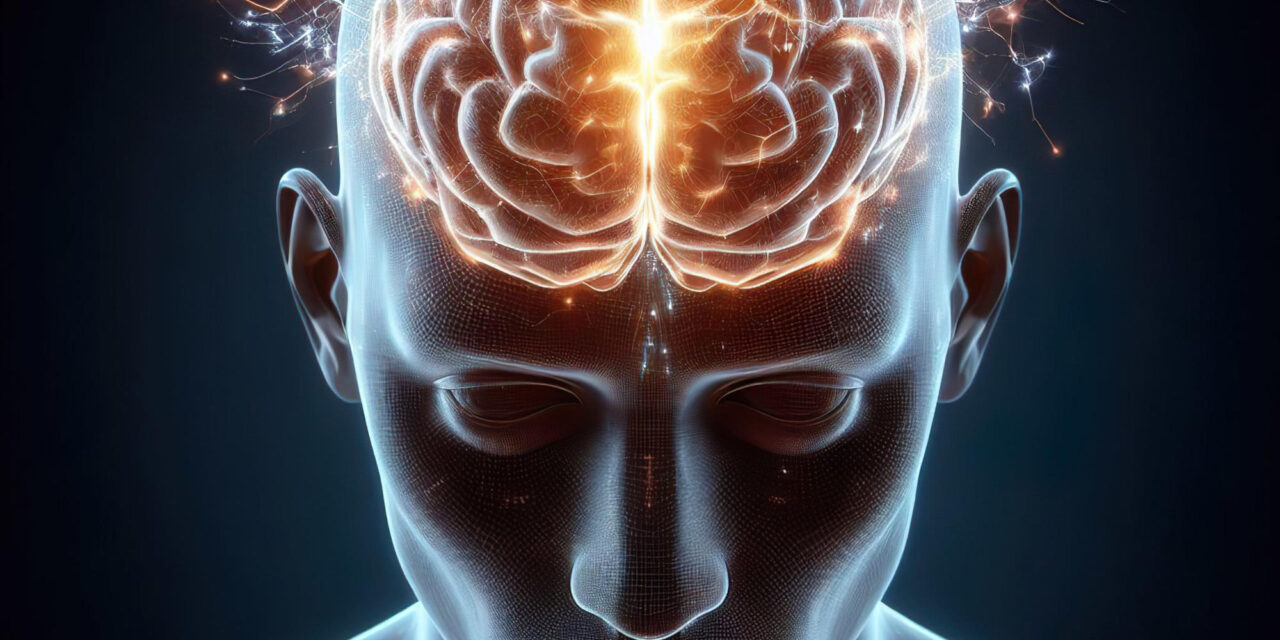
Within just one hour of administration, the full dose of psilocybin triggered a dramatic increase in brain entropy—a neurological metric used to describe more varied, complex, and less predictable patterns of neural signaling. Essentially, the compound appeared to break the brain out of its rigid, well-worn communication pathways, forcing it into a highly flexible, dynamic state.
[Standard Brain State]   --> Highly predictable, rigid neural pathways
          vs.
[Entropic Brain State]   --> Varied, flexible, interconnected signaling
The surprises continued long after the substance had left the participants’ systems. One month following the single dose, diffusion tensor imaging (DTI)—a specialized MRI technique that maps the brain’s white-matter tracts—revealed a significant decrease in axial diffusivity within prefrontal-subcortical pathways. These specific white-matter tracts act as the information superhighways connecting the executive, decision-making centers of the prefrontal cortex to deeper emotional and habitual brain regions.
The research team noted that a drop in axial diffusivity is a known hallmark of neuroplasticity, suggesting that the brain had physically reorganized or strengthened its structural connections.
Connecting the “Trip” to Long-Term Behavioral Gains
The structural changes seen on the scans matched noticeable behavioral changes in the participants. At the one-month follow-up, individuals reported significant boosts in psychological insight, overall well-being, and cognitive flexibility—the capacity to switch between different concepts or adapt to new information.
Crucially, the study discovered a direct mathematical link between the experience and the outcome: participants who exhibited the highest spikes in acute brain entropy during their session went on to report the greatest improvements in well-being and insight four weeks later.
Dr. Taylor Lyons, PhD, a research associate at Imperial College London and lead author of the study, explained that psilocybin appears to “loosen up stereotyped patterns of brain activity.” By temporarily dismantling these rigid networks, the compound may help individuals step outside of deeply ingrained, negative ways of thinking.
This finding lends strong support to an ongoing debate within psychedelic medicine: whether the psychoactive, hallucinogenic “trip” itself is medically necessary, or merely a side effect.
“The weight of the human evidence suggests that the trip experience is critical for therapeutic benefits,” noted Dr. Robin Carhart-Harris, PhD, senior author of the study and Professor of Neurology at UCSF.
The psychological breakthroughs achieved during the altered state of consciousness seem to act as the catalyst for the subsequent structural remodeling of the brain.
Contextualizing the “Entropic Brain”
This study expands on the “Entropic Brain” theory, a framework proposing that psychedelics inject a healthy dose of randomness into the central nervous system. In conditions like major depressive disorder, anxiety, and obsessive-compulsive disorder (OCD), the brain often becomes trapped in hyper-rigid, repetitive thought loops.
By temporarily inducing a high-entropy state, psilocybin acts almost like a software reboot. While previous literature has documented short-lived shifts in perception, this new data provides some of the first concrete evidence that a single exposure can leave a structural imprint lasting an entire month.
Important Cautions and Scientific Boundaries
While the findings are a milestone for psychedelic science, independent experts urge the public to view them with measured optimism rather than treating them as definitive proof.
Dr. Arona McNeill, an independent neuropsychologist who was not involved in the research, emphasized the inherent limitations of the study’s size and demographics.
“We must remember this study was conducted on a small cohort of 28 healthy adults who had never taken psychedelics before,” Dr. McNeill noted. “While the neurological shifts are highly compelling, we cannot automatically assume these same structural changes will occur in patients suffering from severe clinical depression, PTSD, or substance use disorders, whose baseline brain architecture may look very different.”
Furthermore, interpreting white-matter changes via DTI scans is notoriously complex. A decrease in axial diffusivity can point to neuroplasticity, but it can also be influenced by subtle cellular changes, shifts in fluid balance, or inflammation. Because MRI signals cannot peer directly at microscopic neurons in real-time, the study authors themselves stressed that their structural interpretations remain tentative and require rigorous replication in larger, more diverse clinical trials.
Public Health Implications: Medicine, Not a Lifestyle Trend
As public fascination with psychedelics grows, public health officials worry that studies like this might be misinterpreted as an endorsement for self-medication. Experts emphasize that the practical takeaway is not that psilocybin should be used as a casual wellness supplement or a do-it-yourself therapy.
The profound alterations observed in the brain underscore that psilocybin is a highly potent, biologically disruptive substance. In the study, the drug was administered in a pristine, controlled environment with precise dosing, meticulous screening, and professional psychological support before, during, and after the experience. Attempting to replicate these results recreationally introduces substantial psychological risks, particularly for individuals predisposed to certain psychiatric conditions.
For healthcare providers, this paper provides a valuable piece of the puzzle regarding how psychedelic-assisted therapy functions under the hood. For health-conscious consumers, the message remains clear: the science is moving at an exciting pace, but psilocybin should only be accessed through legitimate, legally sanctioned clinical trials and approved medical pathways.
References
- https://www.medscape.com/viewarticle/how-one-psilocybin-trip-may-reshape-brain-2026a1000fs9
Medical Disclaimer: This article is for informational purposes only and should not be considered medical advice. Always consult with qualified healthcare professionals before making any health-related decisions or changes to your treatment plan. The information presented here is based on current research and expert opinions, which may evolve as new evidence emerges.