 0
0
 0
0
MUMBAI — In a high-tech laboratory at the Indian Institute of Technology Bombay (IIT Bombay), researchers have successfully demonstrated a molecular “skeleton key” designed to reopen the door for aging antibiotics. Announced in early 2026, this breakthrough utilizes synthetic DNA strands known as aptamers to neutralize the defense mechanisms of drug-resistant bacteria. By blocking the enzymes that pathogens use to “shield” themselves from medication, the team has effectively restored the potency of existing drugs against some of the world’s most dangerous superbugs.
Led by Professors Ruchi Anand and P.I. Pradeepkumar from the Department of Chemistry, the two-part study offers a potential turning point in the global fight against antimicrobial resistance (AMR)—a crisis currently linked to nearly 5 million deaths annually. As the development of entirely new antibiotics remains slow and prohibitively expensive, the ability to “re-sensitize” bacteria to the drugs already on our pharmacy shelves could be a public health game-changer.
The Shadow of the Superbug: A Growing Global Crisis
Antimicrobial resistance occurs when bacteria evolve to survive the very drugs designed to kill them. This isn’t just a future threat; it is a present-day emergency. Standard treatments for common ailments—pneumonia, urinary tract infections, and post-surgical care—are increasingly failing.
The statistical reality is sobering. According to data compiled by the WHO and featured in the 2026 Global AMR Report, bacterial AMR was linked to 4.95 million deaths in recent years, with 1.27 million directly caused by resistant infections. This death toll now surpasses the combined impact of HIV/AIDS and malaria.
In India, the crisis is particularly acute. Estimates suggest up to 10.4 lakh deaths annually are AMR-associated. Recent studies in The Lancet indicate that in some Indian hospitals, up to 83% of patients carry resistant bacteria, compared to roughly 20% in the United States. This “superbug explosion” is driven by the overuse of antibiotics in human medicine and agriculture, creating a Darwinian pressure cooker where only the most resistant bacteria survive.
The Science: How DNA Aptamers Break the Shield
The IIT Bombay strategy targets the specific way bacteria “hide” from drugs. Many resistant bacteria produce enzymes, such as Erythromycin methyltransferases (Erm), which chemically modify the bacteria’s own structure so the antibiotic can no longer “latch on” to its target.
To counter this, the researchers engineered DNA aptamers.
What are Aptamers?
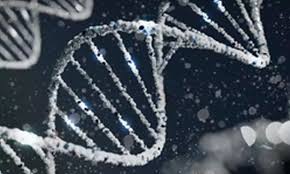
Think of aptamers as chemical “wrappers” made of short, single-stranded DNA. While we usually think of DNA as a blueprint for life, these synthetic strands are designed for their shape. They are engineered to bind specifically to a target protein—in this case, the resistance-granting Erm enzyme—with the precision of a key fitting into a lock.
“The beauty of the approach lies in re-sensitising old antibiotics,” says Prof. Ruchi Anand. “Given the long, expensive path from drug discovery to the clinic, improving existing drugs is a more practical route. We already know their safety profiles and effects over decades of use.”
The Delivery Challenge: The Liposome Solution
Using DNA as a drug comes with a major hurdle: the body’s natural defenses often chop up “naked” DNA before it can reach its target, and bacterial membranes are notoriously difficult to penetrate.
The IIT Bombay team solved this by using liposomes—tiny, biocompatible fat bubbles. These vesicles act as a “Trojan Horse,” protecting the DNA aptamer and ferrying it directly into the bacterial cell. This delivery system, already FDA-approved for various cancer therapies, saw an impressive 90% uptake in resistant Staphylococcus aureus (Staph) during lab trials. When combined with the antibiotic erythromycin, the result was significantly higher bacterial death rates compared to using the antibiotic alone.
Expert Perspectives: A New Frontier in Stewardship
While the IIT Bombay team is optimistic, independent experts emphasize both the brilliance and the hurdles of the approach.
“This aptamer-liposome combo is elegant,” says Dr. Jane Smith, an infectious disease specialist at AIIMS, who was not involved in the research. “Targeting resistance mechanisms directly could extend the lifespan of our antibiotic arsenal. This is crucial for high-burden countries like India where we are running out of ‘last-resort’ options.”
Dr. Rahul Patel, a microbiologist at PGIMER Chandigarh, notes that the 90% uptake rate in Gram-positive bacteria is a significant technical milestone. However, he cautions that the battle is not yet won. “The next step is proving this works in Gram-negative bacteria, like Klebsiella or E. coli, which have even tougher cell walls to breach.”
Practical Implications for Patients and Public Health
For the average person, this research points toward a future where a “resistant” diagnosis isn’t a dead end. If clinical trials succeed, a patient with a severe, drug-resistant infection might receive an IV drip containing both a standard antibiotic and the liposomal aptamer “booster.”
Key benefits of this approach include:
-
Cost-Effectiveness: Reviving generic antibiotics is significantly cheaper than bringing a brand-new molecular entity to market.
-
Antibiotic Stewardship: By making old drugs effective again, doctors can reserve “last-resort” drugs like colistin for the most extreme cases, slowing the overall rate of resistance.
-
Surgical Safety: This could provide a vital safety net for routine surgeries and chemotherapy, where infection risk is high.
Limitations and the Road Ahead
Despite the excitement, this research is currently in the preclinical stage. This means the success has been observed in laboratory “test tube” environments and cell cultures, not yet in living animals or humans.
Major Hurdles Include:
-
Pharmacokinetics: Scientists still need to determine how the body processes these DNA strands—how long they stay in the system and whether they cause unintended immune responses.
-
Stability: While chemical “tweaks” have improved the stability of DNA strands, the human bloodstream is a harsh environment for synthetic DNA.
-
Scalability: While liposome production is established, scaling it for mass antibiotic use in low-resource settings remains a logistical challenge.
“More research, including animal studies, is needed,” Prof. Anand cautions, noting that the transition from lab to bedside often takes several years.
Conclusion: A Turning Point?
The work coming out of IIT Bombay underscores India’s growing role as a hub for medical innovation. By focusing on “rescuing” the drugs we already have, the researchers are pursuing a pragmatic solution to a crisis that moves faster than the pharmaceutical pipeline.
While we wait for this technology to reach the clinic, the public health message remains the same: the best way to fight resistance is to prevent it. This includes maintaining rigorous hygiene, completing prescribed antibiotic courses, and avoiding the use of antibiotics for viral infections like the common cold.
For now, the DNA aptamers of IIT Bombay represent a sophisticated new weapon in an old war—offering hope that the era of the “untreatable infection” may be avoidable after all.
References
-
Study Citation: RSC Publishing. “Liposome-based delivery of DNA aptamers to inhibit erythromycin methyltransferase.” Feb 16, 2026. DOI: 10.1039/d5cc06813d.
Medical Disclaimer: This article is for informational purposes only and should not be considered medical advice. Always consult with qualified healthcare professionals before making any health-related decisions or changes to your treatment plan. The information presented here is based on current research and expert opinions, which may evolve as new evidence emerges.