 0
0
 0
0
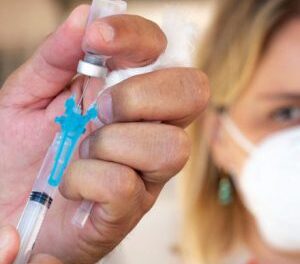
PUNE, INDIA — In a major proactive stride against one of humanity’s oldest and deadliest infectious diseases, the Serum Institute of India (SII) announced a milestone agreement with the Bill & Melinda Gates Medical Research Institute (Gates MRI) on July 16, 2026. Under the pact, SII will invest over $100 million of its own resources to scale up the manufacturing capacity of an experimental tuberculosis (TB) vaccine candidate, M72/AS01E. If late-stage trials succeed and regulatory approvals follow, this candidate could become the first new vaccine introduced to fight tuberculosis in more than a century, targeting a global crisis that claims over a million lives each year.
Preparing the Supply Chain Before the Verdict
The agreement establishes a deliberate blueprint to avoid the manufacturing bottlenecks that frequently stall global health rollouts after successful clinical trials. Gates MRI will lead the transfer of technical know-how and advanced manufacturing processes to produce the vaccine’s antigen at scale in SII’s facilities. Concurrently, British pharmaceutical company GSK, the original developer of the candidate, will supply its proprietary AS01E adjuvant—a crucial pharmaceutical ingredient designed to boost the body’s immune response to the antigen.
By deploying capital and preparing production lines well before knowing whether the vaccine works in Phase 3, the consortium aims to shave months, if not years, off the traditional timeline required to deliver doses to low- and middle-income nations, which bear the brunt of the epidemic.
The Persistent Shadow of an Ancient Killer
Tuberculosis is frequently misunderstood as a historical relic in wealthier regions, but global epidemiology tells a starkly different story. According to data compiled by the World Health Organization (WHO), an estimated 10.7 million people contracted tuberculosis and 1.23 million people died from the disease globally in 2024. It remains one of the world’s leading infectious causes of death.
The primary barrier to elimination has been the limitations of current medical tools. For decades, global prevention strategies have relied entirely on the Bacille Calmette-Guérin (BCG) vaccine, first introduced in 1921. While the century-old BCG shot provides reliable protection for infants and young children against severe, systemic forms of the disease, it offers highly inconsistent protection against pulmonary (lung) TB in adolescents and adults. Because individuals in these older age cohorts drive the vast majority of community transmission through coughing and respiratory droplets, the lack of an adult vaccine has left a profound gap in public health armor.
The Candidate: M72/AS01E Under the Microscope
The investigational shot, M72/AS01E, represents two decades of specialized development. The vaccine is designed specifically to trigger a robust immune reaction in adolescents and adults against Mycobacterium tuberculosis, the underlying bacterium.
A pivotal paper published in the journal Vaccine detailed that earlier Phase 2b clinical trials involving 3,575 participants demonstrated approximately 50% efficacy in preventing active pulmonary TB among adults who were infected with the latent bacterium but were HIV-negative.
Phase 2b Trial Efficacy Data (M72/AS01E)
┌────────────────────────────────────────────────────────┐
│ [█████████████████████████] 50% Efficacy                 │
└────────────────────────────────────────────────────────┘
Proves substantial protection against progression to active
pulmonary TB in latent-infected, HIV-negative adults.
While a 50% efficacy rate might appear modest compared to modern mRNA vaccines for other respiratory pathogens, its impact at a population level would be monumental due to the sheer volume of global infections. According to comprehensive mathematical modeling published by the WHO, a TB vaccine with a similar 50% efficacy profile could achieve extraordinary milestones over a 25-year period:
-
76 million new tuberculosis cases prevented
-
8.5 million lives saved
-
$41.5 billion saved in out-of-pocket costs and lost productivity for vulnerable, affected households
The final proof, however, rests on a massive, double-blind, randomized Phase 3 clinical trial sponsored by Gates MRI with funding from the Gates Foundation and Wellcome. The trial achieved full enrollment in April 2025, recruiting 20,000 participants across 54 clinical sites spanning five high-burden countries: South Africa, Kenya, Malawi, Zambia, and Indonesia.
Expert Perspectives and Public Health Stakes
Independent health researchers view the pre-emptive manufacturing deal as a vital proof-of-concept for global health equity.
“For too long, life-saving innovations have trickled down to high-burden countries years after proving successful,” noted Dr. Elena Rostova, an independent infectious disease epidemiologist not involved in the M72 trials. “By investing $100 million upfront, the Serum Institute is helping dismantle a legacy bottleneck. If the Phase 3 data validates the shot, we hit the ground running rather than starting from scratch on factory design.”
For countries like India—which bears the highest single-nation share of the global TB burden—local production by the world’s largest vaccine manufacturer by volume could radically reshape domestic healthcare logistics. Proximity to production minimizes shipping complications, secures national stockpiles, and substantially lowers per-dose costs, easing integration into national immunization frameworks.
Limitations, Realities, and Next Steps
Despite the justified optimism across scientific communities, public health agencies urge cautious realism. Promising trends observed in smaller Phase 2 trials do not guarantee identical outcomes in a massive, real-world Phase 3 cohort of 20,000 diverse individuals. The final safety, durability, and true efficacy data are still being compiled and must undergo rigorous independent peer review and stringent regulatory evaluations before a single dose can be administered to the public.
Furthermore, a vaccine is an instrument of prevention, not a standalone cure. Controlling tuberculosis requires a holistic approach. Even an exceptionally effective vaccine cannot instantly solve existing structural deficits, such as:
-
Pervasive diagnostic gaps that leave active cases undiagnosed.
-
The rise of multi-drug-resistant TB strains requiring complex antibiotic regimens.
-
Social determinants of health, including poverty, malnutrition, and overcrowded housing, which act as environmental drivers for bacterial transmission.
What This Means for the Public and Healthcare Providers
For health-conscious citizens, the immediate takeaway is one of systemic progress rather than immediate individual action. M72/AS01E is strictly an investigational product and is not commercially available at clinics or hospitals today. The standard BCG vaccine remains the primary recommendation for infant protection according to local guidelines.
For medical practitioners and clinical communicators, this development marks a critical shift in the respiratory disease landscape. It signals that adult-targeted tuberculosis intervention is moving from theoretical research into tangible industrial readiness. Doctors and nurses should monitor the upcoming Phase 3 readouts closely, as a positive trial result will necessitate major updates to global adult immunization protocols and public health counseling strategies in the coming years.
Reference Section
-
Serum Institute of India / Gates Medical Research Institute Joint Announcement: “Gates Medical Research Institute and the Serum Institute of India Reach Agreement for the Manufacture of M72/AS01E Tuberculosis Vaccine Candidate, Pending Successful Phase 3 Outcomes.” Issued July 16, 2026.
Medical Disclaimer: This article is for informational purposes only and should not be considered medical advice. Always consult with qualified healthcare professionals before making any health-related decisions or changes to your treatment plan. The information presented here is based on current research and expert opinions, which may evolve as new evidence emerges.