 0
0
 0
0
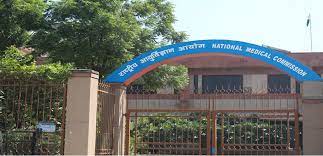
New Delhi, April 28, 2026 — In a move that has sent ripples through India’s healthcare and legal sectors, a powerful parliamentary watchdog has issued a stinging rebuke to the National Medical Commission (NMC). The Lok Sabha Committee on Subordinate Legislation revealed this week that the NMC—the country’s apex medical regulator—bypassed mandatory legal vetting by the Union Law Ministry before enacting critical regulations governing medical education and faculty standards.
The discovery has prompted the Union Health Ministry to intervene, with the panel demanding “constant vigilance” to ensure that the rules governing the training of India’s future doctors are not just well-intentioned, but legally sound.
A “Non-Negotiable” Step Missed
The controversy centers on the fundamental process of how laws are made in India. While Parliament passes broad Acts, bodies like the NMC are “delegated” the power to write specific rules and regulations. However, under standard legislative protocol, these rules must be vetted by the Ministry of Law and Justice to ensure they are constitutionally valid and do not exceed the authority granted by the original Act.
The parliamentary committee, while scrutinizing rules drafted under the National Medical Commission Act, 2019, found that three major sets of regulations were published directly in the Gazette of India without this essential legal audit:
-
Recognition of Medical Qualifications Regulations (2023)
-
Teachers Eligibility Qualifications Regulations (2022)
-
Medical Institutions (Qualifications of Faculty) Regulations (2025)
The panel expressed “shock” at the omission, labeling the vetting process a “non-negotiable step.” During depositions, representatives from both the NMC and the Health Ministry reportedly admitted to the procedural lapse, acknowledging a breakdown in the standard chain of administrative command.
Why Technical Vetting Matters to Public Health
To the average citizen, “legal vetting” might sound like bureaucratic red tape. However, in the context of medical education, it serves as a critical safety net.
Regulations regarding faculty qualifications determine who is fit to teach the next generation of surgeons, cardiologists, and general practitioners. If these rules are drafted poorly, they can be challenged in court, leading to “judicial nullification.” This could result in the sudden de-recognition of medical degrees or the freezing of faculty appointments—chaos that the Indian healthcare system, already facing a shortage of approximately 600,000 doctors per WHO estimates, can ill afford.
“Regulations shaping medical education must undergo rigorous legal scrutiny; bypassing this invites chaos in standards enforcement,” said Dr. R.V. Asokan, former president of the Indian Medical Association (IMA). “The Health Ministry must enforce compliance to protect patient safety and ensure the stability of our medical institutions.”
The Stakes: 1.5 Lakh Medical Seats and Rural Care
The NMC was established in 2020 to replace the Medical Council of India (MCI), which was dissolved following years of corruption allegations. The NMC’s mandate is ambitious: overseeing standards for over 700 medical colleges and facilitating the government’s goal of reaching 150,000 (1.5 lakh) medical seats by the end of 2026 under the Ayushman Bharat scheme.
However, this latest procedural error adds to a growing list of concerns regarding the commission’s transparency. Recent reports of NEET exam inconsistencies and delays in institutional approvals have already strained public trust.
Dr. Sujeet Kumar, a health policy analyst, warned that the implications go beyond paperwork. “Subordinate legislation binds institutions nationwide. If a rule is found to be legally flawed because it wasn’t vetted, every administrative action taken under that rule becomes vulnerable. This could stall vital reforms and leave students in limbo.”
[Image comparing the role of the Ministry of Health vs. the National Medical Commission]
Public Health and Consumer Impact
For the 1.4 billion people in India, the quality of medical training is a direct determinant of health outcomes. Currently, rural India faces an 80% shortage of specialists in primary health centers. The integrity of the NMC’s regulations ensures that as the country scales up its doctor count, it does not sacrifice quality for quantity.
For consumers and students, the panel’s findings suggest a need for caution:
-
Medical Students: Those qualifying under newly issued regulations should stay informed about potential retroactive legal fixes that could impact qualification recognition.
-
Healthcare Providers: Hospitals and colleges must ensure they are adhering to the most current, legally validated versions of faculty standards to avoid future compliance penalties.
Balanced Perspectives: Speed vs. Protocol
While the parliamentary panel was firm in its criticism, some observers note the pressure the NMC is under. Since its inception, the commission has been tasked with rapidly modernizing a stagnant system and responding to post-pandemic needs, such as telemedicine standards and digital health integration.
The Health Ministry has acknowledged the committee’s concerns but noted that, thus far, no immediate legal challenges have successfully overturned the regulations in question. Supporters of the NMC’s proactive stance argue that over-reliance on external vetting could slow down urgent educational reforms. However, the parliamentary panel countered this, stating that “speed must not compromise legality.”
The Path Forward: Digital Tracking and Accountability
To prevent a recurrence, the committee has recommended that the Health Ministry implement a mandatory pre-Gazette vetting checklist. There are also discussions regarding a digital tracking system that would prevent a regulation from being published until a “Digital No-Objection Certificate” is received from the Law Ministry.
Under Section 56 of the NMC Act, the Central Government has the power to give directions to the Commission on even policy matters. The committee’s directive for the Ministry to “remain alert” suggests that the government may exercise tighter control over the NMC’s administrative functions in the coming months.
As India moves toward its goal of Universal Health Coverage by 2030, the reliability of its regulatory bodies remains the bedrock of public confidence. For now, the focus shifts to the Health Ministry, which is expected to table a formal action plan in Parliament to close these procedural loopholes once and for all.
Medical Disclaimer: This article is for informational purposes only and should not be considered medical advice. Always consult with qualified healthcare professionals before making any health-related decisions or changes to your treatment plan. The information presented here is based on current research and expert opinions, which may evolve as new evidence emerges.
References
-
Press Trust of India (PTI). “Par panel ‘taken aback’ as NMC issues regulations without law ministry clearance.” Published April 26, 2026. [DOI/URL: ptinews.com/story/3604897]
-
The Economic Times Health. “Par panel ‘taken aback’ as NMC issues regulations without law ministry clearance.” Updated April 27, 2026.