 0
0
 0
0
GENEVA – Amidst a rapidly shifting landscape of global conflict and dwindling financial reserves, the World Health Organization (WHO) Executive Board concluded its 158th session this week with a sobering yet determined “recalibration” of the world’s vaccination strategy.
Meeting from February 2–7, 2026, 36 Member States and 11 high-level non-State actors conducted a critical mid-term review of the Immunization Agenda 2030 (IA2030). While reaffirming that vaccines remain the most effective “insurance policy” for global health, delegates warned that the path to 2030 must adapt to a world significantly more volatile than the one in which the goals were first set.
A New Reality for Global Immunity
The IA2030 was launched in 2020 with the ambitious vision of a world where everyone, everywhere, at every age benefits from life-saving vaccines. However, the mid-term review highlights a “fragile” progress report. While initiatives like the “Big Catch-Up” reached over 11 million children by mid-2025 to close pandemic-era gaps, most of the decade’s targets remain off-track.
“The global health architecture and financing landscape have shifted significantly since 2020,” the Board noted in its summary report. With 36 active health emergencies worldwide and a notable decline in both domestic and international financing, the Board has called for a “build from here” approach—narrowing the focus to the most critical, high-impact areas for the second half of the decade.
Reaching the “Zero-Dose” Child
A central theme of the 158th session was the widening gap in equity. Current data reveals that over half of the world’s “zero-dose” children—those who have not received a single dose of basic vaccines—now live in fragile, conflict-affected, or remote settings.
“National averages often mask the harsh reality on the ground,” says Dr. Elena Russo, a global health policy analyst not affiliated with the WHO. “You might see a country with 80% coverage, but that hides the fact that in conflict zones or urban slums, coverage is near zero. The WHO is now signaling that reaching these specific, hard-to-reach clusters is the only way to prevent the next global outbreak.”
Fighting the “Contagion of Misinformation”
In a significant shift from previous years, the Executive Board placed “demand generation” and “trust-building” at the same level of priority as vaccine supply and logistics.
Delegates expressed deep concern over vaccine hesitancy, fueled by what the WHO describes as a “contagion of misinformation.” Some Member States reported coordinated influence operations aimed at undermining public trust in health systems. The Board urged for stronger, evidence-based risk communication and deeper community engagement to sustain the demand for vaccines in an era of skepticism.
Key Priorities for 2026–2030
| Priority Area | Action Plan |
| Financing | Refocusing limited resources on surveillance and outbreak response; replenishing the Contingency Fund for Emergencies. |
| Integration | Embedding vaccination into routine primary health care and universal health coverage (UHC) rather than standalone campaigns. |
| Life-Course Approach | Moving beyond childhood vaccines to ensure adolescents and adults receive boosters and new vaccines (e.g., HPV, TB). |
| Data & Accountability | Investing in digital systems to track subnational data and hold regions accountable for missing targets. |
Polio and TB: Stalled Progress
The Board also reviewed the End TB Strategy and the Polio Eradication Strategy, delivering a mixed report.
-
Tuberculosis: For the first time since the pandemic, TB cases began to decline in late 2024, yet the world remains significantly off-track for its 2025 milestones. The Board called for the urgent development of new TB vaccines for adults and adolescents, noting that current tools are insufficient to end the epidemic by 2030.
-
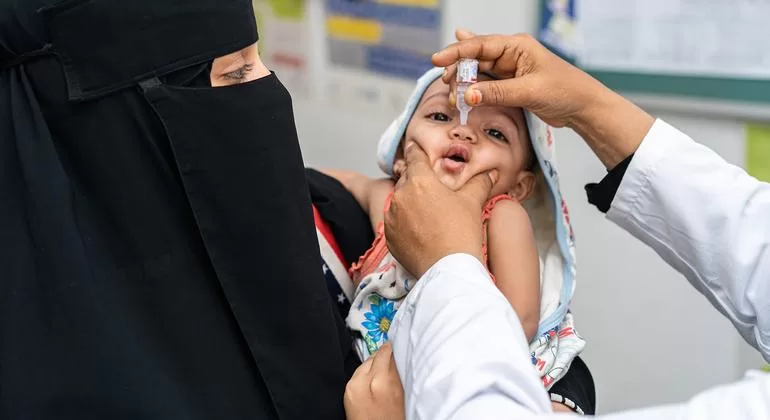
Polio: While wild poliovirus transmission is now restricted to limited areas of Afghanistan and Pakistan, “mobile populations” and conflict continue to hinder total eradication. Consequently, the Board supported extending the Polio Eradication Strategy to 2029, emphasizing that polio infrastructure must eventually be integrated into broader health systems to ensure long-term resilience.
What This Means for You
For the average citizen, the WHO’s pivot translates to a change in how healthcare is delivered. Rather than waiting for “vaccination days,” the goal is to make every doctor’s visit—whether for an injury, a check-up, or a chronic condition—an opportunity for immunization.
“The shift to a ‘life-course approach’ means we need to stop thinking of vaccines as just for babies,” says Dr. Russo. “Whether it’s the HPV vaccine for teens or the next generation of TB and pneumonia vaccines for the elderly, staying current on your shots is becoming a lifelong component of wellness.”
Looking Ahead
The recommendations from this session will serve as the blueprint for the seventy-ninth World Health Assembly in May 2026, where all 194 Member States will vote on the final prioritization guidance. As the world enters the “second half” of the 2030 decade, the message from Geneva is clear: the goals haven’t changed, but the strategy must.
References
-
Study/Report: World Health Organization. (2026). Immunization Agenda 2030: Mid-term review. (Document EB158/8). [https://apps.who.int/gb/ebwha/pdf_files/EB158/B158_8-en.pdf]
Medical Disclaimer: This article is for informational purposes only and should not be considered medical advice. Always consult with qualified healthcare professionals before making any health-related decisions or changes to your treatment plan. The information presented here is based on current research and expert opinions, which may evolve as new evidence emerges.