 0
0
 0
0
April 7, 2026
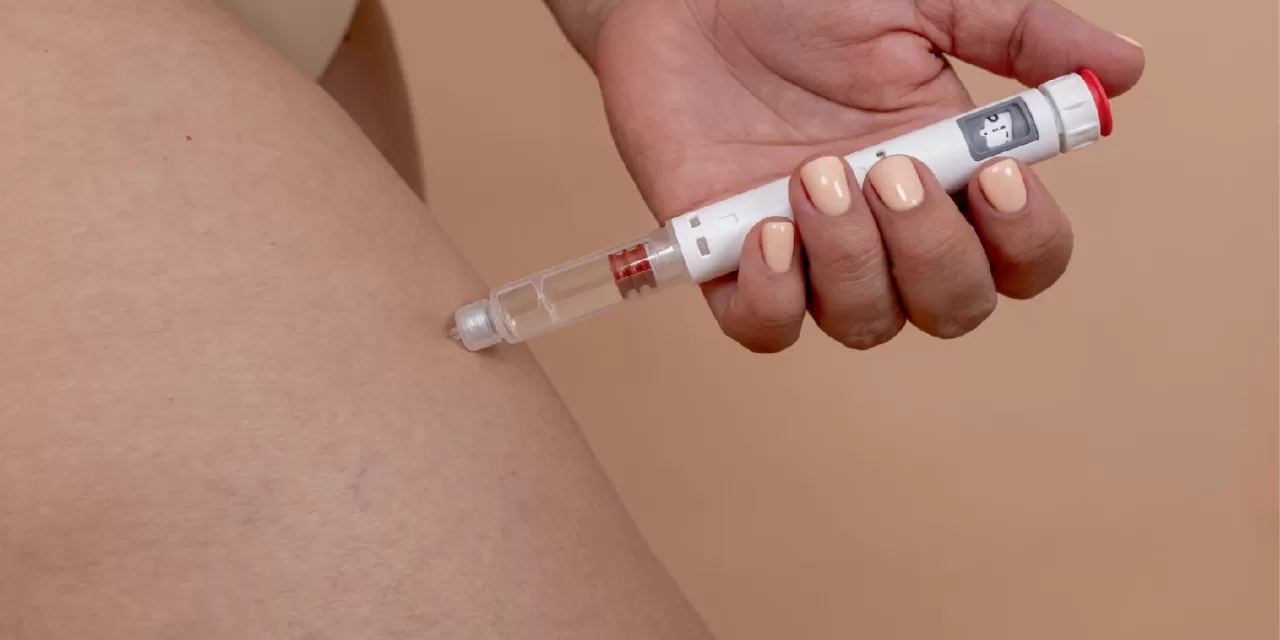
ATLANTA — Americans initiating prescription weight-loss treatment are increasingly bypassing the needle in favor of new oral GLP-1 medications from pharmaceutical giants Novo Nordisk and Eli Lilly. Driven by a combination of lower introductory costs, the ease of a daily pill, and a deep-seated “needle phobia” among the general public, these oral alternatives—Wegovy tablets and the newly approved Foundayo—are fundamentally reshaping the landscape of obesity care in the United States. As patients prioritize practicality alongside clinical efficacy, physicians report that the “pill vs. shot” debate has become the central conversation in metabolic health today.
The New Frontier: Oral GLP-1s Explained
For years, the gold standard for medical weight loss has been the weekly injection. However, the recent FDA approvals of oral formulations have introduced a significant shift. The two primary contenders are Novo Nordisk’s Wegovy pill (oral semaglutide) and Eli Lilly’s Foundayo (orforglipron).
Both medications belong to a class known as glucagon-like peptide-1 (GLP-1) receptor agonists. These drugs mimic a natural hormone produced in the gut that targets areas of the brain regulating appetite and food intake. By activating these receptors, the pills slow gastric emptying—making patients feel full longer—and improve blood-sugar regulation.
-
-
Foundayo (Eli Lilly): Approved by the FDA in early April 2026 as a once-daily pill for chronic weight management. It is indicated for adults with obesity or those who are overweight with at least one weight-related condition, such as hypertension.
-
Wegovy Tablet (Novo Nordisk): Available since January 2026, this oral version of semaglutide offers a needle-free alternative to the original injectable blockbuster.
-
Why Patients are Making the Switch
The migration from injections to oral medication is fueled by more than just medical preference; it is a matter of lifestyle and psychology. Dr. Christina Nguyen, an Atlanta-based obesity and family medicine physician, notes that the psychological barrier of self-injection remains the primary hurdle for many. “I’ve had patients tell me they’d rather stay fat than ever use a needle,” Dr. Nguyen told Reuters.
Beyond the “ick factor,” the practical advantages are numerous. Oral pills are:
-
Discreet: Easily taken at a restaurant or office without the need for a private space.
-
Portable: They do not require refrigeration, unlike many injectable pens, making them ideal for frequent travelers.
-
Simpler: They eliminate the need for “sharps” disposal containers and training on how to operate injection devices.
The Financial Factor
Cost remains the most aggressive driver of patient choice. At current market rates, starting doses for oral Wegovy and Foundayo list for approximately $149 per month for self-pay patients. In contrast, injectable Zepbound lists for roughly $299, while Ozempic and injectable Wegovy can reach $349 even at lower doses. While insurance coverage remains a patchwork, manufacturer coupons can sometimes drive out-of-pocket costs down to $25–$50 for eligible patients.
Clinical Efficacy: Comparing the Data
While convenience is high, there is a trade-off in “horsepower.” Clinical data suggests that while oral GLP-1s are highly effective, they generally yield slightly lower weight-loss percentages than their high-dose injectable counterparts.
| Medication | Average Weight Loss | Study Duration |
| Oral Wegovy (High Dose) | 16.6% | 64 Weeks |
| Foundayo (High Dose) | 12.4% | 72 Weeks |
| Injectable Wegovy/Zepbound | 15% – 20%+ | 60–72 Weeks |
Medical experts caution that these are not “head-to-head” comparisons from the same study, but rather results from independent Phase 3 trials. For many patients, losing 12-16% of their body weight is a life-changing result that outweighs the desire for the extra 4-5% offered by an injection.
The Physician’s Perspective: “Financial Planner” vs. Doctor
The influx of these medications has altered the daily reality for healthcare providers. Dr. Catherine Varney, an obesity medicine physician at the University of Virginia School of Medicine, describes her role as evolving into something more administrative.
“I feel more like a financial planner than a physician some days,” Dr. Varney said, highlighting the hours spent navigating insurance tiers, copay cards, and mail-order logistics. She emphasizes that while the lower price point is a step in the right direction, weight-loss therapy remains largely a “market for the upper-middle-class and above.”
Dr. Caroline Apovian, a professor at Harvard Medical School and a leading obesity expert, warns that even $150 to $350 monthly costs can be prohibitive. “Obesity is a chronic condition,” Dr. Apovian notes. “Most people need to stay on these medications for years, if not a lifetime, to maintain weight loss. That cumulative cost is a major public health barrier.”
Public Health Implications and the “Access Gap”
With the U.S. obesity rate hovering at 42%, the demand for these drugs is staggering. Yet, currently, only about 12% of eligible adults have tried a GLP-1 medication.
A potential turning point arrived recently when the Trump administration and pharmaceutical leaders reached a deal to cap Medicare out-of-pocket costs at $50 per month for certain GLP-1 products. This move could significantly increase uptake among the elderly, who are often at the highest risk for obesity-related complications like Type 2 diabetes and heart disease.
However, the rapid expansion of the market raises concerns about:
-
Equity: Ensuring rural and lower-income populations aren’t left behind.
-
Long-term Dependence: The medical community is still grappling with how to manage patients who may need these drugs for decades.
-
Insurance Strain: The sheer volume of prescriptions could put unprecedented pressure on private and public insurance systems.
Limitations and Safety Considerations
No “miracle pill” comes without caveats. Physicians stress that oral GLP-1s are a tool, not a cure-all.
-
Gastrointestinal Side Effects: Nausea, diarrhea, and vomiting are common, especially during the “titration” phase (when the dose is being increased). These symptoms are the leading cause of treatment discontinuation.
-
The “Rebound” Effect: Clinical studies show that once the medication is stopped, many patients experience “weight regain,” as the hormonal suppression of appetite disappears.
-
Safety Data: While the GLP-1 class has been used for diabetes for nearly two decades, the use of high-dose oral versions in “otherwise healthy” adults lacks 10-to-15-year longitudinal safety data.
Medical professionals reiterate that lifestyle modifications—including protein-rich diets, resistance training to prevent muscle loss, and behavioral counseling—must remain the foundation of any weight-loss journey.
Summary for Patients
If you are considering a transition from an injection to a pill, or starting for the first time, keep the following in mind:
-
Discussion is key: Talk to your doctor about your specific health history, especially if you have a history of thyroid or gastrointestinal issues.
-
Manage expectations: You may see slightly slower results with a pill than with the highest-dose injections.
-
Cost check: Verify your specific insurance formulary. A “list price” is rarely what a patient pays, but “coverage” does not always mean “affordable.”
-
Lifestyle still matters: A pill cannot replace the cardiovascular benefits of exercise or the nutritional necessity of a balanced diet.
Medical Disclaimer: This article is for informational purposes only and should not be considered medical advice. Always consult with qualified healthcare professionals before making any health-related decisions or changes to your treatment plan. The information presented here is based on current research and expert opinions, which may evolve as new evidence emerges.
References
- https://www.reuters.com/business/healthcare-pharmaceuticals/americans-want-weight-loss-pills-cost-convenience-2026-04-06/