 0
0
 0
0
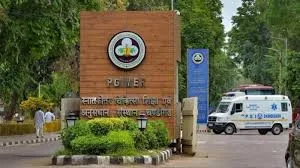
Chandigarh, January 11, 2026 – Resident doctors at the Postgraduate Institute of Medical Education and Research (PGIMER), one of India’s premier medical institutions, have raised serious allegations of rampant duty hour violations, claiming they endure 30-day continuous shifts without mandatory weekly offs. These practices, they assert, render National Medical Commission (NMC) guidelines “mere paper policies,” exacerbating fatigue and compromising healthcare delivery at a time when public health systems face mounting pressures.
Crisis in Duty Hours at PGI
Resident doctors at PGIMER Chandigarh report working grueling schedules that far exceed regulatory limits. According to their complaints, shifts stretch up to 30 consecutive days without the required one weekly off day, as mandated by NMC Postgraduate Medical Education Regulations, 2023. These norms stipulate a maximum of 96 hours of work per week, including one day off, to safeguard trainee well-being and patient safety.
The issue gained visibility through a detailed report highlighting firsthand accounts from residents across departments. Doctors describe 24-36 hour continuous duties followed by minimal rest, leading to chronic sleep deprivation. One anonymous resident stated, “We operate on autopilot; patient errors are inevitable under such duress.” This situation mirrors broader challenges in India’s postgraduate medical training, where high patient volumes at tertiary centers like PGIMER amplify workload pressures.
Regulatory Framework and Violations
The NMC guidelines aim to align Indian standards with global benchmarks, such as the European Union’s 48-hour workweek cap for residents. In India, the 96-hour weekly limit includes duty hours plus on-call time, with explicit provisions for weekly rest. However, enforcement remains inconsistent, particularly in overburdened public institutions.
PGIMER, handling over 10,000 outpatients daily and performing thousands of surgeries weekly, operates under extreme capacity constraints. Statistics from the institute indicate a resident-to-patient ratio strained by its status as a referral hub for northern India. Critics argue that administrative indifference perpetuates these violations, with duty rosters often manipulated to meet service demands rather than compliance needs.
Expert Commentary on the Implications
Dr. Rishi Kumar, a senior cardiologist at AIIMS New Delhi not involved in the PGIMER matter, emphasized the risks: “Prolonged duty hours impair cognitive function equivalent to alcohol intoxication after 24 hours awake. This directly threatens patient outcomes, from misdiagnoses to procedural errors.” Kumar references studies like the 2003 Libby Zion case in the US, which spurred duty hour reforms after linking resident fatigue to fatalities.
Dr. Priya Sharma, public health expert at the Indian Institute of Public Health, added, “Burnout rates among Indian residents exceed 70%, per surveys by the Indian Medical Association. Without intervention, we risk a doctor exodus, worsening India’s healthcare worker shortage of over 2 million.” These perspectives underscore how such practices erode training quality and professional sustainability.
Public Health Ramifications
The fallout extends beyond PGIMER to national healthcare. Fatigued residents, who form the backbone of hospital staffing, contribute to medical errors estimated at 5.2 million annually in India by WHO data. In high-stakes environments like ICUs and emergency wards, sleep-deprived decisions can escalate minor issues into crises, disproportionately affecting vulnerable populations in Punjab and neighboring states.
Moreover, this crisis hampers medical education. Residents miss reflective learning opportunities, stunting skill development in an era demanding precision in areas like oncology and critical care. For health-conscious consumers, it signals systemic vulnerabilities: timely access to care at flagship institutes like PGIMER could falter, prompting reliance on costlier private alternatives.
Institutional Response and Challenges
PGIMER officials have acknowledged the concerns but cite infrastructural limitations. Director Dr. Vivek Lal noted in prior statements that recruitment drives aim to bolster staffing, yet a 20% vacancy rate persists. The institute plans staggered duty adjustments, but residents demand immediate audits and NMC oversight.
Counterarguments highlight the reality of public sector medicine: India’s doctor-patient ratio of 1:1,456 falls short of WHO’s 1:1,000 ideal. Some administrators argue flexible norms are necessary for service continuity, though evidence from duty hour reforms in the US and UK shows reduced errors without care disruptions.
Limitations include self-reported allegations, potentially skewed by ongoing stipend disputes. Independent verification through NMC inspections is crucial, as is addressing root causes like faculty shortages and funding gaps.
Pathways Forward for Reform
Sustainable solutions demand multi-stakeholder action. Strengthening NMC enforcement via digital duty logging, incentivizing rural postings to ease urban loads, and integrating AI for triage could alleviate pressures. Professional bodies like the Resident Doctors Association urge policy advocacy, including legal caps on consecutive duties.
For readers, this underscores the value of supporting public health investments. Choosing hospitals with transparent staffing data and advocating for doctor welfare enhances system resilience. Healthcare professionals should prioritize self-care reporting mechanisms, while patients benefit from understanding these dynamics for realistic expectations.
Medical Disclaimer
Medical Disclaimer: This article is for informational purposes only and should not be considered medical advice. Always consult with qualified healthcare professionals before making any health-related decisions or changes to your treatment plan. The information presented here is based on current research and expert opinions, which may evolve as new evidence emerges.
References
-
Medical Dialogues. “30-day stretches, no weekly off: PGI Chandigarh resident doctors allege duty hour norms exist only on paper.” January 2026. https://medicaldialogues.in/news/health/doctors/30-day-stretches-no-weekly-off-pgi-chandigarh-resident-doctors-allege-duty-hour-norms-exist-only-on-paper-162402 [ from initial context].