 0
0
 0
0
BENGALURU — Parkinson’s disease in India may be quietly shaped by a distinct, “overlooked” genetic variant that appears to trigger more severe brain-cell damage than mutations widely studied in Western populations. According to new research from the National Institute of Mental Health and Neurosciences (NIMHANS), the LRRK2-linked I1371V variant, found more frequently in people of Indian and East Asian origin, significantly impairs astrocytes—the brain’s essential support cells. This disruption in energy metabolism and cellular maintenance may worsen the clinical course of the disease for millions in the region, marking a critical shift in how the condition is understood and treated in South Asia.
The Hidden Engine of Neurodegeneration
For decades, the global gold standard for Parkinson’s genetic research has focused on the G2019S mutation, prevalent in European and Ashkenazi Jewish cohorts. However, the NIMHANS study reveals that the I1371V variant, located in the GTPase domain of the LRRK2 gene, may be a more potent driver of disease in the Indian context.
Using induced pluripotent stem cells (iPSCs) derived from Indian Parkinson’s patients, researchers observed that I1371V-bearing astrocytes—cells responsible for “cleaning” and “feeding” neurons—exhibit marked dysfunction. These cells showed:
-
Reduced glucose uptake: Leading to a state of chronic energy depletion in the brain.
-
Organellar dysfunction: Abnormalities in the mitochondria (power plants) and lysosomes (waste disposal) of the cells.
-
Protein buildup: Increased levels of $\alpha$-synuclein, the toxic protein hallmark of Parkinson’s pathology.
The study found that these cellular defects were often more pronounced than those caused by the G2019S mutation. Furthermore, dopaminergic neurons derived from these patient cells showed impaired synaptic connectivity, suggesting that the “wiring” of the brain fails more rapidly in carriers of this specific variant.
Why This Variant Remained “Overlooked”
The historical bias in genomic medicine has left a significant gap in our understanding of non-Western populations. Because I1371V is rare in European populations, it has often been categorized as a “variant of uncertain significance” (VUS) in international databases.
“We are learning that Parkinson’s in India is not a mirror of the European picture,” says Dr. Anil Kumar, a molecular neuroscientist who studies neurodegeneration in Indian cohorts but was not involved in the NIMHANS study. “Variants like I1371V, PRKN, and GBA1 create a risk profile unique to this population. If we ignore them, our genetic counseling and precision-medicine trials will remain biased against Indian patients.”
A 2025 review of the Indian “genetic sketch” indicates that while up to 15–20% of early-onset Parkinson’s cases in India carry rare genetic variants, many remain uncharacterized. The NIMHANS team argues that I1371V should no longer be viewed as a secondary mutation but as a primary clinical marker for patients with familial or early-onset symptoms.
Clinical Implications: Faster Progression?
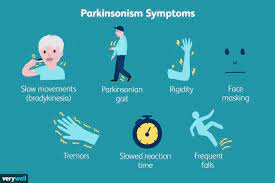
At the bedside, the biological aggression seen in the lab appears to translate into swifter symptom onset. Clinicians have noted that Indian-origin patients with the I1371V mutation often present with symptoms before the age of 50 and may experience a more rapid decline in motor functions like balance and gait.
Dr. Reena Mehra, a neurologist at a tertiary hospital in North India, notes the real-world impact: “In my clinic, patients with LRRK2-related Parkinson’s often have a strong family history and progress faster than sporadic cases. The NIMHANS data suggest that this mutation isn’t just a marker; it is a driver of energy failure in the brain.”
Despite the aggressive nature of this variant, there is a silver lining: I1371V-linked Parkinson’s remains responsive to standard therapies such as Levodopa. However, the window for effective intervention may be narrower, necessitating earlier referral to specialized movement-disorder clinics and more intensive physical therapy.
Public Health Challenges and Limitations
The study arrives as India faces a projected surge in Parkinson’s cases over the next decade. If variants like I1371V continue to be excluded from routine genetic panels, thousands of patients may be mislabeled as having “sporadic” (random) Parkinson’s when they actually carry a definable, inherited risk.
However, researchers urge caution. Not everyone with the I1371V variant will develop Parkinson’s. Genetic risk is a “probabilistic” rather than a “deterministic” factor.
-
Study Size: Most data currently come from urban tertiary centers; more work is needed to understand the prevalence in rural and tribal populations.
-
Environmental Factors: Lifestyle, diet, and exposure to pesticides likely play a role in whether the “genetic trigger” is pulled.
-
Experimental Stage: While the iPSC models are groundbreaking, they are laboratory simulations. Longitudinal studies following patients over years are still underway to confirm the exact rate of progression.
What This Means for You
For the health-conscious consumer, the takeaway is not fear, but proactive management.
-
Risk Assessment: If you have a family history of Parkinson’s or notice early tremors or stiffness (especially before age 50), consult a neurologist about comprehensive genetic screening that includes the I1371V variant.
-
Lifestyle as Medicine: Evidence suggests that aerobic exercise and managing vascular risks—such as hypertension and diabetes—can modulate how genetic risks translate into disability.
-
Metabolic Support: The discovery of glucose metabolism issues in astrocytes opens new doors for future research into nutritional strategies, though these are currently investigational.
As genomic medicine moves toward a more inclusive future, the “overlooked” mutations of today may become the primary targets for the precision cures of tomorrow.
References
-
Singh, K., et al. (2026). “Membrane Dysfunction as a Central Mechanism in LRRK2-Associated Parkinson’s Disease: Comparative Analysis of G2019S and I1371V Variants.” Frontiers in Molecular Neuroscience.
-
NIMHANS (2026). “LRRK2 I1371V Impairs Astrocytic Glucose Metabolism and Triggers Multi-Organellar Dysfunction.” Preprint on bioRxiv.
Medical Disclaimer: This article is for informational purposes only and should not be considered medical advice. Always consult with qualified healthcare professionals before making any health-related decisions or changes to your treatment plan. The information presented here is based on current research and expert opinions, which may evolve as new evidence emerges.