 0
0
 0
0
BUNIA, DEMOCRATIC REPUBLIC OF THE CONGO — A fast-moving outbreak of Ebola virus disease in the eastern Democratic Republic of the Congo (DRC) is outpacing international containment efforts, fueled by a dangerous breakdown in contact tracing. The World Health Organization (WHO) issued a stark warning this week, revealing that at least 80% of newly detected cases are emerging from entirely unknown chains of transmission.
Official government data released on July 15, 2026, paints a sobering picture of the crisis: confirmed cases have climbed to 2,011, with the death toll rising to 754. Frontline responders face a perfect storm of armed conflict, massive population displacement, and severe labor unrest within local health facilities, raising fears that the virus is spreading silently through community networks well beyond the reach of surveillance teams.
The Silent Spread: Why Tracking is Failing
The hallmark of successful outbreak control is comprehensive contact tracing—identifying every person exposed to an infected individual and monitoring them for symptoms. However, health workers in the hardest-hit areas are effectively fighting in the dark.
According to Dr. Chikwe Ihekweazu, the WHO’s emergencies chief, a high proportion of recently reported deaths are occurring directly within communities rather than in specialized treatment centers. This means individuals are falling ill, dying, and potentially exposing loved ones without ever entering the formal healthcare system. Furthermore, epidemiological teams have still not identified “patient zero,” the initial source of the outbreak.
The operational math of containment illustrates the gravity of the shortfall:
-
Current Follow-Up Rate: The DRC Ministry of Health reports that teams are currently tracing roughly 67% of exposed contacts.
-
Historical Lows: In early June, tracking efficiency plummeted to just 45% in certain high-conflict zones.
-
The Target: The WHO maintains that contact tracing must consistently exceed 90% to successfully disrupt transmission chains and suppress an outbreak.
Compounding these logistical failures is the region’s intense instability. Armed conflict has forced thousands of civilians into crowded displacement camps, while fluid population movements linked to artisanal mining sectors allow the virus to travel undetected across provincial borders.
Frontline Logistics and Health Workers Under Strain
Even when patients do reach medical facilities, the institutional infrastructure is fracturing. Medical staff at Bunia General Hospital recently went on strike over unpaid salaries and missing hazard bonuses. This labor stoppage has critically undermined infection prevention measures at a time when hospitals can least afford it.
The stakes for frontline staff are exceptionally high. The WHO has confirmed that more than 100 healthcare workers have contracted Ebola since the outbreak began in May. When protective equipment supplies delay, or when compensation disputes disrupt staffing schedules, the barrier between medical professionals and a highly infectious disease erodes.
A Different Threat: The Bundibugyo Strain
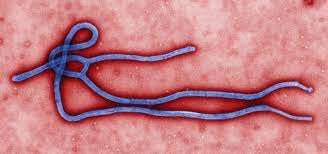
Public health officials emphasize that this is not a repeat of recent epidemics. The current crisis, first confirmed in Ituri province, is caused by the rare Bundibugyo species of the Ebola virus.
Unlike the more common Zaire strain—which was successfully combated in past outbreaks using highly effective tools like the Ervebo vaccine and targeted monoclonal antibody therapies—the Bundibugyo strain has no licensed vaccine or approved specific treatment.
Ebola Species Comparison:
-----------------------------------------------------------------
Strain:          Zaire ebolavirus       Bundibugyo ebolavirus
Vaccine:         Licensed (Ervebo)      None Licensed (Trials Begin)
Therapies:       Approved Monoclonals   Supportive Care Only
-----------------------------------------------------------------
While clinical trials for candidate therapies and experimental vaccines are urgently being initiated, patients currently rely primarily on aggressive supportive care, including intravenous fluids, electrolyte balancing, and symptomatic treatment. Data from past outbreaks indicate that early supportive care significantly increases survival rates, making rapid referral to a health facility crucial.
Global Risk and Public Health Implications
The WHO designated the event a Public Health Emergency of International Concern (PHEIC) due to the high risk of regional spillover and the immense difficulty of tracking community transmission. Despite the international alert, global health agencies are urging measured, evidence-based responses rather than panic.
According to guidelines from the Centers for Disease Control and Prevention (CDC), Ebola is not an airborne pathogen. It cannot spread through water, air, or casual social contact. Instead, transmission requires direct contact with the bodily fluids (such as blood, vomit, or sweat) of an individual who is actively symptomatic or has died from the disease, or through contaminated objects like needles. Symptoms typically manifest anywhere from 2 to 21 days after exposure, characteristically beginning with sudden fever, intense weakness, muscle pain, and sore throat, followed by vomiting, diarrhea, and in some cases, internal and external bleeding.
Independent public health experts stress that blanket travel bans or border closures are counterproductive. History shows such measures disrupt vital medical supply chains, restrict the movement of international specialists, and incentivize travelers to use unmonitored border crossings, ultimately accelerating global risk rather than containing it.
Looking Forward: Trust as a Medicine
“Outbreak control relies on a foundation of logistics, security, and above all, community trust,” says Dr. Aruna Abedi, an independent infectious disease epidemiologist not involved in the current response. “When medical teams cannot safely enter a village due to conflict, or when community members hide illness out of fear or misinformation, the virus wins the race. Science gives us the medical protocols, but local trust provides the access needed to implement them.”
For health-conscious consumers globally, the immediate risk remains very low, but the situation serves as a critical reminder of how local health infrastructure impacts global health security. Containment in the DRC will require stabilizing the frontline workforce, protecting health facilities from local conflict, and deploying intensive community engagement to bring the 80% of untracked transmission chains back into the light.
References
Study & Epidemiological Citations
- https://health.economictimes.indiatimes.com/news/industry/majority-of-new-ebola-cases-in-eastern-congo-are-from-unknown-chains-as-outbreak-outpaces-response/132408278?utm_source=latest_news&utm_medium=homepage
Medical Disclaimer: This article is for informational purposes only and should not be considered medical advice. Always consult with qualified healthcare professionals before making any health-related decisions or changes to your treatment plan. The information presented here is based on current research and expert opinions, which may evolve as new evidence emerges.