 0
0
 0
0
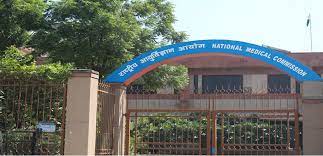
SANGAREDDY, TELANGANA — The National Medical Commission (NMC), India’s top medical regulatory body, has launched a formal inquiry into MNR Medical College following serious allegations of “illegal stipend recovery.” Postgraduate (PG) medical residents at the institution claim they are being coerced into withdrawing cash from their bank accounts and returning a significant portion of their stipends to the college administration.
In a strongly worded notice issued this week, the NMC directed the college to provide comprehensive proof of stipend disbursements, including bank statements, within seven days. The Commission warned that substantiated claims of financial exploitation could lead to “penal action,” including heavy fines or a reduction in student intake capacity.
The Allegations: “One Hand Giveth, the Other Taketh Away”
The controversy centers on a sophisticated alleged scheme where the college dictates the financial lives of its trainees. According to student complaints and local media reports, PG residents are reportedly required to open salary accounts at specific bank branches chosen by the college management.
While the full stipend amount—mandated by the government to compensate for intensive clinical work—is credited to these accounts to maintain a “clean” digital paper trail, the recovery happens behind closed doors. Students allege they are summoned to the administration office and instructed to withdraw large sums of cash to be handed back to the college.
The justifications provided by the administration for these cash recoveries range from vague “bank-related charges” to “administrative fees.” Affected trainees describe the environment as one of high-pressure coercion, where those who hesitate to comply face threats regarding their academic progression or clinical standing.
NMC’s Regulatory Crackdown
The NMC’s intervention is part of an escalating effort to enforce transparency in medical education financing. Under the current directive, MNR Medical College must:
-
Submit verified bank statements for all PG residents covering the current academic year.
-
Identify the individuals responsible for fund disbursement and their specific roles.
-
Provide a written justification for the alleged recoveries within the one-week deadline.
This move follows a period of intense scrutiny from the Supreme Court of India, which has recently criticized the NMC for being “sluggish” in protecting the financial rights of junior doctors. In early 2026, the regulator took the unprecedented step of imposing ₹1 crore (10 million INR) penalties on seven other medical colleges for failing to disclose stipend data.
A Systemic Issue: The Data Mismatch
The MNR case highlights a growing divide between what medical colleges report on paper and what trainees actually receive. Data from the Combined Association of Medicos and Parents (CAMP) suggests that while many colleges claim 100% compliance in NMC portals, thousands of doctors nationwide are either unpaid or underpaid through “clawback” schemes.
National Stipend Compliance Trends (Early 2026 Estimates)
| Category | Estimated Number of Affected Trainees | Primary Issue |
| Non-Payment | 2,000+ | No stipend credited despite full-time clinical work |
| Partial Recovery | 1,200+ | Stipend paid digitally but partially returned in cash |
| Delayed Payment | 3,500+ | Payments lagging 3–6 months behind schedule |
Dr. Rajesh Aravind, Secretary of CAMP, notes that these practices create a “false sense of compliance” that can mislead regulators. “When a college forces a student to sign a blank cheque or return cash, it isn’t just a financial dispute; it’s a violation of the student’s professional dignity,” Aravind stated in a recent briefing.
Expert Perspectives: The Cost of “Invisible” Labour
Medical education experts argue that stipends are essential for the health of the medical system itself. PG residents often work 12- to 16-hour shifts, serving as the backbone of clinical care in teaching hospitals.
“Stipends are not a gift; they are compensation for essential services,” says a health policy advocate familiar with the Telangana medical landscape. “When you effectively convert mandatory training into unpaid labor, you increase burnout and financial stress, which directly impacts the quality of patient care.”
Furthermore, many PG students carry significant debt from their undergraduate (MBBS) years. The illegal recovery of stipends can push these young doctors into a cycle of financial instability, potentially deterring talented individuals from pursuing specialized medical training.
Institutional Defenses and Counter-Arguments
While MNR Medical College has yet to release an official public rebuttal to the latest NMC notice, the broader private medical sector often cites high operational costs as a pressure point. Some institutions argue that “administrative charges” are necessary to maintain infrastructure in the face of fluctuating patient volumes.
However, legal experts warn that these arguments hold little weight in court. “Any deduction from a stipend must be transparent, pre-disclosed, and justified under specific labor or education norms,” says a legal consultant specializing in medical law. “Ad-hoc cash recoveries, especially when involving coercion, can move from administrative lapses into the realm of criminal extortion.”
Guidance for Trainees and Institutions
The NMC probe serves as a signal for both students and medical institutions to re-evaluate their financial practices.
For Medical Trainees:
-
Document Everything: Keep records of all communications regarding stipends and any “requests” for cash returns.
-
Verify Net Income: Prior to joining a program, consult with current seniors about the “net-in-hand” stipend rather than the gross amount listed in brochures.
-
Report Irregularities: Use the NMC’s grievance portal or contact state medical councils if faced with intimidation.
For Medical Institutions:
-
Audit Internal Finances: Ensure that all stipend-related transactions are transparent and that no “informal” recovery systems are being operated by sub-departments.
-
Publish Policies: Clearly state any legitimate deductions on the institutional website as per the July 2025 NMC mandate.
Looking Forward
The outcome of the MNR Medical College inquiry is expected to set a major precedent. If the NMC follows through with strict penal action, it may finally signal the end of the “cash-back” era in private medical education. For the thousands of PG residents watching the case, the hope is that the regulator will move from symbolic notices to “muscular” enforcement that ensures fair pay for their grueling work.
Medical Disclaimer: This article is for informational purposes only and should not be considered medical advice. Always consult with qualified healthcare professionals before making any health-related decisions or changes to your treatment plan. The information presented here is based on current research and expert opinions, which may evolve as new evidence emerges.
Reference Section
-
Media Report: The Hans India, “NMC directs action against MNR Medical College over illegal stipend recovery”, April 23, 2026.