 0
0
 0
0
New Delhi | April 25, 2026
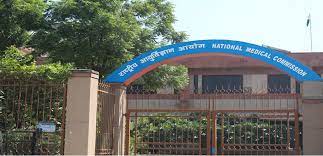
In an unprecedented move to fortify the “sanctity and integrity” of India’s largest medical entrance examination, the National Medical Commission (NMC) has issued a nationwide directive prohibiting medical colleges from granting leave to students on May 2 and 3, 2026. The order, aligned with mandates from the Ministry of Education, comes just 48 hours before millions of aspirants sit for the National Eligibility cum Entrance Test (Undergraduate) or NEET-UG 2026.
The directive aims to curb potential malpractice by ensuring the physical presence of the current medical student body on their respective campuses, thereby acting as a deterrent against involvement in exam-related irregularities.
Safeguarding the Gateway to Medicine
The NMC’s public notice, released on April 23, 2026, serves as a preemptive strike against the shadow of exam malpractice that has loomed over previous cycles. By restricting leave on the Saturday and Sunday surrounding the exam, the commission intends to minimize the risk of “impersonation syndicates” or the unauthorized movement of students who might be recruited to assist in unfair practices.
The Scope of the Order
-
Applicability: All government and private medical colleges, dental colleges, and institutions offering allied health sciences (including AYUSH and BSc Nursing).
-
The Restriction: No student is to be granted leave except in “exceptional circumstances” with documented justification.
-
The Goal: To prevent the misuse of student absence for activities prejudicial to the conduct of NEET-UG.
“The integrity of NEET-UG is paramount not just for fairness, but for the future quality of India’s healthcare workforce,” says Dr. Ramesh Sharma, a veteran medical educator and policy observer. “When the public loses trust in how doctors are selected, it erodes trust in the profession itself.”
Rationale: Learning from the Past
The decision is rooted in a history of logistical vulnerabilities. In recent years, investigations into paper leaks and “solver gangs” have occasionally found links to current medical students—individuals who have already mastered the exam content and are sometimes targeted by illicit networks to provide answer keys or occupy seats for proxy candidates.
By enforcing a “on-campus” status, the NMC and the Department of Higher Education (DHE) hope to create a “general deterrence.” The logic is simple: if students are accounted for within their institutions, the pool of potential facilitators for exam-day fraud is significantly reduced.
Institutional Vigilance and Student Welfare
The directive places a heavy burden of responsibility on college deans and principals. Institutions are not only required to monitor attendance but are also tasked with “sensitizing” students to the legal and ethical consequences of participating in exam fraud.
However, the move has not been without pushback. The All India Medical Students’ Association (AIMSA) has voiced concerns regarding the rigidity of the mandate. A spokesperson for the association noted that while the intent is noble, the implementation must remain humane.
“We support a fair exam, but ‘exceptional circumstances’ must be interpreted with empathy. A student facing a family bereavement or a personal health crisis should not be treated as a suspect by default,” the spokesperson stated.
Potential Impacts on Mental Health
Psychologists specializing in student welfare have pointed out that the medical academic environment is already high-pressure. Adding restrictive movement policies can inadvertently increase stress levels. Experts suggest that colleges should pair these security measures with open communication and counseling to ensure students don’t feel “policed” during their regular course of study.
What This Means for Aspirants and Parents
For the nearly 2.5 million aspirants set to appear for the pen-and-paper test on May 3, this directive serves as a reassurance of a level playing field. For parents, it underscores a tightening of the regulatory net.
Practical Takeaways for Families:
-
Heightened Security: Expect rigorous frisking and biometric checks at centers, mirroring the strictness seen at the institutional level.
-
Avoid Misinformation: The NMC warns against “guaranteed-score” offers or coaching centers claiming to have inside information.
-
A Focus on Ethics: The directive highlights that the medical journey begins with integrity long before the first lecture.
Limitations and the Path Forward
While the leave bar addresses one specific vulnerability, critics argue it is a “band-aid solution” for deeper systemic issues.
“Restricting student movement is a deterrent, but it doesn’t solve the problem of secure transport for question papers or the digital security of the database,” notes an educational consultant. There is a consensus among experts that while this measure is a necessary step for 2026, the long-term solution lies in technological upgrades to the examination infrastructure, such as multi-stage encrypted digital delivery of papers.
As the country prepares for May 3, the medical community remains under a watchful eye, balancing the need for security with the rights of its current and future students.
Statistical Overview: NEET-UG 2026 at a Glance
| Category | Estimated Figures |
| Total Applicants | ~2.4 – 2.6 Million |
| Examination Format | Pen-and-Paper (OMR) |
| Participating Institutions | 700+ Medical Colleges |
| Courses Covered | MBBS, BDS, BAMS, BHMS, BSc Nursing |
Medical Disclaimer: This article is for informational purposes only and should not be considered medical advice. Always consult with qualified healthcare professionals before making any health-related decisions or changes to your treatment plan. The information presented here is based on current research and expert opinions, which may evolve as new evidence emerges.
References
-
National Medical Commission (NMC). (2026, April 23). Public Notice: Leave restriction for medical students regarding NEET-UG 2026. * Ministry of Education, Department of Higher Education. (2026, April 20). Order No. 44-01/2026-U1A: Security protocols for national entrance exams.