 0
0
 0
0
GENEVA / ROME — Global hunger declined for a third consecutive year in 2025, providing a ray of hope for international public health and global development. However, significant regional disparities, geopolitical conflict, and persistent economic barriers continue to compromise nutrition and health outcomes for hundreds of millions of people worldwide.
According to The State of Food Security and Nutrition in the World 2026 (SOFI) report—jointly published on July 20, 2026, by five United Nations specialized agencies, including the Food and Agriculture Organization (FAO) and the World Health Organization (WHO)—an estimated 645 million people experienced hunger in 2025. Representing 7.8% of the global population, this reflects a drop from 8.1% in 2024 and 8.6% at its post-pandemic peak in 2022, marking a net reduction of 43 million undernourished people over three years.
Despite these macro-level gains, health authorities warn that progress remains deeply fragile, with Africa emerging as the world’s primary hunger hotspot while severe food crises remain heavily concentrated in conflict zones.
Global Trends Mask Deepening Regional Disparities
The global downward trajectory was primarily driven by steady economic recoveries, expanded social safety nets, and improved agricultural yields across Southern Asia and Latin America. In Latin America and the Caribbean, hunger prevalence fell to 4.8%. In Asia, home to nearly 60% of the world’s population, sustained government nutrition programs and targeted social welfare—particularly in India—helped push national hunger rates below 10%, reducing the continent’s total undernourished population to 292 million.
However, the “center of gravity” of global hunger has officially shifted to Africa.
┌────────────────────────────────────────────────────────────────────────┐
│                      2025 REGIONAL HUNGER BURDEN                       │
├──────────────────────────────┬───────────────────┬─────────────────────┤
│ Region                       │ Undernourished    │ Regional Share      │
├──────────────────────────────┼───────────────────┼─────────────────────┤
│ Africa                       │ 309 million       │ 20.0% of population │
│ Asia                         │ 292 million       │  6.3% of population │
│ Latin America & Caribbean    │  32 million       │  4.8% of population │
└──────────────────────────────┴───────────────────┴─────────────────────┘
Although Africa saw its hunger rate edge down slightly from 20.3% in 2024 to 20.0% in 2025—marking its first reduction in nearly a decade—rapid population growth means the absolute number of hungry people on the continent rose to 309 million. Today, Africa accounts for nearly half of the global population suffering from chronic caloric deficits.
“These numbers demonstrate that hunger is not inevitable; with strong economic policies, social protection, and targeted agricultural investments, we can bend the curve,” said FAO Director-General Qu Dongyu during the report launch in Rome. “However, in a world of overlapping shocks, progress cannot be taken for granted. It must be extended to everyone, everywhere.”
The Clinical and Human Cost of Food Insecurity
From a clinical perspective, food insecurity is a profound medical crisis rather than a simple supply issue. When access to calories and essential nutrients falls below minimum threshold levels, the body undergoes severe physiological strain.
Undernutrition suppresses immune function, drastically increasing vulnerability to infectious diseases such as tuberculosis, malaria, and diarrheal illnesses. In young children, chronic nutrient gaps lead to stunting (impaired linear growth and cognitive development) and wasting (life-threatening low weight-for-height). For pregnant women, caloric and micronutrient deficiencies heighten the risks of maternal anemia, pre-eclampsia, low birth weight, and neonatal mortality.
       ┌──────────────────────────────────────────────────────────┐
       │             THE CYCLE OF DIET INSECURITY                 │
       └────────────────────────────┬─────────────────────────────┘
                                    │
                                    ▼
       ┌──────────────────────────────────────────────────────────┐
       │   Unaffordable Healthy Diets ($4.28/day avg global)      │
       └────────────────────────────┬─────────────────────────────┘
                                    │
                                    ▼
       ┌──────────────────────────────────────────────────────────┐
       │ Reliance on Micronutrient-Poor, Energy-Dense Staple Foods │
       └────────────────────────────┬─────────────────────────────┘
                                    │
                                    ▼
       ┌──────────────────────────────────────────────────────────┐
       │  "Double Burden": Co-occurrence of Stunting & Obesity    │
       └──────────────────────────────────────────────────────────┘
Beyond chronic calorie hunger, the SOFI report highlights a broader nutrition crisis: 2.69 billion people—roughly one-third of humanity—remain unable to afford a healthy diet. The average global cost of a balanced diet surged to $4.28 per person per day in purchasing power terms, up from $3.44 in 2021, pricing nutrient-dense foods like fresh vegetables, fruits, legumes, dairy, and lean proteins out of reach for low-income households.
“Healthy diets should not be a luxury,” said WHO Director-General Dr. Tedros Adhanom Ghebreyesus. “They are the foundation of health, and they must be within everyone’s reach. When families are priced out of nutritious options, they are forced to rely on cheap, energy-dense, processed staples, driving a double burden of malnutrition where micronutrient deficiencies and diet-related non-communicable diseases coexist.”
Conflict and Climate Shocks: Drivers of Emergency Hunger
Public health experts emphasize that while macro trends show aggregate improvements, emergency or acute hunger remains sharply concentrated. Separate UN humanitarian tracking shows that approximately 266 million people across 47 countries faced high levels of acute food insecurity in 2025.
Crucially, two-thirds of the world’s most acutely hungry populations live in just 10 conflict-affected countries, including Sudan, Gaza, Yemen, the Democratic Republic of the Congo, and Somalia.
                                    ┌───────────────────────────────────┐
                                    │   GLOBAL FOOD CRISIS FACTORS      │
                                    └─────────────────┬─────────────────┘
                                                      │
         ┌────────────────────────────────────────────┼────────────────────────────────────────────┐
         │                                            │                                            │
         ▼                                            ▼                                            ▼
┌──────────────────┐                         ┌──────────────────┐                         ┌──────────────────┐
│  ACTIVE CONFLICT │                         │  CLIMATE EXTREMES│                         │ ECONOMIC STRESS  │
│ Disrupts supply  │                         │ Drought, floods, │                         │ Food inflation,  │
│ chains, blocks   │                         │ and El Niño      │                         │ reduced health   │
│ humanitarian aid │                         │ destroy crops    │                         │ budgets          │
└──────────────────┘                         └──────────────────┘                         └──────────────────┘
Dr. David Laborde, Director of the FAO’s Agri-food Economics Division, noted that while global food supply chains have shown resilience, humanitarian access in war zones remains a severe barrier. “We are not seeing the sweeping, continental famines of the 1980s because food systems adapt,” Laborde stated. “Failure occurs where conflict completely severs people from local markets and emergency medical relief.”
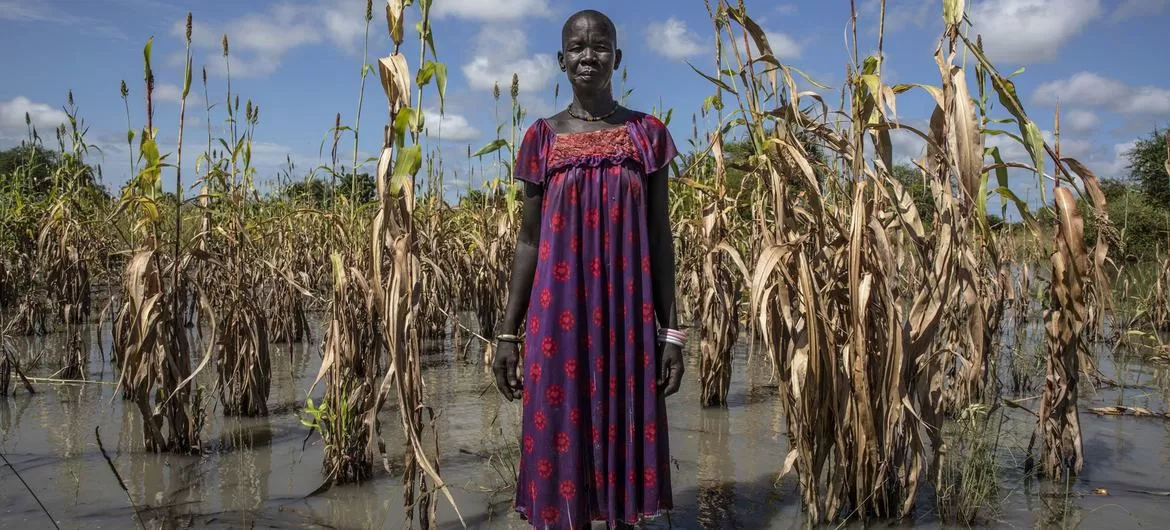
Additionally, climate shocks—including intense heatwaves and hydrological shifts tied to recent El Niño events—have severely disrupted subsistence farming across Sub-Saharan Africa and Central America, threatening to roll back recent gains.
Public Health Implications and Policy Roadmap
For healthcare systems and international donors, the findings reinforce that food security must be integrated directly into preventive medical care and emergency preparedness.
Medical researchers point out that addressing hunger requires moving beyond caloric sufficiency toward comprehensive nutritional security. Recommended priorities for governments and health organizations include:
-
Integrating Nutrition into Primary Care: Expanding routine screening for acute malnutrition, severe anemia, and childhood stunting in maternal-child health clinics, accompanied by therapeutic food distribution (such as Ready-to-Use Therapeutic Food, or RUTF).
-
Protecting Agricultural Supply Infrastructure: Investing in regional cold-chain systems, rural transport, and local storage to reduce post-harvest losses, which currently drive up the retail cost of perishable, nutrient-rich foods.
-
Scaling Targeted Social Safety Nets: Expanding school meal programs, cash transfers, and food assistance vouchers targeted at vulnerable maternal and pediatric demographics.
-
Safeguarding Humanitarian Access: Ensuring unhindered food and medical supply corridors in active conflict zones to prevent regional food shortages from escalating into clinical starvation crises.
Current projections indicate that without accelerated structural investments, roughly 510 to 520 million people will still suffer from chronic hunger in 2030—far missing the UN Sustainable Development Goal 2 (Zero Hunger) target.
References
- https://www.who.int/news/item/21-07-2026-un-report–global-hunger-levels-ease-for-third-consecutive-year-as-regional-disparities-persist
Medical Disclaimer: This article is for informational purposes only and should not be considered medical advice. Always consult with qualified healthcare professionals before making any health-related decisions or changes to your treatment plan. The information presented here is based on current research and expert opinions, which may evolve as new evidence emerges.