 0
0
 0
0
SAN FRANCISCO — A breakthrough in the treatment of severe autoimmune hair loss may be on the horizon. Recent results from a Phase 2b clinical trial (REZOLVE-AA) demonstrate that a novel drug, rezpegaldesleukin, significantly stimulates hair regrowth in adults suffering from severe to very severe alopecia areata. The study, conducted across research sites in the United States, Canada, and Poland, met its primary goals at the 36-week mark, offering a potential new lifeline for millions of individuals who have found little relief in existing therapies.
The Science of Hair and the Immune System
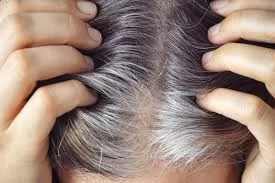
Alopecia areata is far more than “just hair loss.” It is a complex autoimmune disorder where the body’s immune system mistakenly identifies hair follicles as foreign invaders. This leads to patchy or total hair loss on the scalp, face, and body.
For many, the condition manifests as “severe” or “very severe,” categorized by a SALT (Severity of Alopecia Tool) score of 50 or higher—meaning at least 50% of the scalp is affected. While the physical symptoms are painless, the psychological impact is often profound. Studies suggest that 40% to 50% of patients with severe alopecia experience significant emotional distress, including anxiety and social withdrawal.
Limitations of Current Treatments
Until recently, treatment options were limited to steroid injections or broad immunosuppressants. While JAK inhibitors (such as baricitinib and ritlecitinib) have recently gained FDA approval and provided relief for many, they are not a universal solution. Some patients do not respond to these drugs, and others must avoid them due to “black box” warnings regarding potential risks of serious infections, blood clots, or cardiovascular events.
Inside the REZOLVE-AA Trial
The Phase 2b trial, known as REZOLVE-AA (NCT06340360), was a randomized, double-blind, placebo-controlled study. This “gold standard” design ensures that neither the participants nor the researchers know who is receiving the actual medication, eliminating bias.
Study Design
-
Participants: 92 adults (ages 18–60, and women up to 70) with at least 50% scalp hair loss.
-
Duration: Efficacy was measured at 36 weeks, with safety monitoring extending up to 81 weeks.
-
Dosing: Participants were randomized into three groups: a low-dose arm, a high-dose arm (24 µg/kg), and a placebo group. The medication was administered via subcutaneous injection every two weeks.
The researchers focused on the mean percent change in SALT score. To be included, patients must have had no spontaneous hair regrowth in the six months prior to the trial, ensuring that any improvements were likely due to the medication rather than a natural remission.
Key Findings: A Significant Step Forward
The high-dose rezpegaldesleukin group (24 µg/kg) showed a 28.2% mean reduction in SALT scores by week 36, compared to just 11.2% in the placebo group. When excluding four patients who were found to be ineligible after the study began, the mean reduction jumped to approximately 30%, achieving statistical significance ($p < 0.05$).
Beyond the averages, the clinical “wins” were even more apparent:
-
A higher proportion of patients reached the SALT50 and SALT75 thresholds (meaning 50% or 75% regrowth) compared to those on the placebo.
-
The drug appeared to be well-tolerated. Common side effects were similar to the placebo group, with most being mild injection-site reactions.
-
Notably, the trial did not reveal the systemic safety concerns often associated with JAK inhibitors.
How it Works: The “Treg” Connection
Unlike drugs that broadly suppress the immune system, rezpegaldesleukin is a pegylated recombinant human interleukin-2 (IL-2). It works by selectively expanding regulatory T-cells (Tregs).
“Think of Tregs as the ‘peacekeepers’ of the immune system,” says a dermatology researcher familiar with the study. “In alopecia areata, the peacekeepers are outnumbered. By boosting their numbers, we can potentially tell the immune system to stop attacking the hair follicles without leaving the rest of the body vulnerable to infection.”
Expert Perspectives
While not involved in this specific trial, Dr. Brett King, a leading dermatologist at Yale School of Medicine known for his work in hair loss, has emphasized the importance of diverse treatment mechanisms.
“New mechanisms like targeted immunomodulation could expand options beyond JAK inhibitors, improving response rates and safety,” King noted in recent discussions regarding the evolution of alopecia treatments.
However, medical experts urge cautious optimism. While Phase 2b results are a strong “proof-of-concept,” larger Phase 3 trials are necessary to confirm these results across a more diverse population and to monitor for long-term side effects or “immunogenicity”—where the body might eventually develop its own immune response against the drug.
Public Health and Daily Life
If rezpegaldesleukin clears the final regulatory hurdles, it could impact the lives of the estimated 6.8 million people in the United States living with alopecia areata.
For the average patient, this would mean a shift from daily oral pills to a twice-monthly injection. This could reduce the “pill burden” and eliminate the need for frequent blood monitoring often required with other systemic treatments. Furthermore, by providing a targeted approach, it may reduce the long-term need for corticosteroids, which are known to cause skin thinning and other metabolic issues.
Limitations and the Road Ahead
Despite the promising data, the study had its limitations:
-
Sample Size: With only 92 participants, the study is relatively small.
-
Diversity: More data is needed to see how the drug performs across different ethnic groups.
-
Exclusions: The trial excluded patients with “diffuse” hair loss and those who had previously failed on JAK inhibitors, leaving questions about how the drug performs in those specific populations.
Nektar Therapeutics, the sponsor of the trial, plans to move forward with Phase 3 trials. If these trials mirror the current success, the drug could potentially see a filing for FDA approval by 2028.
What Should Patients Do?
For now, rezpegaldesleukin remains an experimental therapy. Patients interested in the latest developments should:
-
Consult a Dermatologist: Discuss if you are a candidate for current FDA-approved JAK inhibitors.
-
Monitor Clinical Trials: Visit ClinicalTrials.gov to find upcoming Phase 3 enrollment opportunities.
-
Manage Expectations: Hair regrowth is a slow process; even in successful trials, it can take 6 to 12 months to see significant results.
Reference Section
- https://www.medscape.com/viewarticle/phase-2b-findings-support-novel-agent-treat-alopecia-areata-2026a1000aap
Medical Disclaimer: This article is for informational purposes only and should not be considered medical advice. Always consult with qualified healthcare professionals before making any health-related decisions or changes to your treatment plan. The information presented here is based on current research and expert opinions, which may evolve as new evidence emerges.