 0
0
 0
0
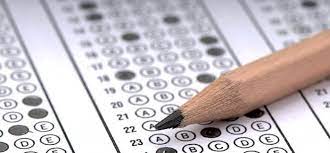
New Delhi, May 30, 2026 — A massive paper leak in India’s National Eligibility cum Entrance Test (NEET-UG) 2026 has triggered one of the largest academic scandals in the nation’s history, alongside a rapidly escalating public mental health crisis. Over 2.27 million aspiring medical students who sat for the high-stakes test on May 3 are now trapped in systemic gridlock and extreme psychological distress. Following rigorous investigative findings, the National Testing Agency (NTA) officially cancelled the exam on May 12, rescheduling it for June 21, 2026. As the Central Bureau of Investigation (CBI) broadens its criminal probe into an organized cheating syndicate, psychiatrists and public health experts are sounding alarms over the profound trauma inflicted upon the country’s future healthcare workforce.
The Scandal That Shook Medical Education
The nationwide cancellation came after Rajasthan Police’s Special Operations Group (SOG) and the CBI uncovered that approximately 120 out of 180 questions—primarily across the critical Chemistry and Biology sections—had been leaked online via WhatsApp and Telegram. Investigators traced the breach to an intricate network of insiders and coaching centers spanning Rajasthan, Maharashtra, and Haryana.
According to CBI court submissions, the syndicate involved academic figures like Pune-based botany professor Manisha Mandhare and retired Latur chemistry teacher PV Kulkarni, who allegedly exploited access to confidential question pools. Leaked handwritten “guess papers” were reportedly distributed to select students at specialized coaching hubs in Sikar and Latur just days before the exam, with families paying between ₹5 lakh and ₹10 lakh to middlemen.
NEET-UG 2026 Leak Profile:
├── Source: Paper-setting & academic insiders (Pune/Latur)
├── Leak Mechanism: Hand-written "guess paper" PDFs on WhatsApp/Telegram
├── Extent: ~120 out of 180 questions compromised (valued at ~600/720 marks)
└── Impact: 2.27 million students forced into a mandatory re-test
Prime Minister’s Direct Intervention & Legal Scrutiny
The scale of the institutional failure has drawn the attention of the highest levels of government. On May 29, 2026, the Centre filed a comprehensive affidavit with the Supreme Court, stating that Prime Minister Narendra Modi is personally supervising the preparation for the June 21 re-examination to ensure structural flaws are eliminated.
Solicitor General Tushar Mehta informed a Supreme Court bench led by Justice P.S. Narasimha that the rescheduled test will utilize radical security overhauls recommended by an expert panel under former ISRO Chairman Dr. K. Radhakrishnan. The updated protocol replaces standard paper serial codes with long, complex identifiers, mandates real-time AI-driven CCTV surveillance across 5,432 centers, and introduces extensive biometric authentication. Furthermore, Union Education Minister Dharmendra Pradhan acknowledged a “breach in the command chain” and announced that NEET-UG will permanently transition from a pen-and-paper format to a digital, Computer-Based Test (CBT) beginning in 2027.
The Hidden Mental Health Catastrophe
While the legal and political battles dominate news cycles, a severe psychological emergency is unfolding within households across India. The sudden cancellation of an exam that requires years of rigorous, 14-hour study days has broken the emotional resilience of young aspirants. Tragically, at least three student suicides have already been officially reported following the May 12 announcement, with families directly attributing the deaths to acute stress and sudden hopelessness.
Medical professionals not involved in the ongoing litigation emphasize that the psychological impact of repeated cancellations goes far beyond standard exam jitters.
“We are observing a massive influx of young students presenting with acute adjustment disorders, major depressive episodes, severe sleep deprivation, and panic attacks,” explains Dr. Binda Singh, a prominent clinical psychologist practicing in Patna, a major hub for medical aspirants. “These students have spent years in social isolation to prepare for a single afternoon. When that effort is invalidated by systemic corruption, it shatters their cognitive framework of fairness and merit.”
Dr. Santosh Kumar, Head of Psychiatry at the Nalanda Medical College and Hospital (NMCH), warns that the chronic uncertainty between May 12 and the June 21 re-test poses dangerous long-term public health risks. “When a young mind is subjected to prolonged, high-cortisol stress states without a clear resolution, it can trigger long-term generalized anxiety disorders and clinical depression that could derail their medical careers before they even begin,” Dr. Kumar notes.
A Pre-Existing Systemic Vulnerability
This crisis highlights a deeply entrenched mental health vulnerability within India’s hyper-competitive education sectors.
| Metric | India | Developed Countries (Avg) |
| Psychiatrists per 100,000 People | 0.3 | 6.6 |
| Clinical Psychologists per 100,000 | 0.07 | Variable (Significantly Higher) |
| Daily Study Hours in Coaching Hubs | 6–7 hours (Excluding school) | N/A |
Data from the National Crime Records Bureau (NCRB) reveals that student suicides remain a tragic systemic challenge, with over 13,000 student deaths reported in recent years—many directly tied to examination strain. A sociological study conducted by Lokniti-CSDS in the coaching hub of Kota highlighted that over 85% of competitive exam aspirants experience prolonged academic burnout, with over 80% reporting zero designated time for peer interaction or physical rest. This high-pressure baseline means that macro-shocks, like a national exam cancellation, push highly vulnerable students directly into acute mental health crises.
Practical Guidance for Families and Aspirants
As the June 21 re-examination approaches, health authorities and medical bodies are urging families to pivot from purely academic pressure to active psychological support.
-
Utilize Dedicated Hotlines: The Ministry of Health, in tandem with educational boards, has reinforced a 24/7 toll-free mental health helpline specifically staffed with counselors trained in academic trauma.
-
Identify Red Flags Early: Parents and guardians must monitor students closely for critical behavioral indicators. These include sudden withdrawal from family interactions, acute insomnia or erratic sleep cycles, uncharacteristic irritability, and statements reflecting deep hopelessness.
-
De-escalate Performance Demands: Clinical experts advise parents to explicitly reassure children that their self-worth is entirely separate from institutional failures. “Families must minimize performance pressure during this interim period,” advises Dr. Binda Singh. “Reassure them that the leak is a systemic failure, not a personal one.”
-
Incorporate Mandatory Cognitive Rest: Aspirants are encouraged to break up their revised study blocks with brief, non-academic intervals to prevent complete cognitive exhaustion before hitting the exam halls again.
Limitations and Future Outlook
Public health advocates note that while the implementation of the Public Examinations (Prevention of Unfair Means) Act provides strict legal penalties for paper leaks, it does not address the underlying systemic issue: the extreme scarcity of medical seats relative to the massive volume of applicants. The Federation of All India Medical Associations (FAIMA) has petitioned the Supreme Court for continuous judicial oversight of the upcoming re-test, arguing that without a fully independent cyber-security audit, student anxiety cannot be fully mitigated.
The CBI’s investigation remains ongoing, with forensic evaluations of seized electronic assets and financial trails expected to continue into July. Until structural equity and scalable mental health infrastructure are introduced to balance India’s competitive exam ecosystem, the minds of its future doctors remain acutely vulnerable to the fractures of the system they are trying to enter.
References
https://medicaldialogues.in/news/education/pm-modi-personally-supervising-so-there-is-no-lacunae-centre-tells-sc-in-neet-2026-paper-leak-matter-171626
Medical Disclaimer: This article is for informational purposes only and should not be considered medical advice. Always consult with qualified healthcare professionals before making any health-related decisions or changes to your treatment plan. The information presented here is based on current research and expert opinions, which may evolve as new evidence emerges.