 0
0
 0
0
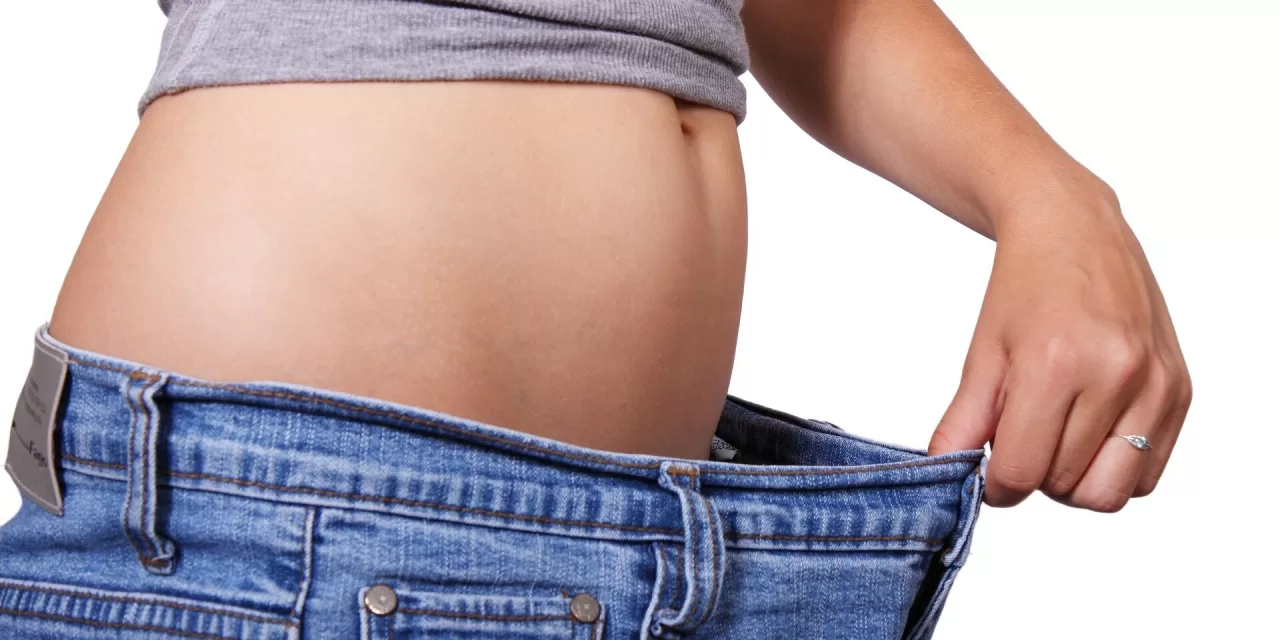
NEW DELHI — In the high-stakes lead-up to India’s peak wedding season, a troubling new trend is emerging in metabolic health. An increasing number of soon-to-be brides and grooms are bypassing traditional fitness regimens in favor of a “quick fix”: prescription weight-loss injections like Ozempic and Mounjaro. While these medications have revolutionized the treatment of type 2 diabetes and chronic obesity, endocrinologists and bariatric surgeons are sounding the alarm. They warn that these powerful pharmaceuticals are being misused for short-term cosmetic goals, exposing otherwise healthy young adults to significant side effects and long-term health risks for the sake of a single day’s photographs.
The Rise of the “Bridal Transformation” Package
In major Indian metros, the demand for rapid slimming has created a burgeoning market for “bridal-ready” packages. Some aesthetic centers and clinics are now bundling GLP-1 receptor agonists with skin treatments and gym memberships, explicitly targeting individuals with a wedding date on the horizon.
Dr. Rajat Goel, a bariatric surgeon at Hindivine Healthcare in New Delhi, has observed this shift firsthand. “Over the last few months, over 20% of the queries we’ve received for obesity injections are from to-be brides,” Dr. Goel told NDTV. “They often openly give us a timeline on how soon they are getting married. We prescribe only if patients are medically eligible, not for cosmetic use.”
Despite the ethical stance of many practitioners, the term “Mounjaro Brides” has gained traction in dermatology and bariatric circles, reflecting a growing culture where medical-grade interventions are viewed as lifestyle shortcuts.
Understanding the Science: What are GLP-1 Drugs?
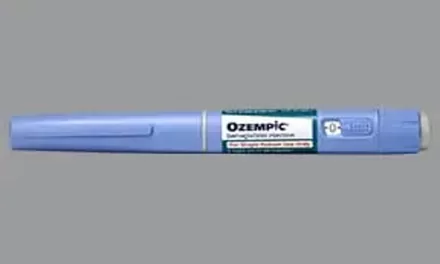
To understand the risks, one must first understand what these drugs are designed to do. Ozempic (semaglutide) and Mounjaro (tirzepatide) are GLP-1 receptor agonists. They work by mimicking the glucagon-like peptide-1 hormone, which the body naturally releases after eating.
The medications perform three primary functions:
-
Slowing Gastric Emptying: They slow the rate at which food leaves the stomach, making the user feel full longer.
-
Appetite Suppression: They act on the brain’s hunger centers to reduce cravings.
-
Insulin Regulation: They help the pancreas release the right amount of insulin when blood sugar levels are high.
While higher-dose versions like Wegovy and Zepbound are specifically approved for chronic obesity management, they remain serious medications intended for patients with a Body Mass Index (BMI) of 30 or higher, or 27 with weight-related comorbidities.
The Cosmetic Paradox: “Ozempic Face” and Hair Loss
For a bride aiming for a “picture-perfect” look, the side effects of rapid, medication-induced weight loss can be counterproductive. Doctors report that losing fat too quickly often leads to a hollowed, sagging appearance in the face—a phenomenon colloquially known as “Ozempic face.”
Furthermore, the physiological stress of rapid weight loss and potential nutritional deficiencies can trigger telogen effluvium, a form of temporary hair thinning. “Rapid weight loss without adequate protein, hydration, and strength training can leave people dehydrated and weak,” experts warn. For many, the result is not a healthy “bridal glow” but rather a depleted appearance that requires further cosmetic intervention to mask.
Clinical Risks and “DIY” Dangers
Beyond aesthetics, the clinical risks are substantial. Common side effects include:
-
Persistent nausea and vomiting
-
Severe diarrhea or constipation
-
Extreme fatigue
More alarmingly, the surge in demand has led some to seek the drugs through unregulated channels, such as gym trainers or social media sellers, bypassing the necessary medical screenings. In Hyderabad, clinicians recently reported the case of a 24-year-old woman who developed severe pancreatitis after just two weeks of unsupervised GLP-1 use. The medication likely unmasked undiagnosed gallstones—a condition that a standard medical evaluation would have flagged.
Dr. Pawan Kumar Goyal, Senior Director of Internal Medicine at Fortis Hospital, Shalimar Bagh, emphasizes the necessity of screening liver and pancreatic function before starting these drugs. “Using them purely for bridal aesthetics shifts the risk-benefit balance in an unfavourable direction,” Dr. Goyal noted.
The Weight-Regain Trap
Perhaps the most significant “fine print” of these miracle injections is their lack of permanence. Clinical data suggests that when the injections are stopped, the suppressed appetite returns, often leading to a rapid rebound in weight unless significant, permanent lifestyle changes have been established.
For a “Mounjaro bride” who uses the drug for three months to fit into a wedding lehenga, the post-honeymoon reality can be jarring. This creates a cycle of “yo-yo dieting” on a pharmacological scale, which can be more taxing on the metabolic system than maintaining a higher, stable weight.
Public Health and Global Impact
The trend doesn’t just affect the individual; it has broader public health implications. The U.S. Food and Drug Administration (FDA) and the UK’s Medicines and Healthcare products Regulatory Agency (MHRA) have both expressed concern that cosmetic misuse contributes to global shortages. This makes it increasingly difficult for patients with type 2 diabetes—for whom these drugs are a life-saving necessity—to access their prescriptions.
NHS England and the Royal College of GPs have issued aggregate statements stressing that these medications are not “quick fixes” for seasonal goals and should be reserved for those with the highest medical need.
The Sustainable Alternative
Medical professionals unanimously agree that for those not meeting the clinical criteria for obesity or diabetes, the “gold standard” remains structured lifestyle changes.
Comparison of Approaches
| Feature | GLP-1 Injections (Cosmetic) | Structured Lifestyle Change |
| Primary Driver | Pharmacological appetite suppression | Metabolic health & muscle preservation |
| Skin/Muscle Impact | Risk of sagging skin & muscle loss | Tones muscle and supports skin elasticity |
| Sustainability | High risk of weight regain after stopping | High (habits are built over time) |
| Cost | High recurring pharmaceutical cost | Low to moderate (diet/gym) |
| Medical Risk | Pancreatitis, GI distress, gallstones | Minimal (when done correctly) |
“Strength training, in particular, helps preserve muscle mass and supports skin tone during weight loss,” health experts suggest. This approach promotes durable changes that benefit cardiovascular health and mental well-being long after the wedding season has ended.
Practical Takeaways for the Wedding Season
If you or a loved one is considering weight-loss injections for a timeline-based event, consider the following:
-
Consult a Specialist, Not a Website: Only a qualified endocrinologist or bariatric specialist can determine if you are medically eligible.
-
Prioritize Protein and Resistance: If you are prescribed these medications for medical reasons, you must engage in strength training and high protein intake to prevent muscle wasting.
-
Monitor for Red Flags: Severe abdominal pain or sudden vision changes require immediate emergency medical attention.
-
Think Beyond the Day: Ask yourself if you are prepared for a long-term medical journey or if you are looking for a temporary mask for a deeper health or body-image issue.
Ultimately, while the pressure to look “perfect” on a wedding day is immense, doctors urge patients to remember that a wedding lasts a day, but metabolic health is a lifelong commitment.
Medical Disclaimer: This article is for informational purposes only and should not be considered medical advice. Always consult with qualified healthcare professionals before making any health-related decisions or changes to your treatment plan. The information presented here is based on current research and expert opinions, which may evolve as new evidence emerges.
References
- https://www.ndtv.com/health/weight-loss-injections-are-not-for-wedding-prep-shortcut-doctors-warn-against-misuse-of-ozempic-mounjaro-11320102