 0
0
 0
0
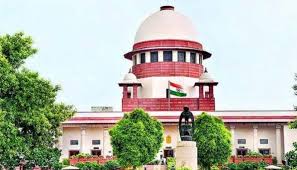
NEW DELHI — In a blistering courtroom confrontation that has sent shockwaves through the medical establishment, the Supreme Court of India has sharply reprimanded two private hospitals and a Bachelor of Ayurveda, Medicine, and Surgery (BAMS) practitioner in Ghaziabad, Uttar Pradesh. The rebuke follows a court-monitored investigation revealing that a critically injured four-year-old sexual assault victim was repeatedly denied life-saving emergency medical stabilization, ultimately succumbing to her injuries.
The three-judge bench, led by Chief Justice of India Surya Kant and comprising Justices Joymalya Bagchi and V. Mohana, labeled the actions of the medical facilities “merciless, ruthless, and insensitive” during a July 17, 2026, hearing. The case has reignited an intense national debate surrounding public health, the legal enforceability of emergency triage protocols, and the ethical obligation of healthcare providers to treat vulnerable patients, regardless of their socioeconomic status or the legal complexities of the case.
A Fatal Delay: What Happened in Ghaziabad
The tragic sequence of events began on March 16 when the four-year-old girl was allegedly lured by a neighbor under the pretext of buying chocolates, subjected to a brutal sexual assault, and left grievously injured. Covered in blood and drifting from consciousness, the child was rushed by her desperate family to two local private facilities—subsequently identified in court records as Khajan Singh Manvi Health Care and St. Joseph Hospital.
According to allegations raised by the father and later verified by a court-appointed, women-led Special Investigation Team (SIT), both private entities refused to provide timely medical care or stabilize the dying child. Left with no alternative, the family transported the toddler to a government-run district hospital, where physicians immediately declared her dead upon arrival.
In open court, the Supreme Court bench stated that the evidence strongly suggested the child was ignored because of her family’s poverty and an assumed inability to pay immediate fees. When the counsel representing the BAMS practitioner argued that the provider lacked the advanced forensic or clinical training to treat such a severe pediatric trauma case, the bench reacted with intense condemnation.
“You have no business writing ‘doctor’ with your name if you don’t perform your duty,” Chief Justice Surya Kant remarked. “If you had sensitivity, you would have gone with the child to another hospital if you didn’t have the facility… A child victim of such a heinous crime is brought before you and you are so merciless you did not provide medical care”.
The apex court directed the hospitals to provide voluntary financial compensation to the grieving family, warning that a failure to act reasonably would result in the court imposing formal, punitive costs that would carry a “chilling effect” across the private healthcare sector.
Emergency Care and the Law: A Constitutional Mandate
For public health experts and legal analysts, the case highlights an ongoing crisis in the execution of emergency medicine. Under Indian jurisprudence, the right to emergency medical treatment is not merely an ethical guideline; it is an extension of the Right to Life guaranteed under Article 21 of the Constitution of India.
In the landmark 1996 ruling Paschim Banga Khet Mazdoor Samity v. State of West Bengal, the Supreme Court firmly established that a patient in a critical condition cannot be denied admission or stabilization by medical facilities under the pretext of an unavailability of beds or bureaucratic obstacles. The court ruled that the state and its licensed instruments hold an absolute duty to preserve human life.
Furthermore, the National Medical Commission (NMC) Code of Medical Ethics explicitly mandates that in emergencies, a physician must attend to the patient immediately and “no physician shall arbitrarily refuse treatment.” While the ethics code permits the referral of a patient if a case falls entirely outside a provider’s clinical scope, it strictly dictates that first aid and clinical stabilization must be completed prior to transfer to ensure the patient does not decompensate during transit.
Public Health Implications and the Trust Deficit
The systemic failure to provide immediate triage and first-line treatment in this case carries severe public health implications. In acute trauma, pediatric shock, or severe bleeding—often referred to in emergency medicine as the “Golden Hour”—even a 10-minute delay in administrative processing or basic triage can mean the difference between life and death.
When private facilities turn away patients during acute emergencies, it erodes public trust in the healthcare infrastructure. This trust deficit creates a dangerous ripple effect: families facing time-sensitive emergencies, such as severe domestic injuries, cardiac events, or assault trauma, may hesitate to seek help from the nearest available facility out of fear of rejection or humiliation, directly worsening community health outcomes.
Limitations, System Complexities, and Unanswered Questions
While the Supreme Court’s verbal rebukes reflect deep institutional frustration with systemic lapses, legal experts note that these sharp observations occur within an ongoing judicial process. They do not yet constitute a final criminal conviction against the individual medical personnel involved.
Medical advocacy groups also point out that distinct nuances exist between an outright, malicious denial of care based on a patient’s poverty and a structural, clinical inability to manage an active pediatric hemorrhage. Emergency departments across the country frequently operate under severe resource deficits, including a lack of pediatric ventilators, critical blood supplies, or specialized trauma staff. Determining whether the Ghaziabad facilities engaged in discriminatory denial of care or suffered from catastrophic triage and safe-transfer failures remains a key focus of the ongoing SIT investigation, which is currently evaluating the internal operational records of the hospitals.
The Path Forward: Lessons for Providers and Patients
The tragedy serves as a stark reminder to healthcare professionals that emergency medical ethics and constitutional law are deeply intertwined. For hospitals, the primary legal and moral obligation remains the immediate stabilization of the patient, clear documentation of clinical decisions, and the arrangement of an institutional, safe-transfer protocol if a higher level of care is required.
For the general public, the case underscores the critical importance of patient advocacy. Families must know that under Indian law, emergency stabilization and primary life support cannot be legally or ethically withheld by any hospital on financial, procedural, or medico-legal grounds.
As the legal proceedings advance, the Supreme Court’s strict stance is expected to apply significant pressure on regional health authorities to enforce stricter oversight on hospital triage protocols, demand institutional accountability, and bridge the dangerous access gaps that continue to threaten the lives of the most vulnerable members of society.
References
-
The Hindu: “‘Merciless, ruthless, insensitive’: SC slams doctor for failure to urgently treat four-year-old rape victim.” Published July 17, 2026.
Medical Disclaimer: This article is for informational purposes only and should not be considered medical advice. Always consult with qualified healthcare professionals before making any health-related decisions or changes to your treatment plan. The information presented here is based on current research and expert opinions, which may evolve as new evidence emerges.