 0
0
 0
0
DHAKA, BANGLADESH — Bangladesh is confronting a worsening public health emergency after health authorities recorded five additional pediatric deaths within a 24-hour window, bringing the country’s combined confirmed and suspected measles death toll to 758. The surge follows months of escalating infections that have overwhelmed pediatric wards nationwide and triggered emergency, large-scale immunization campaigns to halt transmission.
The latest fatalities, reported by the Directorate General of Health Services (DGHS) and local health authorities on July 12, 2026, underscore the severe impact of the highly contagious virus on vulnerable populations, particularly children under five years old.
Escalating Case Counts and Strained Pediatric Wards
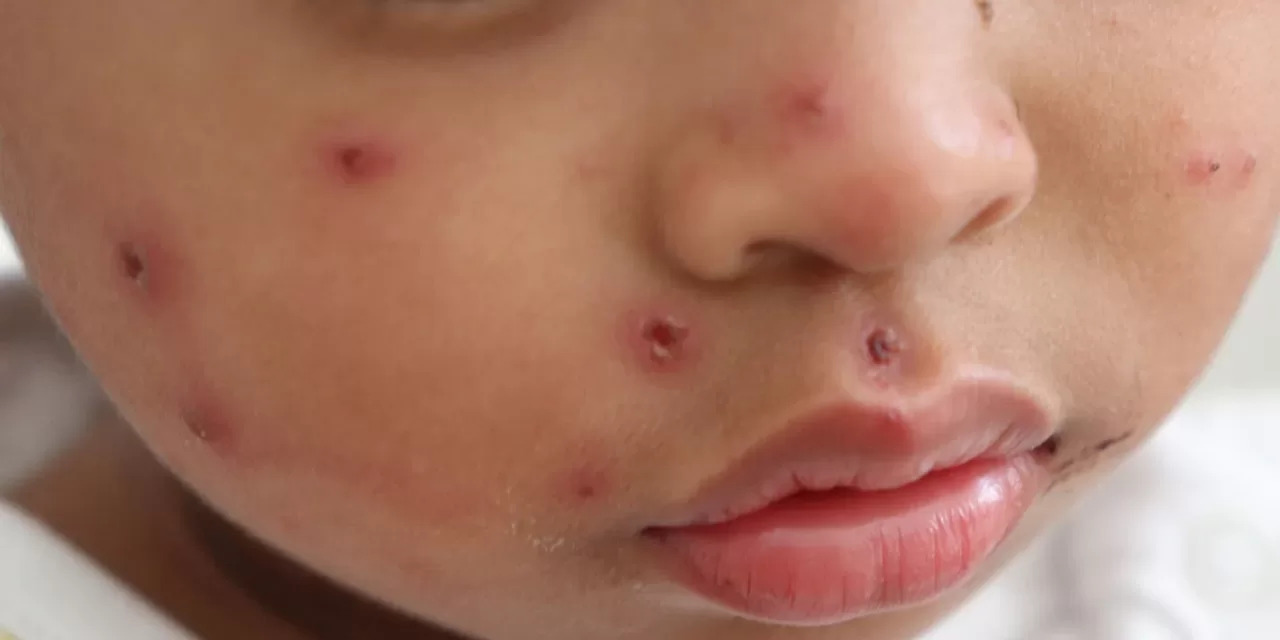
The outbreak, which began gaining traction in mid-March, has generated tens of thousands of suspected infections and pushed local healthcare infrastructure to its limits. According to compiled health updates, public hospitals have experienced unprecedented daily influxes of patients presenting with classic measles symptoms, including high fever, cough, coryza, conjunctivitis, and a characteristic maculopapular rash.
Public health reporting indicates a distinct pattern in the data: a massive volume of suspected cases—estimated in the tens of thousands—juxtaposed against a smaller subset of laboratory-confirmed infections. Epidemiologists note that this disparity is common during large-scale emergencies, where limited laboratory testing capacity forces clinicians to rely on clinical presentations to diagnose and isolate patients rapidly. By late May, official tallies had already documented nearly 71,000 suspected infections and 585 fatalities, illustrating a steep trajectory leading into July.
The Mechanics of Transmission: Why Measles Spreads So Fast
Measles is one of the most transmissible viral pathogens known to medicine, spreading via airborne droplets when an infected person coughs or sneezes. The virus can remain suspended in the air or active on infected surfaces for up to two hours.
Public health experts compare its infectivity to other respiratory viruses, noting that in an unvaccinated population, a single individual with measles can infect between 12 and 18 other people.
“Measles remains one of the most contagious vaccine-preventable diseases. When routine immunization coverage falls or access to essential healthcare is limited, we anticipate rapid community spread and high hospitalization rates among young children,” noted an independent infectious disease specialist reviewing the outbreak data.
For children who are malnourished or immunodeficient, the virus is particularly dangerous. It causes a temporary suppression of the immune system, leaving patients highly susceptible to secondary complications such as severe diarrhea, acute encephalitis (brain inflammation), permanent blindness, and severe bacterial pneumonia—the latter being the most common cause of measles-related death.
Public Health Response and System Contagion
In response to the mounting crisis, the Bangladeshi government, alongside international health partners, initiated emergency mass vaccination drives targeting children aged 6 to 59 months. This specific age cohort represents the vast majority of severe hospitalizations and fatalities recorded during the current wave.
However, delivering vaccines during an active outbreak presents significant logistical hurdles. Health workers are navigating strained cold-chain infrastructure—necessary to keep the live-attenuated measles vaccine viable—alongside concurrent seasonal health threats. The country’s medical system is simultaneously managing seasonal surges of dengue fever and standard neonatal care demands, creating a highly competitive environment for hospital beds, medical staff, and diagnostic resources.
The re-emergence of measles at this scale points to underlying gaps in routine immunization coverage, which may have been disrupted by economic, logistical, or health system challenges in recent years. Achieving herd immunity against measles requires a strict 95% vaccination coverage rate with two doses of the measles-containing vaccine (MCV). When coverage dips below this threshold, the population loses its collective shield, paving the way for explosive outbreaks.
Methodological Limitations in Tracking the Outbreak
Public health officials urge caution when interpreting day-to-day data. Because local reporting systems are currently overwhelmed, current mortality counts conflate laboratory-confirmed cases with clinically diagnosed “suspected” cases.
Without exhaustive laboratory confirmation for every patient, calculating the precise case fatality rate remains challenging. Furthermore, media reports and official tallies may experience administrative lags or undergo retrospective revisions as retrospective case reviews are finalized. While the data confirms a severe respiratory disease crisis, the exact proportion of deaths directly attributable to the measles virus versus secondary bacterial infections remains fluid.
Actionable Advice for Families and Caregivers
The DGHS and international health organizations emphasize that immunization remains the definitive tool to prevent infection and halt the ongoing crisis.
-
Prioritize Vaccination: Caregivers should immediately verify the immunization status of their children. If a child missed their scheduled MCV1 (typically given at 9 months) or MCV2 (typically given at 15 months), they should be taken to the nearest health clinic or emergency campaign site for catch-up doses.
-
Recognize Critical Red Flags: Families must monitor children for severe warning signs that require emergency hospitalization. These include difficulty breathing or rapid respiration, a persistent high fever that fails to respond to antipyretics, severe lethargy, inability to drink or breastfeed, and signs of dehydration.
-
Practice Infection Control: To reduce household transmission, individuals displaying fever and rash symptoms should be isolated from others, particularly infants, pregnant women, and individuals with compromised immune systems.
Medical Disclaimer
Medical Disclaimer: This article is for informational purposes only and should not be considered medical advice. Always consult with qualified healthcare professionals before making any health-related decisions or changes to your treatment plan. The information presented here is based on current research and expert opinions, which may evolve as new evidence emerges.
References
Media & Situation Reports
-
Dhaka Tribune. “Measles outbreak: Death toll reaches 758 as five die in 24 hours.” Published July 12, 2026.