 0
0
 0
0
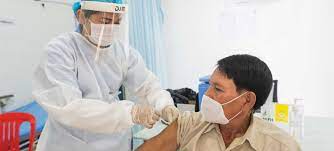
KOLKATA — In a major public health milestone, West Bengal’s health department has launched a large-scale human papillomavirus (HPV) vaccination campaign, rolling out free doses for adolescent girls through government health centres and targeted school camps across the state. The massive drive, which commenced in late May and expanded through June, aims to reach approximately 765,000 girls aged 14. By delivering the vaccines at 881 public health facilities alongside organized school- and community-based camps, officials hope to rapidly scale up coverage and bridge historical inequities in preventative healthcare.
Expanding Access: Key Developments in the State Rollout
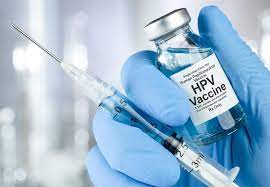
The state-level programme follows India’s broader national HPV vaccination initiative. To support the drive, the central government dispatched 700,000 (seven lakh) doses of the quadrivalent Gardasil-4 vaccine to West Bengal. This specific vaccine is designed to protect against the principal oncogenic HPV types responsible for the vast majority of cervical cancer cases globally.
Rather than relying solely on traditional clinic visits, the health department is executing a multi-pronged delivery strategy. Doses are actively being administered across a network of 881 government facilities, which includes:
-
State medical colleges
-
District hospitals
-
Block primary health centres (BPHCs)
To maximize reach, the government has partnered with professional medical bodies and non-governmental organizations (NGOs) to execute single-day, high-volume vaccination camps. In Kolkata and surrounding districts, these collaborative efforts have already successfully immunized hundreds of girls in single-day community drives, establishing a blueprint for rural expansion.
What the Clinical Evidence Shows
The medical consensus surrounding HPV vaccination is definitive. Human papillomavirus infection is recognized as the primary cause of cervical cancer. Peer-reviewed clinical literature, including data from the National Institutes of Health (NIH) database, underscores that available vaccines drastically reduce the risk of persistent infections and precancerous cervical lesions.
+-----------------------------------------------------------------------+
|                       THE TIMING ADVANTAGE                            |
| Clinical studies demonstrate that the HPV vaccine is most effective   |
| when administered during early adolescence (ages 9–14) as a primary   |
| prevention measure, ideally before exposure to the virus.             |
+-----------------------------------------------------------------------+
Data from recent Indian pilot projects and NGO-led initiatives indicate that targeting the 14-year-old cohort yields high immunological efficacy and strong community acceptability, provided that parents and school authorities receive clear, transparent counselling.
Expert Perspectives: A Comprehensive Approach
Medical professionals emphasize that early intervention is key to transforming long-term cancer statistics.
“Vaccinating girls in early adolescence is a highly effective way to prevent HPV infection, cervical cancer, and other HPV-related malignancies,” says Dr. Susmita Mitra, a practicing gynecologist actively involved with the school health camps in Kolkata. “However, the clinical tool is only as good as its deployment. Programs must seamlessly combine vaccination with structured counselling to improve parental consent and boost community uptake.”
While public health experts celebrate the campaign, they also urge caution against viewing the vaccine as a standalone cure-all. Epidemiologists point out that a truly successful cervical cancer elimination strategy requires a comprehensive, dual-track framework: robust primary prevention (vaccination) for adolescents, paired with rigorous secondary prevention (screening) for older cohorts. Analysts also note that long-term success hinges on strong cold-chain logistics to maintain vaccine potency, meticulous record-keeping for follow-up doses, and sustained community engagement to dismantle vaccine hesitancy.
Context and Public Health Implications
Cervical cancer remains one of the leading causes of cancer-related mortality among women in low- and middle-income countries. In India, limited access to routine screening and subsequent late-stage diagnoses have historically driven high mortality rates. Statistical modeling indicates that widespread, sustained vaccination of adolescent girls could slash the incidence of cervical cancer by a massive margin over the coming decades.
India’s national initiative aims to vaccinate roughly 11.5 million (1.15 crore) girls annually. West Bengal’s target of 765,000 girls represents its crucial state-level contribution to this national goal. By actively incorporating local schools, madrasas, and grassroots community health centers into the rollout, the state is consciously attempting to ensure that marginalized and rural populations are not left behind.
Programmatic Limitations and Challenges
Despite the optimistic rollout, public health observers highlight several real-world limitations:
-
Coverage Gaps: Single-day camps and facility lists do not guarantee total coverage. Logistical constraints—such as maintaining the cold chain in remote areas, staffing shortages, and tracking out-of-school adolescents—pose significant hurdles.
-
Vaccine Scope: The quadrivalent vaccine protects against the most common high-risk HPV strains, but it does not prevent every single strain of the virus. Consequently, older diagnostic screening programs must continue uninterrupted.
-
Data Transparency: Current public reports focus heavily on early targets and preliminary camp successes. Independent monitoring and the steady publication of granular coverage data will be vital to verify the program’s long-term equity and success.
Practical Takeaways for Citizens
For parents, caregivers, and health communicators, the rollout provides immediate, actionable opportunities to safeguard adolescent health.
For Parents and Caregivers
If you have a daughter around the age of 14, contact your local government health centre or your child’s school to inquire about scheduled vaccination days. Doses administered through the designated public facilities and school camps under this state campaign are entirely free. Because school-based camps require informed consent, parents should look out for official communication and consent forms from school administrators.
For Health Communicators
Public health campaigns must emphasize that the HPV vaccine complements, rather than replaces, routine cervical screenings (such as Pap smears or HPV DNA tests) for older women later in life. Clear, culturally sensitive messaging remains essential to counter misinformation and foster trust.
How a Typical School Camp Functions
Based on structural templates established by the Bengal Obstetric and Gynaecological Society and Rotary partners, an effective school camp follows a highly organized workflow:
[Pre-Vaccination Counselling]
       │ (For students and parents to address questions)
       ▼
[Informed Written Consent]
       │ (Secured from parents or legal guardians)
       ▼
[Dose Administration]
       │ (Clinical teams vaccinate 100–300 girls in a single-day drive)
       ▼
[Follow-Up Integration]
       │ (Tracking arranged via local health facilities for subsequent doses)
       ▼
[Long-Term Protection]
By institutionalizing this workflow across hundreds of schools, West Bengal is establishing a repeatable, equitable framework to protect its next generation from a highly preventable cancer.
Medical Disclaimer
Medical Disclaimer: This article is for informational purposes only and should not be considered medical advice. Always consult with qualified healthcare professionals before making any health-related decisions or changes to your treatment plan. The information presented here is based on current research and expert opinions, which may evolve as new evidence emerges.
References
- https://tripuratimes.com/ttimes/bengal-govt-to-organise-cervical-cancer-vaccination-camps-in-girls-schools-39583.html