 0
0
 0
0
NAVAPUR, MAHARASHTRA – Public health authorities in India are on high alert following a confirmed outbreak of H5N1 avian influenza (bird flu) in Maharashtra’s Nandurbar district. While the incident has necessitated the culling of over 150,000 domestic birds to contain the spread, officials from the National Centre for Disease Control (NCDC) and the Indian Council of Medical Research (ICMR) confirmed during a briefing on May 7, 2026, that there have been no laboratory-confirmed human cases in the state. Dr. Rajeev Bahl, Director General of the ICMR, emphasized that while the situation is a “serious animal-health event,” there is currently no evidence of human-to-human transmission in the region.
Containment Efforts in Navapur
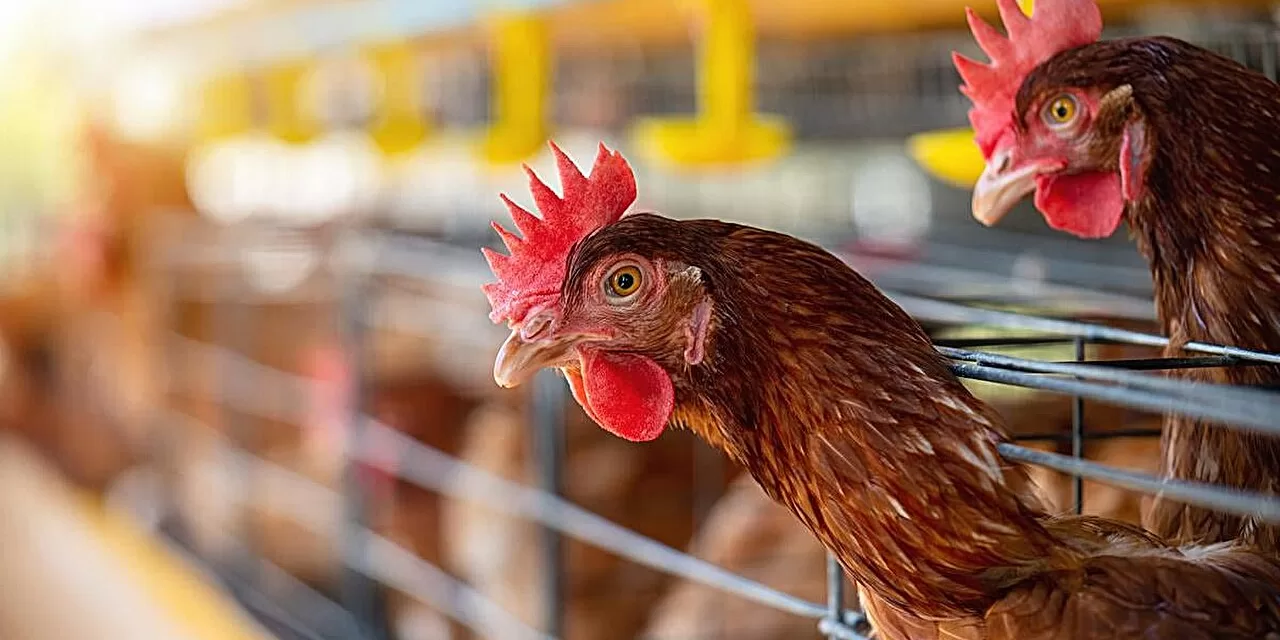
The outbreak was first detected in poultry farms within the Navapur cluster, a region known for its high density of poultry operations. In response, a multi-agency task force comprising the NCDC, ICMR, the Department of Animal Husbandry and Dairying (DAHD), and the Indian Agricultural Research Institute (ICAR) moved swiftly to implement “ring-fence surveillance.”
To date, approximately 150,000 chickens have been culled. Authorities have cordoned off affected farms and established a surveillance zone that includes nearby wetlands—frequented by migratory birds—and live-bird markets. This rapid response aims to prevent the virus from “spilling over” from the avian population into the human population, a critical step in managing highly pathogenic avian influenza (HPAI).
Understanding the H5N1 Threat
H5N1 is a subtype of the influenza A virus that is highly contagious and deadly among birds. While it primarily affects avian species, it poses a zoonotic risk, meaning it can occasionally infect humans who have direct, unprotected contact with sick or dead poultry.
According to data from the World Health Organization (WHO), H5N1 carries a staggering historical case-fatality rate of over 50%. Dr. Ishwar Gilada, Secretary General of the Public Health Organisation (India), noted that since 2003, approximately 939 human cases have been recorded globally, resulting in 464 deaths.
“The numbers are sobering, but they must be viewed in context,” Dr. Gilada explained. “India has recorded only two confirmed human cases of H5N1 in its history. This underscores that while the virus is dangerous to an exposed individual, it does not currently possess the genetic machinery to spread easily between people.”
Why the Risk to the Public Remains Low
For a virus to trigger a pandemic, it must be able to spread efficiently and sustainedly from person to person. Currently, H5N1 remains an “animal-to-human” threat. Most human infections occur in high-risk environments, such as:
-
Directly handling infected poultry or wild birds.
-
Exposure to contaminated feces or respiratory secretions.
-
Working in poorly ventilated live-bird markets.
Beyond Pandemic Panic: A Call for “Emergency Preparedness”
Medical experts are using this outbreak as a catalyst to discuss broader health security. Dr. Gilada argued that the world must move past the narrow lens of “pandemic preparedness” and embrace “all-hazard emergency preparedness.” This approach includes being ready for threats ranging from viral outbreaks to climate-driven catastrophes like heatwaves and wildfires.
“There is no second thought on preparedness,” Dr. Gilada stated. “But we must avoid fear-based narratives. The media and public platforms must exercise restraint. Currently, the risk to the general population in Maharashtra and beyond remains very low, provided we follow standard biosecurity protocols.”
Practical Advice for Consumers
Health authorities are reassuring the public that commercially available poultry and eggs are safe to consume, provided they are handled correctly. The virus is heat-sensitive and is inactivated by standard cooking temperatures.
To maintain safety, the NCDC recommends:
-
Avoid High-Risk Areas: Stay away from live-bird markets or farms in areas with active outbreaks.
-
Practice Hand Hygiene: Wash hands thoroughly after handling any raw poultry.
-
Cook Thoroughly: Ensure poultry and eggs reach an internal temperature of at least 70°C. Avoid raw or “half-boiled” eggs in regions near the outbreak.
-
Report Sick Wildlife: Do not touch dead or clearly ill wild birds; report them to local animal husbandry departments immediately.
Limitations in Current Surveillance
While the official count of human cases stands at zero, some experts urge caution regarding “silent” spread. A limitation of current monitoring is the potential for asymptomatic or very mild cases to go undetected, especially in rural areas where healthcare-seeking behavior for minor flu symptoms may be low.
Furthermore, scientists are calling for more robust, real-time genome sequencing. By tracking the virus’s mutations as it moves through poultry and wild birds, researchers can identify “red flag” changes that might increase its ability to bind to human respiratory receptors.
The Broader Context
The Maharashtra outbreak is part of a larger global trend where H5N1 has expanded its reach to various mammal species, including mink and sea lions, in other parts of the world. However, the coordinated response in Navapur—utilizing lessons learned from previous outbreaks in 2006 and 2021—shows a high level of institutional readiness.
The consensus among the WHO, ICMR, and NCDC is clear: Vigilance is mandatory, but panic is counterproductive. By containing the virus at the source (the poultry population) and maintaining transparent communication, the risk of a wider public health crisis remains minimal.
Medical Disclaimer
Medical Disclaimer: This article is for informational purposes only and should not be considered medical advice. Always consult with qualified healthcare professionals before making any health-related decisions or changes to your treatment plan. The information presented here is based on current research and expert opinions, which may evolve as new evidence emerges.
References
-
The Economic Times – Health: “NCDC and ICMR monitoring Maharashtra bird flu spread, ‘no human cases reported,’ confirms Dr Rajeev Bahl.” (May 7, 2026).