 0
0
 0
0
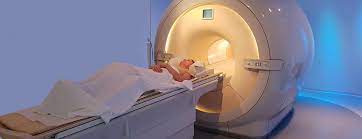
BHOPAL — In a major bid to bridge the urban-rural healthcare divide, the Madhya Pradesh state government has announced a comprehensive diagnostic infrastructure upgrade. Over the next three years, the state will receive 13 Magnetic Resonance Imaging (MRI) scanners, 11 digital mammography units, and 308 artificial intelligence (AI)-enabled handheld X-ray devices.
The procurement is being executed under a joint memorandum between the state health department and central agencies, funded primarily through the Prime Minister’s Citizen Assistance and Relief in Emergency Situations (PM-CARES) Fund, alongside the state’s own CM Care initiatives. Speaking on June 29, 2026, Deputy Chief Minister Rajendra Shukla emphasized that the deployment aims to democratize advanced diagnostics, focusing heavily on remote and historically underserved districts.
Scaling Up Infrastructure: The Numbers and the Timeline
The newly announced medical technology package is designed to scale up secondary and tertiary healthcare tiers across Madhya Pradesh. According to state health officials, the phased rollout will occur over a three-year period to allow for structural installations and technical training.
This initiative builds upon previous state health investments, including the expansion of regional telemedicine networks and the CM Care scheme. The latter was specifically designed to establish robust tertiary and super-specialty services within government-run medical colleges. Officials note that incorporating advanced imaging directly into the public framework will significantly enhance the state’s clinical capacity.
Bringing Advanced Diagnostics to the Frontlines
For patients relying on public health infrastructure, the addition of these technologies addresses critical gaps in medical imaging:
-
Advanced Systemic Imaging: MRI scanners and digital mammography units are foundational for the accurate diagnosis of complex neurological disorders, spinal diseases, musculoskeletal injuries, and breast malignancies.
-
Frontline Portability: The 308 handheld X-ray devices represent a paradigm shift for rural healthcare. Because these units are portable, they can be deployed directly into primary health centers (PHCs), rural outreach camps, and the state’s expanding fleet of mobile medical units.
-
AI-Enhanced Triaging: The handheld X-ray units feature built-in AI algorithms capable of image enhancement, workflow triaging, and automated abnormality detection. In regions where a radiologist is not physically present, the AI can flag critical conditions—such as a pneumothorax or acute fractures—for accelerated review.
The clinical benefit of this rollout centers on reducing the time to diagnosis. For time-sensitive medical emergencies like ischemic strokes or aggressive oncological conditions, rapid imaging localized to the patient’s district can alter clinical decisions and improve survival rates.
Expert Perspectives: Infrastructure vs. Human Resources
While public health experts welcome the financial commitment, they emphasize that advanced medical hardware is only as effective as the ecosystem supporting it.
Dr. Anjali Mehra, a consultant radiologist not involved in the procurement initiative, noted that expanding imaging capacity within government facilities directly lowers financial barriers for vulnerable populations. However, she urged a cautious approach to implementation:
“Acquiring state-of-the-art MRI and mammography machines is a phenomenal first step, but equipment alone does not diagnose a patient. We face a persistent shortage of trained radiological technicians to safely run these machines and qualified radiologists to interpret the studies. Staffing must scale alongside procurement.”
From a system-wide view, Professor R. K. Sharma, a public health researcher, pointed out that portable diagnostics could revolutionize rural medicine if integrated correctly into existing workflows:
“The 308 AI-enabled X-ray units can transform rural diagnostics, provided they are linked directly to robust tele-radiology networks and structured referral pathways. Long-term impact will depend entirely on strict quality control, continuous technical training, and enforceable maintenance contracts.”
Implementation Challenges: Maintenance, Regulation, and AI Limits
As the state prepares for the three-year rollout, independent health analysts highlight several operational hurdles that must be navigated to ensure long-term sustainability.
The Human Resources and Operational Gap
High-end diagnostic machinery requires a dedicated workforce, including specialized operators and medical physicists to ensure radiation safety and quality assurance. Government facilities frequently struggle with recruitment and retention in rural blocks, meaning the state must invest heavily in human resource development parallel to machine delivery.
Maintenance and Uptime
Capital-intensive machinery like MRIs requires uninterrupted power supplies, climate-controlled environments, and a steady supply chain for replacement parts. Without comprehensive maintenance contracts, expensive diagnostic gear in public hospitals can suffer prolonged downtimes from minor mechanical failures.
AI Validation and Data Privacy
The integration of AI algorithms into rural X-ray diagnostics brings regulatory and clinical responsibilities. Under central guidelines, AI medical tools must comply with strict medical device regulations and data privacy frameworks. Furthermore, AI models trained on Western or urban populations can exhibit performance variability when applied to rural Indian demographics. Local validation is critical to prevent misdiagnoses or unnecessary patient panic.
Public Health Implications: Equity and Stewardship
If executed successfully, the initiative carries profound implications for health equity. By offering these services at heavily subsidized rates or free-of-charge under public insurance programs like Ayushman Bharat, the state can drastically lower catastrophic out-of-pocket healthcare expenses. Rural patients will no longer face the dual burden of high diagnostic fees and the logistical costs of traveling to major urban centers.
Screening vs. Standalone Technology
The addition of 11 mammography units aligns with national goals for early breast cancer detection. However, epidemiological data shows that standalone diagnostic equipment rarely lowers mortality rates on its own. To achieve true public health efficacy, these units must be integrated into organized, population-level screening programs that include community outreach, consistent follow-ups, and guaranteed pathways to oncology treatment.
Diagnostic Stewardship
With portable X-ray devices becoming highly accessible, health authorities will need to enforce strict clinical guidelines to ensure proper diagnostic stewardship. Clear protocols must be established to avoid the overuse of imaging, minimizing unnecessary radiation exposure for patients and preventing workflow bottlenecks.
Looking Forward: Practical Takeaways
-
For Patients: The expansion promises localized, affordable diagnostic options. However, patients and caregivers should verify the operational status of equipment at their local district hospital and check coverage details under government health schemes before booking appointments.
-
For Clinicians: Frontline medical officers should prepare for an influx of imaging availability. Medical teams are encouraged to advocate for standardized referral criteria and seamless tele-radiology links to ensure rapid reporting.
-
For Policymakers: To translate this capital investment into measurable health outcomes, equal funding must be directed toward technical training, regional validation of AI tools, and long-term equipment maintenance frameworks.
Medical Disclaimer
Medical Disclaimer: This article is for informational purposes only and should not be considered medical advice. Always consult with qualified healthcare professionals before making any health-related decisions or changes to your treatment plan. The information presented here is based on current research and expert opinions, which may evolve as new evidence emerges.
References
-
Government Announcement: “MP to get 13 MRI machines, 308 AI-enabled X‑ray devices under PM‑CARES: Dy CM Shukla,” The Hawk / IANS, June 29, 2026.