 0
0
 0
0
BHOPAL – In a significant milestone for regional public health, Madhya Pradesh has secured the first rank in India’s Anaemia Mukt Bharat (AMB) Scorecard for 2025-26. With a leading index score of 92.1, the state has outpaced national averages and neighboring peers, signaling a robust expansion of its nutritional and medical intervention systems.
The ranking, confirmed by state officials on May 8, 2026, highlights a period of intense activity for frontline health workers. The surge is attributed to heightened coverage of iron-folic acid (IFA) supplementation and standardized screening protocols targeting the state’s most vulnerable populations: children, adolescents, and women of reproductive age.
The Metrics of Success: Understanding the AMB Index
The Anaemia Mukt Bharat (Anaemia-Free India) strategy is the Union Government’s flagship “life-course” initiative. Rather than focusing on a single demographic, it targets six specific groups through a comprehensive 6x6x6 framework (six interventions, six institutional mechanisms, and six beneficiary groups).
According to the latest scorecard, Madhya Pradesh’s score of 92.1 placed it ahead of Andhra Pradesh and Telangana, which shared the second spot with a score of 90.6, and Tamil Nadu, which ranked third at 89.9.
The state’s success is rooted in high-velocity delivery. Official data indicates:
-
80.4% coverage among children aged 6 to 59 months.
-
95% coverage among school-age children (5–9 years), adolescents, and pregnant/lactating women.
“The ranking is a testament to the disciplined coordination between our Auxiliary Nurse Midwives (ANMs) and Accredited Social Health Activists (ASHAs),” said a senior official from the State Health Department. “By ensuring that IFA supplements reach the doorstep of the beneficiary, we have closed a critical gap in the delivery chain.”
Why the Focus on Anaemia?
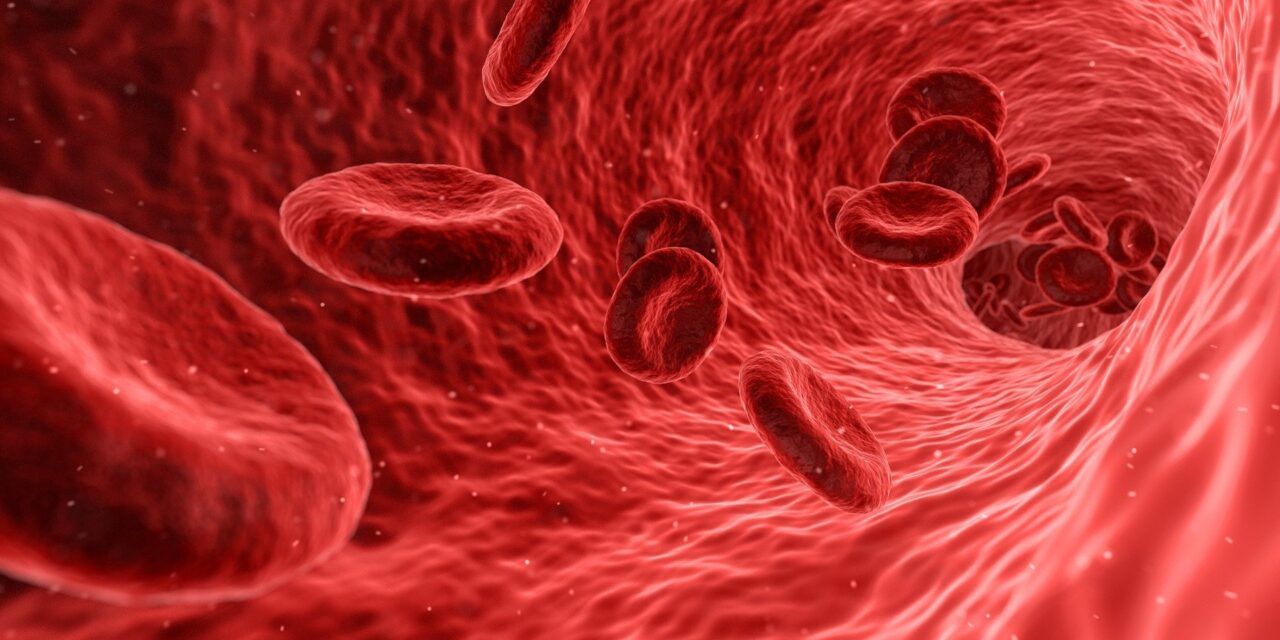
Anaemia is not a standalone disease but a clinical condition where the blood lacks enough healthy red blood cells or hemoglobin to carry oxygen to the body’s tissues. While global health data from the World Health Organization (WHO) identifies iron deficiency as the primary culprit, other factors—including folate, Vitamin B12, and chronic infections—play significant roles.
The stakes for public health are high. In children, chronic anaemia can lead to irreversible cognitive impairment and physical growth stunting. For pregnant women, it significantly increases the risk of maternal mortality and low-birth-weight infants.
“India carries one of the highest burdens of anaemia globally,” explains Dr. Aruna Singh, a public health consultant not involved in the state report. “While a high index score reflects operational excellence in a state’s health machinery, the real victory lies in translating those supplements into improved biological outcomes for the population.”
Strategic Drivers: Beyond the Pill
Experts suggest that Madhya Pradesh’s rise is not solely due to pill distribution. The state has integrated food fortification into its strategy, particularly in tribal-dominated districts. Earlier pilot programs involving double-fortified salt (containing both iron and iodine) were associated with a 5 percentage-point reduction in anaemia prevalence in targeted areas.
The AMB index rewards this holistic approach, which includes:
-
IFA Supplementation: Prophylactic doses for children and adults.
-
Deworming: Periodic administration of Albendazole to prevent blood loss from parasitic infections.
-
Behavior Change Communication: Campaigns promoting iron-rich diets and delayed cord clamping at birth.
-
Testing and Treatment: Using digital hemoglobinometers for point-of-care testing.
The “Implementation vs. Impact” Gap
Despite the celebratory tone of the rankings, public health researchers urge a balanced perspective. A high AMB index score measures program implementation—essentially, how well the government is delivering services. It does not always reflect an immediate drop in actual anaemia rates.
“Coverage is a process indicator, while hemoglobin levels are an outcome indicator,” says Dr. Singh. “A person can take IFA tablets regularly, but if they have an underlying worm infestation, malaria, or a diet devoid of Vitamin C to help iron absorption, their hemoglobin levels may remain stubbornly low.”
Furthermore, some clinicians argue that the “one-size-fits-all” approach to iron supplementation can miss non-nutritional causes of anaemia, such as sickle cell anemia or thalassemia, which are prevalent in specific pockets of Madhya Pradesh.
Moving Forward: What This Means for You
For the average citizen, the state’s top ranking serves as a reminder to utilize available public health resources. However, medical experts emphasize that prevention starts at home.
Practical Steps for Families:
-
Diversify the Plate: Incorporate iron-rich foods like green leafy vegetables, legumes, jaggery, and, where culturally appropriate, organ meats or eggs.
-
Enhance Absorption: Consume citrus fruits (Vitamin C) alongside iron-rich meals to boost absorption. Avoid tea or coffee immediately after meals, as tannins can inhibit iron uptake.
-
Monitor Symptoms: Persistent fatigue, pale skin, cold hands, or a “foggy” brain should prompt a clinical blood test rather than self-medication.
-
Adherence: For those prescribed IFA supplements, consistency is key, despite common side effects like mild nausea or dark stools.
As Madhya Pradesh looks to maintain its lead, the focus is expected to shift toward quality of care—ensuring that the “Mukt” (Free) in Anaemia Mukt Bharat becomes a biological reality for every citizen.
Reference Section
- https://www.thehawk.in/news/health/mp-ranks-1st-in-anaemia-mukt-bharat-index-2025-26-dy-cm-shukla-credits-health-teams
Medical Disclaimer: This article is for informational purposes only and should not be considered medical advice. Always consult with qualified healthcare professionals before making any health-related decisions or changes to your treatment plan. The information presented here is based on current research and expert opinions, which may evolve as new evidence emerges.