 0
0
 0
0
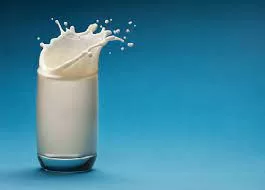
AHMEDABAD, India — In a quiet corner of the Ahmedabad Civil Hospital, a modern-day miracle is being measured in milliliters. Since its inception less than a year ago, the hospital’s human milk bank has reached a historic milestone, with 2,042 lactating mothers donating a staggering 434 liters of breast milk. This “liquid gold” has served as a critical lifeline for 451 vulnerable newborns, many of whom were fighting for survival in the neonatal intensive care unit (NICU).
Reported on May 9, 2026, this achievement highlights a burgeoning movement across India to address one of the country’s most pressing public health challenges: the high rate of preterm births. By providing safe, pasteurized donor human milk (DHM), the initiative is bridging the gap for infants whose mothers are unable to provide milk due to illness, physical exhaustion, or medical complications.
A Rapid Surge in Community Solidarity
The milk bank at Civil Hospital, one of Gujarat’s premier public healthcare facilities, began its journey in September 2025. The response was immediate. In its first month of operation, nearly 300 mothers stepped forward, providing enough milk to benefit 258 infants.
By May 2026, the program’s scale had expanded significantly. Dr. Rakesh Joshi, Medical Superintendent of Civil Hospital, noted that the bank has become indispensable for infants in the NICU and the Kangaroo Mother Care ward.
“The success of this bank is a testament to the altruism of these mothers,” says Dr. Sucheta Munshi, the milk bank in-charge. The dedication of individual donors has been particularly striking; Dr. Munshi recounted the stories of two mothers who each donated 24 liters of milk over month-long stays while their own infants were hospitalized. Such contributions ensure that even the smallest patients—some weighing as little as 700 grams—receive the nutrition they need to thrive.
The Science of Survival: Why Donor Milk Matters
For a premature infant, breast milk is not just food; it is medicine. Clinical research consistently shows that human milk is far superior to bovine-based formula for vulnerable neonates.
The primary benefit lies in the prevention of necrotizing enterocolitis (NEC), a devastating and often fatal intestinal disease that affects premature babies. Human milk contains bioactive components, including immunoglobulins and growth factors, that strengthen the immature gut lining and bolster the infant’s developing immune system.
According to data published in PubMed, infants fed with DHM experience:
-
Lower rates of sepsis and other hospital-acquired infections.
-
Improved neurodevelopmental outcomes later in life.
-
Better digestive tolerance, allowing for a faster transition to full feedings.
While the pasteurization process—specifically the Holder Method, which involves heating milk to 62.5°C for 30 minutes—results in a minor reduction of some live cells and vitamins, it successfully eliminates pathogens while preserving the majority of the milk’s immunological properties.
Expanding the Safety Net Across India
India faces a significant hurdle in neonatal health, with preterm births accounting for approximately 13.6% of all deliveries—amounting to over 3.5 million births annually. While the first Indian milk bank was established in Mumbai in 1989, growth was slow for decades.
However, the tide is turning. As of 2026, nearly 100 milk banks are operational across the country, supported by a mix of government funding and public-private partnerships. The Ahmedabad facility joins elite institutions like JIPMER in Puducherry and the U.N. Mehta Institute’s MAA AMRUTAM initiative in creating a robust network of nutritional support.
“Donor milk is a lifeline for preterm babies,” explains a representative from Neolacta, a leading organization in the field. “When maternal milk is unavailable, DHM provides the essential protection that formula simply cannot replicate.”
Balancing Progress with Practicality
Despite the euphoria surrounding the 434-liter milestone, experts urge a balanced perspective. Human milk banking is a complex logistical operation. Every drop of milk must undergo:
-
Rigorous Screening: Donors are tested for infections such as HIV, Hepatitis B and C, and Syphilis.
-
Strict Processing: Pasteurization must be precise to maintain safety without destroying nutritional value.
-
Post-Pasteurization Testing: Milk is cultured to ensure it is sterile before being administered to infants.
There are also inherent limitations. Donor milk, while superior to formula, is still a secondary choice to a mother’s own milk. Furthermore, because pasteurization reduces some nutrient density, very low-birth-weight infants often require “fortifiers”—added minerals and proteins—to meet their rapid growth needs.
Culturally, challenges remain. “There is still a need for widespread education to dispel myths about milk donation,” says Dr. Vaishnav of the Civil Hospital pediatrics department. “We must ensure that communities understand this is a safe, clinical process akin to blood donation.”
The Public Health Ripple Effect
The implications of the Ahmedabad milestone extend beyond the hospital walls. For low-income families who rely on public health services, access to free, safe donor milk is a matter of equity. It prevents a forced reliance on expensive formulas that may be prepared with unsafe water or increase the risk of infection in resource-limited settings.
Furthermore, the act of donation often encourages “supply and demand” in the donor mothers themselves. By regularly expressing milk, these women often find they can sustain their own breastfeeding journey for longer, adhering to the World Health Organization (WHO) recommendation of six months of exclusive breastfeeding.
What This Means for You
For health-conscious readers and expectant parents, the success in Ahmedabad serves as a call to action and a source of reassurance:
-
For Mothers: If you have an oversupply of milk, consider contacting a local certified milk bank. Your “excess” could save the life of a child who has no other options.
-
For Families: If your newborn requires NICU care and you cannot provide milk immediately, ask your healthcare provider about the availability of pasteurized donor human milk.
-
For the Community: Supporting breastfeeding-friendly policies in workplaces and public spaces helps create the environment where these life-saving donations become possible.
As India continues to expand its milk bank network, the 2,042 mothers of Ahmedabad have set a gold standard for what community-driven healthcare can achieve.
Medical Disclaimer: This article is for informational purposes only and should not be considered medical advice. Always consult with qualified healthcare professionals before making any health-related decisions or changes to your treatment plan. The information presented here is based on current research and expert opinions, which may evolve as new evidence emerges.
References
-
Ommcom News. (2026, May 9). Gujarat: 2042 Mothers Contribute To Ahmedabad Civil Hospital Milk Bank.