 0
0
 0
0
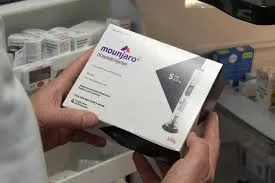
Eli Lilly’s diabetes drug Mounjaro (tirzepatide) has demonstrated significant improvements in blood sugar control and weight reduction in children and adolescents aged 10 to 17 with type 2 diabetes, according to results presented at the European Association for the Study of Diabetes (EASD) meeting in Vienna on September 17, 2025. This late-stage Phase 3 trial, known as SURPASS-PEDS, found that Mounjaro lowered average HbA1c—a key measure of long-term blood sugar—by 2.2%, alongside substantial decreases in body mass index (BMI), offering a promising new treatment possibility for a population increasingly facing this chronic condition.
Key Findings from the SURPASS-PEDS Trial
The SURPASS-PEDS trial is the first Phase 3 clinical study to evaluate the safety and efficacy of Mounjaro specifically in younger patients with type 2 diabetes. The trial enrolled 146 participants, ages 10 to under 18 years, across multiple countries including the United States, Australia, Brazil, India, Israel, Italy, Mexico, and the UK. Of these, 99 were randomized to receive either weekly doses of 5 mg or 10 mg of tirzepatide or a placebo.
After 30 weeks of treatment, children receiving Mounjaro showed an average reduction in HbA1c by 2.2%, from a baseline average of about 8%, compared to minimal change in the placebo group. Importantly, 86.1% of children on the 10 mg dose achieved HbA1c levels of 6.5% or below, a key clinical target for diabetes management. In terms of weight loss, the 10 mg dose resulted in an average BMI reduction of 11.2%, compared to less than 1% in placebo recipients. These benefits were sustained through an extension of the trial up to 52 weeks, demonstrating durable improvements in both glycemic control and BMI.
Expert Perspectives
Dr. Tamara Hannon, director of the Clinical Diabetes Program at Indiana University School of Medicine and lead investigator of the trial, emphasized the significance of these findings for pediatric patients, stating, “Youth living with type 2 diabetes often face a more aggressive disease course, and in many instances, first-line treatments like metformin and basal insulin fail to adequately control their A1C. The SURPASS-PEDS results offer a promising opportunity to shift the long-term health trajectory for these young people with this complex condition”.
Kenneth Custer, Ph.D., president of Lilly Cardiometabolic Health, highlighted the broader potential impact: “By undertaking this research, we can better support children and adolescents living with type 2 diabetes, a population underserved by current therapies. Mounjaro delivered statistically significant improvements in blood sugar, BMI, and other critical cardiometabolic risk factors, while maintaining a safety profile generally consistent with adult studies”.
Background and Context
Type 2 diabetes, historically considered an adult disease, has seen a worrying rise among children and adolescents, correlating strongly with increased rates of childhood obesity. Managing blood sugar in this age group is challenging, as the disease often progresses more aggressively than in adults and therapeutic options remain limited. Conventional first-line treatments such as metformin and basal insulin often prove insufficient, underscoring the urgent need for innovative approaches.
Mounjaro is a dual glucose-dependent insulinotropic polypeptide (GIP) and glucagon-like peptide-1 (GLP-1) receptor agonist, a class of drugs that mimic natural gut hormones regulating blood sugar and appetite. It was already approved for adult use in type 2 diabetes but this trial marks the first robust evaluation in younger patients.
Public Health Implications
Given the increasing prevalence of pediatric type 2 diabetes worldwide, the availability of effective and well-tolerated treatments like Mounjaro could help reduce the risk of long-term diabetes complications, including heart disease, kidney failure, and neuropathy. The improvements in BMI reported in the trial are particularly important, as obesity is a key driver of diabetes progression in youth.
If regulatory authorities approve Mounjaro for pediatric use, it could offer a critical tool to healthcare providers managing young patients struggling with this chronic, life-altering disease. Weight loss alongside improved glycemic control can significantly improve quality of life and reduce healthcare burdens associated with diabetes complications later in life.
Safety and Limitations
The safety profile of Mounjaro in children was consistent with previous adult studies, primarily involving mild to moderate gastrointestinal side effects such as nausea, vomiting, diarrhea, and abdominal pain, which commonly occurred during the dose escalation phase. Severe hypoglycemia was not observed, though a slightly higher incidence of less severe hypoglycemia was reported compared to placebo. Treatment discontinuation due to adverse effects was low (3% pooled doses).
Limitations of the study include its relatively short primary endpoint period (30 weeks) and the fact that long-term side effects beyond one year remain unknown. Also, while reductions in HbA1c and BMI are clinically promising, direct evidence linking these improvements to delayed or prevented diabetes complications in youth will require longer-term follow-up studies.
Experts note that while Mounjaro shows clear benefit, it should be integrated as part of comprehensive diabetes care including diet, exercise, education, and psychosocial support, particularly in growing children.
Practical Implications for Readers
For families and young patients managing type 2 diabetes, Mounjaro’s success in early trials offers hope for improved blood sugar management and healthier body weight with a once-weekly injectable medication. However, as with all medications, treatment must be individualized under the care of healthcare professionals.
This development highlights the importance of diabetes screening in at-risk youth, early intervention with lifestyle modifications, and open discussion about new treatment options as they become available through regulatory approvals.
Medical Disclaimer
Medical Disclaimer: This article is for informational purposes only and should not be considered medical advice. Always consult with qualified healthcare professionals before making any health-related decisions or changes to your treatment plan. The information presented here is based on current research and expert opinions, which may evolve as new evidence emerges.
References