 0
0
 0
0
KABUL, AFGHANISTAN — In a major international humanitarian effort to stabilize a fragile healthcare system, India has successfully delivered approximately 20 tonnes of critical vaccine “dry materials” to Kabul. Arriving in late May 2026, the shipment is specifically designated for the preparation of Bacille Calmette-Guérin (BCG), tetanus, and diphtheria (Td) vaccines. Handed over directly to Afghanistan’s Ministry of Public Health, this massive consignment is part of an ongoing bilateral medical aid initiative aimed at shoring up routine childhood immunisation across the country. The initiative comes at a time when local health infrastructure faces severe economic constraints and structural disruptions.
Shoring Up the “Hardware” of Vaccine Production
Unlike standard emergency aid shipments that contain pre-filled, ready-to-inject vials, this 20-tonne consignment consists entirely of technical-grade “dry materials.” According to reporting from India’s Ministry of External Affairs (MEA), these materials include essential components, stabilizing agents, and excipients.
In vaccine logistics, dry materials serve as the structural foundation for immunization campaigns. Local healthcare authorities, laboratory technicians, and vaccine-handling teams within Afghanistan’s Expanded Programme on Immunization (EPI) utilize these components to complete the final reconstitution and preparation stages.
Without these precise biochemical stabilizers, bulk active vaccine agents cannot be safely converted into stable, injectable doses at the clinic level. This latest delivery directly complements a shipment sent in April 2026, which injected 13 tonnes of finished BCG vaccines and matching ancillary supplies into the Afghan healthcare pipeline to combat childhood tuberculosis (TB).
The Clinical Stakes: Why These Specific Vaccines Matter
The shipment targets three highly infectious, vaccine-preventable bacterial diseases that carry high morbidity and mortality rates in resource-limited settings:
-
BCG (Bacille Calmette-Guérin): Administered during infancy, this vaccine is the primary defense against severe, disseminated forms of tuberculosis in children, including tubercular meningitis and miliary TB. Tuberculosis remains a persistent public health threat across Central and South Asia.
-
Diphtheria: Caused by Corynebacterium diphtheriae, this upper respiratory infection produces a potent toxin that can form a thick grey pseudomembrane over the airway, leading to severe breathing obstructions, systemic myocarditis, and a high fatality rate in unvaccinated children.
-
Tetanus: Triggered by Clostridium tetani spores entering through small wounds or the umbilical stump in newborns, neonatal and pediatric tetanus causes agonizing, full-body muscle spasms and respiratory failure.
According to data compiled by the World Health Organization (WHO) and UNICEF, combined diphtheria-tetanus-pertussis (DTP) and BCG regimens represent the most cost-effective medical interventions available to global health networks.
However, recent cross-sectional health surveys published in journals like Hindawi reveal that routine immunization coverage across twelve major Afghan provinces remains uneven. While targeted catch-up campaigns occasionally push regional coverage figures above 90%, baseline routine EPI performance frequently hovers between 50% and 60%. Epidemiologists warn that when routine coverage dips this low, herd immunity thresholds collapse, leaving communities vulnerable to explosive outbreaks of diphtheria and pertussis.
Fragile Infrastructure and Health Diplomacy
The delivery arrives against the backdrop of a severely strained Afghan primary care landscape. Years of geopolitical isolation, economic barriers, and logistical hurdles have left rural districts detached from central medical supplies.
Large-scale, nationwide measles campaigns managed by the WHO and UNICEF managed to reach over 16.6 million children across two massive phases in late 2025. However, global health groups note that these episodic campaigns rely heavily on external donor funding, making the underlying system highly vulnerable to sudden supply chain breaks.
From a global health diplomacy perspective, India’s targeted supply of raw vaccine materials represents more than simple altruism; it serves as a regional bio-security shield. Public health organizations like Gavi, the Vaccine Alliance, emphasize that leaving any nation with massive gaps in basic child immunization creates domestic health crises and establishes geographic reservoirs for cross-border disease transmission.
+-----------------------------------------------------------------------------+
|               RECENT IMMUNIZATION RELEFS & COVERAGE METRICS                 |
+------------------------------------+----------------------------------------+
| Shipment Weight (May 2026)         | 20 Tonnes (BCG & Td Dry Materials)     |
+------------------------------------+----------------------------------------+
| Prior Shipment Weight (April 2026) | 13 Tonnes (Finished BCG Vaccines)      |
+------------------------------------+----------------------------------------+
| Baseline Routine EPI Coverage      | 50% – 60% in vulnerable districts      |
+------------------------------------+----------------------------------------+
| Recent Measles Campaign Reach      | 16.6 Million+ Children (WHO/UNICEF)    |
+------------------------------------+----------------------------------------+
Expert Insights and Systemic Obstacles
While the influx of 20 tonnes of materials provides immediate relief, independent public health experts urge caution regarding the systemic barriers that remain within Afghanistan.
“Securing high-quality technical materials is an essential first step, but a reliable supply chain requires more than just drop-shipping components to a capital city,” notes Dr. Arif Khan, a public health specialist with extensive experience evaluating South Asian immunization frameworks. “To turn these raw materials into actual protection for a child in a remote mountain village, the local health system must possess functional cold-chain management, properly trained vaccinators, stable local transit, and rigorous data tracking systems. India’s support provides a crucial bridge, but it must function in tandem with long-term primary healthcare investments.”
Journalistic investigation and independent health sector analyses highlight several ongoing limitations to this deployment:
-
Technical Handling Needs: Processing and reconstituting dry chemical components requires stable, laboratory-grade facility environments and precise adherence to protocols, which may strain understaffed rural provincial laboratories.
-
Cold-Chain Integrity: Once reconstituted, vaccines must be kept within strict temperature ranges. Afghanistan’s rolling power outages and rugged terrain present a constant threat of accidental freezing or overheating, which can render doses ineffective.
-
Ad-Hoc Fragmentation: Global health analysts writing for platforms like ReliefWeb note that relying on periodic, ad-hoc foreign aid consignments acts as a temporary patch rather than a permanent fix for systemic structural weaknesses, such as severe medical workforce shortages.
Actionable Advice for Caregivers and Local Communities
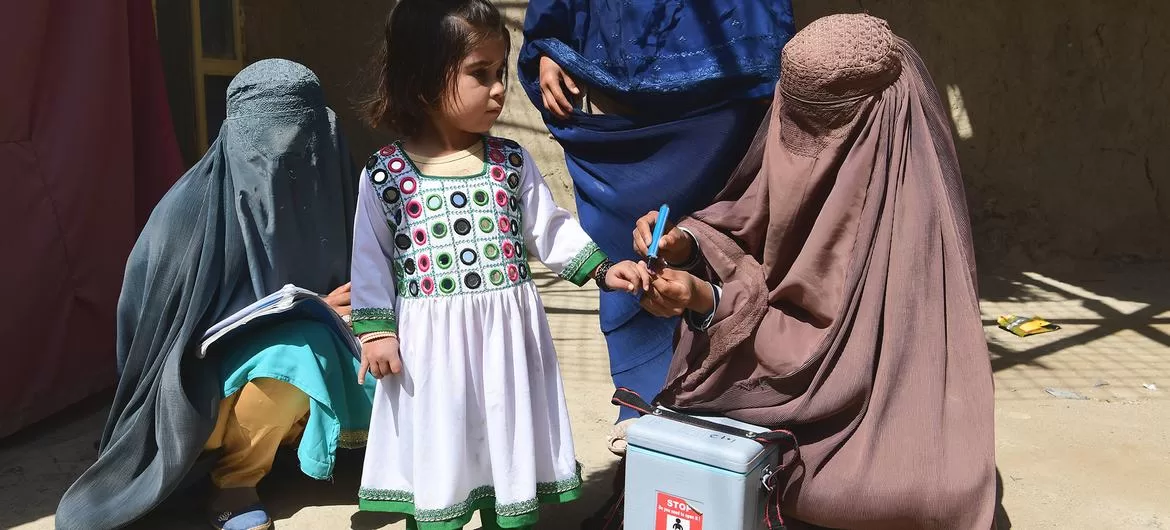
For families and community elders living within Afghanistan, this shipment ensures that local clinics will maintain a continuous, uninterrupted supply of life-saving pediatric doses over the coming months. International health representatives recommend that parents and caregivers take the following practical steps to protect their children:
-
Coordinate with Local Clinics: Regularly check with regional primary health centers or EPI-linked mobile health teams to find out when the next vaccination sessions are scheduled.
-
Prioritize Comprehensive Tracking: Ensure children receive their full, multi-dose series of routine immunizations, rather than relying solely on single-dose, high-profile emergency outreach campaigns.
-
Utilize Community Networks: Pay close attention to village health workers, localized radio broadcasts, and community announcements regarding upcoming mobile vaccination sweeps for polio, measles, and Td boosters.
Ultimately, this massive delivery highlights a fundamental truth of modern medicine: achieving global health security requires a careful balance of medical hardware—such as bulk chemical materials—and robust healthcare software, including trusted community networks, well-compensated healthcare workers, and international cooperation.
References
-
Khaama Press: Media report, “India sends 20 tons of vaccine supplies to Afghanistan,” Published May 21, 2026.
Medical Disclaimer: This article is for informational purposes only and should not be considered medical advice. Always consult with qualified healthcare professionals before making any health-related decisions or changes to your treatment plan. The information presented here is based on current research and expert opinions, which may evolve as new evidence emerges.