 0
0
 0
0
Read Time:6 Minute, 42 Second
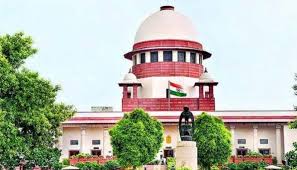
GHAZIABAD / NEW DELHI — In a landmark intervention aimed at overhauling how Indian hospitals handle critical medico-legal emergencies, the Supreme Court of India directed two private facilities in Ghaziabad to pay a total of ₹12 lakh in compensation to the family of a four-year-old sexual assault survivor who died after allegedly being turned away without immediate care. Beyond financial restitution, a Bench led by Chief Justice of India Surya Kant, alongside Justices Joymalya Bagchi and V. Mohana, signaled that the apex court will frame comprehensive national guidelines to ensure emergency stabilization always takes precedence over administrative and police procedures.
The ruling comes after a Special Investigation Team (SIT) report revealed the child survived for several hours following the brutal assault on March 16, 2026, before succumbing to her injuries. Legal experts and public health advocates emphasize that while India’s statutory framework already mandates immediate emergency care, systemic fear, administrative inertia, and gaps in hospital training continue to create lethal delays for survivors of grave violence.
A Tragic Delay in Critical Care
The case stems from an incident in Ghaziabad, Uttar Pradesh, where a four-year-old girl was allegedly lured by a neighbor. When her family discovered her unconscious and bleeding heavily, they rushed her to two local private healthcare providers—St. Joseph (Mariam) Hospital and Khajan Singh Mannvi Health Care.
According to proceedings before the Supreme Court, neither facility admitted or stabilized the critically injured toddler. By the time her family transported her to a public facility equipped to handle the case, attending physicians declared her dead. The court-appointed SIT confirmed that the child remained alive for several hours post-assault, suggesting that immediate medical intervention, such as hemodynamic stabilization and hemorrhage control, could have altered the outcome.
On August 7, 2026, the Supreme Court recorded that St. Joseph Hospital would pay ₹10 lakh and Khajan Singh Mannvi Health Care would pay ₹2 lakh to the child’s family within four weeks via demand drafts. The Bench clarified that these interim payments do not replace a full investigation into criminal or civil liabilities but serve as an immediate acknowledgment of the systemic failure to provide lifesaving care.
The Medico-Legal Paradox: Why Hospitals Turn Away Emergency Cases
For decades, Indian emergency rooms have struggled with the misinterpretation of medico-legal cases (MLCs)—situations involving criminal acts, trauma, or sexual violence where clinical documentation may later serve as courtroom evidence.
Despite clear legal mandates, many private healthcare facilities hesitate to admit MLCs due to perceived fear of police harassment, cumbersome court appearances for attending physicians, or anxieties over unpaid medical bills.
+-----------------------------------------------------------------------------------+
|                        THE PARALLEL EMERGENCY WORKFLOW                            |
|                                                                                   |
|  PATIENT ARRIVAL (Severe Trauma / Sexual Violence / Medico-Legal Case)            |
|                                 │                                                 |
|                                 ▼                                                 |
|               ┌───────────────────────────────────┐                               |
|               │ PRIORITY 1: IMMEDIATE MEDICAL CARE│                               |
|               │ • Airway, Breathing, Circulation  │                               |
|               │ • Hemorrhage Control & Fluid Resus│                               |
|               │ • Trauma-Informed Pain Management │                               |
|               └─────────────────┬─────────────────┘                               |
|                                 │                                                 |
|        ┌────────────────────────┴────────────────────────┐                        |
|        ▼                                                 ▼                        |
|  ┌───────────┐                                   ┌──────────────┐                 |
|  │ FORENSICS │ (Preserve evidence during care)   │ NOTIFICATION │ (Notify police |
|  └───────────┘                                   └──────────────┘  without delay) |
+-----------------------------------------------------------------------------------+
“Medical triage and legal protocol must run in parallel, never sequentially,” explains Dr. Ananya Mukherjee, a clinical trauma specialist not involved in the case. “When a patient presents with severe physical trauma or massive hemorrhage, the biological window for intervention is measured in minutes. Demanding police documentation, First Information Reports (FIRs), or advance payment before initiating resuscitation violates basic bioethics and clinical standards.”
Existing Legal Mandates vs. Ground Realities
The legal mandate for mandatory emergency care is not new in Indian jurisprudence. In the seminal 1989 judgment Pt. Parmanand Katara v. Union of India, the Supreme Court established that preserving human life is of paramount importance and that every medical professional, whether public or private, bears an obligation to extend immediate care without waiting for procedural clearance.
Furthermore, statutory provisions explicitly reinforce this obligation:
-
Section 397 of the Bharatiya Nagarik Suraksha Sanhita (BNSS), 2023: Mandates that all medical facilities, public or private, must provide immediate first aid or medical treatment to victims of specified offenses free of cost and immediately inform the police.
-
Section 200 of the Bharatiya Nyaya Sanhita (BNS), 2023: Prescribes criminal penalties and imprisonment for healthcare administrators or personnel who refuse treatment to such victims.
-
Ministry of Health and Family Welfare (MoHFW) Guidelines (2014): Explicitly state that consent, emergency medical treatment, and physical stabilization must precede forensic collection and law enforcement procedures.
       STATUTORY OBLIGATIONS FOR EMERGENCY CARE IN INDIA
 ┌─────────────────────────────────────────────────────────────┐
 │  Pt. Parmanand Katara v. Union of India (1989)              │
 │  • Paramount duty to preserve human life                    │
 │  • No procedural delays prior to medical stabilization      │
 └──────────────────────────────┬──────────────────────────────┘
                                │
                                ▼
 ┌─────────────────────────────────────────────────────────────┐
 │  Bharatiya Nagarik Suraksha Sanhita (BNSS), 2023 - Sec 397  │
 │  • Mandatory immediate care by all public/private hospitals │
 │  • Parallel police notification protocol                    │
 └──────────────────────────────┬──────────────────────────────┘
                                │
                                ▼
 ┌─────────────────────────────────────────────────────────────┐
 │  Bharatiya Nyaya Sanhita (BNS), 2023 - Section 200          │
 │  • Criminal penalties for medical denial of service         │
 └─────────────────────────────────────────────────────────────┘
Despite these statutes, implementation remains inconsistent across regional healthcare systems, largely due to a lack of institutional training, unclear emergency department SOPs, and weak enforcement mechanisms.
Clinical Imperatives in Pediatric Trauma and Assault
Severe physical assault in pediatric patients triggers rapid systemic deterioration. Children have lower circulating blood volumes compared to adults, making them exceptionally vulnerable to hypovolemic shock following severe bleeding.
According to World Health Organization (WHO) clinical management guidelines for survivors of sexual violence, initial medical care must address four immediate priorities:
-
Hemodynamic Stabilization: Rapid assessment of airway, breathing, and circulation (the ABCs), followed by fluid resuscitation or blood products if internal or external bleeding is present.
-
Physical Trauma Assessment: Identification and treatment of lacerations, fractures, or soft-tissue organ damage.
-
Trauma-Informed Care: Providing compassionate, non-judgmental support that minimizes psychological distress and protects the child’s privacy.
-
Prophylaxis & Specialized Support: Administering post-exposure prophylaxis (PEP) for HIV, prevention of secondary infections, and arranging immediate pediatric mental health support.
When hospitals delay these steps, the risk of irreversible septic shock, fatal organ failure, and severe long-term psychological trauma increases exponentially.
Institutional Accountability and Public Health Pathways
The Supreme Court’s impending guidelines are expected to mandate clear, enforceable operational frameworks across both public and private sectors. Public health policy experts argue that to bridge the gap between court judgments and hospital emergency rooms, several core structural reforms are required:
| Focus Area | Required Institutional Reform | Public Health Benefit |
| Emergency SOPs | Clear protocols authorizing ER nurses/doctors to begin care immediately without police presence. | Eliminates procedural delays during critical golden-hour care. |
| Active Transfer Networks | Mandatory stabilization prior to transfer, accompanied by monitored ambulance transport. | Prevents “passive refusal” where unstable patients are redirected without assistance. |
| Forensic & Legal Training | Regular medical education on trauma-informed evidence collection and MLC documentation. | Reduces clinician fear of legal entanglement while preserving evidence integrity. |
| Safeguarding Support | On-call pediatric psychologists and social workers integrated into emergency departments. | Ensures immediate emotional safety and trauma care for vulnerable survivors. |
Guidance for Families in Acute Emergencies
Public health authorities advise that in any acute injury or assault emergency, families should head to the nearest healthcare facility immediately. Relatives cannot legally be required to present a police report, lodge an FIR, or provide advance payments before lifesaving treatment begins.
If a hospital claims it lacks the clinical capability to treat a patient, medical staff are legally obligated under standard emergency protocols to stabilize the patient’s vital signs before arranging a safe, monitored transfer to a higher-center facility.
Moving Forward: Bridging Law and Medical Practice
While financial compensation provides limited relief to a grieving family, it cannot substitute for systemic accountability. The Supreme Court’s push to establish enforceable national guidelines marks a crucial step toward protecting patients from procedural neglect.
For healthcare providers and law enforcement agencies alike, the overarching message remains clear: administrative processes and forensic requirements must support human life, never delay its preservation.
References
-
Medical Dialogues. “Supreme Court to Lay Guidelines on Timely Treatment: 2 Hospitals Ordered to Pay Rs 12 Lakh After 4-Year-Old Rape Victim Denied Medical Care Dies.” August 9, 2026. Medical Dialogues
Medical Disclaimer: This article is for informational purposes only and should not be considered medical advice. Always consult with qualified healthcare professionals before making any health-related decisions or changes to your treatment plan. The information presented here is based on current research and expert opinions, which may evolve as new evidence emerges.


Happy
0 %

Sad
0 %

Excited
0 %

Sleepy
0 %

Angry
0 %

Surprise
0 %