 0
0
 0
0
TRIPOLI — In a monumental achievement for global health, the World Health Organization (WHO) has officially validated Libya’s elimination of trachoma as a public health problem. The announcement marks the end of a century-long battle against the leading infectious cause of blindness within the nation, making Libya the 28th country globally to reach this milestone.
This validation is particularly significant given Libya’s recent history of political instability and humanitarian challenges. It serves as a powerful testament to the resilience of national health systems and the efficacy of coordinated international support in the fight against Neglected Tropical Diseases (NTDs).
A Century-Old Burden Lifted
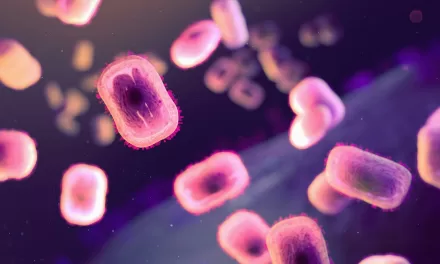
Trachoma, a disease caused by the bacterium Chlamydia trachomatis, has been documented in Libya for over 100 years. Throughout the 20th century, the condition was rampant, particularly in the arid southern regions where limited access to water and sanitation allowed the infection to flourish.
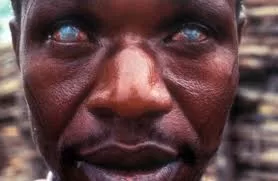
The disease is deceptively simple in its transmission but devastating in its progression. It spreads through direct contact with eye or nose discharge from infected individuals, often carried by hands, clothing, or eye-seeking flies. While initial infections often occur in childhood, repeated bouts over years lead to severe scarring of the inner eyelid.
“This milestone reflects Libya’s determination to safeguard the health of its people,” said Dr. Tedros Adhanom Ghebreyesus, WHO Director-General. “It reinforces our conviction that progress against neglected tropical diseases is possible everywhere.”
The Science of Elimination: From Surveys to Surgery
The path to validation required rigorous scientific evidence. Following preliminary control efforts in the 1970s, the Libyan Ministry of Health intensified its focus in 2017, integrating trachoma elimination into the National Prevention of Blindness Programme.
In 2022, targeted surveys were conducted across six southern districts suspected of harboring the disease. These surveys evaluated two primary indicators:
-
Active Trachoma: Inflammatory infection, primarily in children.
-
Trichiasis: A painful condition where scarring causes eyelashes to turn inward, scratching the cornea and leading to permanent blindness.
While most areas met the WHO safety thresholds, the district of Wadi Al Hayaa/Ghat required an intensive surgical campaign to treat existing trichiasis cases. A follow-up survey in 2025 confirmed that these interventions were successful, bringing the prevalence below the elimination threshold and clearing the way for WHO validation.
Overcoming “Complex Dynamics”
What makes Libya’s success a blueprint for other nations is the context in which it was achieved. Over the last decade, the country has navigated internal conflict, mass population displacement, and a strained infrastructure.
“Libya’s achievement is a source of pride,” stated Dr. Mohamed Al-Ghoj, Libya’s Acting Minister of Health. “Even through difficult years, we maintained our focus… ensuring no one was left behind.”
Public health experts note that NTDs like trachoma thrive in “blind spots” created by conflict. “When health systems are stressed, preventive services like eye screenings are often the first to go,” says Dr. Sarah Thompson, an independent global health consultant not involved in the Libyan program. “To eliminate a disease under these conditions requires an extraordinary level of local mobilization and horizontal integration—meaning the trachoma program wasn’t a silo; it was part of a broader push for better hygiene and primary care.”
The Global “Road Map” and Future Implications
Libya is now the 10th country in the WHO Eastern Mediterranean Region to eliminate at least one NTD. This contributes to the ambitious goals set in the WHO 2021–2030 Road Map for Neglected Tropical Diseases, which aims to leave no one behind in the pursuit of health equity.
However, health officials warn against complacency. Validation of “elimination as a public health problem” does not mean the bacteria has been wiped off the face of the earth. It means the levels are low enough that the disease no longer constitutes a crisis.
Key Statistics at a Glance
-
28: Countries worldwide that have eliminated trachoma.
-
8: Countries in the Eastern Mediterranean Region to reach this status.
-
1 Billion: People globally affected by the 21 different Neglected Tropical Diseases.
-
59: Total countries that have eliminated at least one NTD as of 2025.
What This Means for the Public
For the average citizen, the elimination of trachoma is a victory for the “SAFE” strategy—an acronym developed by WHO:
-
Surgery to treat the blinding stage (trichiasis).
-
Antibiotics to clear infection.
-
Facial cleanliness.
-
Environmental improvement, particularly access to water and sanitation.
The success in Libya underscores the importance of basic hygiene. While the risk of trachoma in Libya is now minimal, the infrastructure improvements—such as better water access—provide a “health dividend” that protects against other water-borne and infectious diseases.
Balanced Perspective: Challenges Ahead
While the celebration is earned, some experts urge caution regarding the sustainability of these gains. “The challenge now is surveillance,” explains Dr. Thompson. “In regions with high migration and porous borders, maintaining an elimination status requires constant vigilance to ensure the disease isn’t reintroduced from neighboring endemic areas.”
Furthermore, as climate change impacts water scarcity in North Africa, maintaining the “Environmental” pillar of the SAFE strategy will require continued investment in infrastructure, even after the immediate threat of trachoma has faded.
Medical Disclaimer: This article is for informational purposes only and should not be considered medical advice. Always consult with qualified healthcare professionals before making any health-related decisions or changes to your treatment plan. The information presented here is based on current research and expert opinions, which may evolve as new evidence emerges.
References
Official Reports & Citations:
- https://www.who.int/news/item/18-02-2026-who-validates-elimination-of-trachoma-as-a-public-health-problem-in-libya