 0
0
 0
0
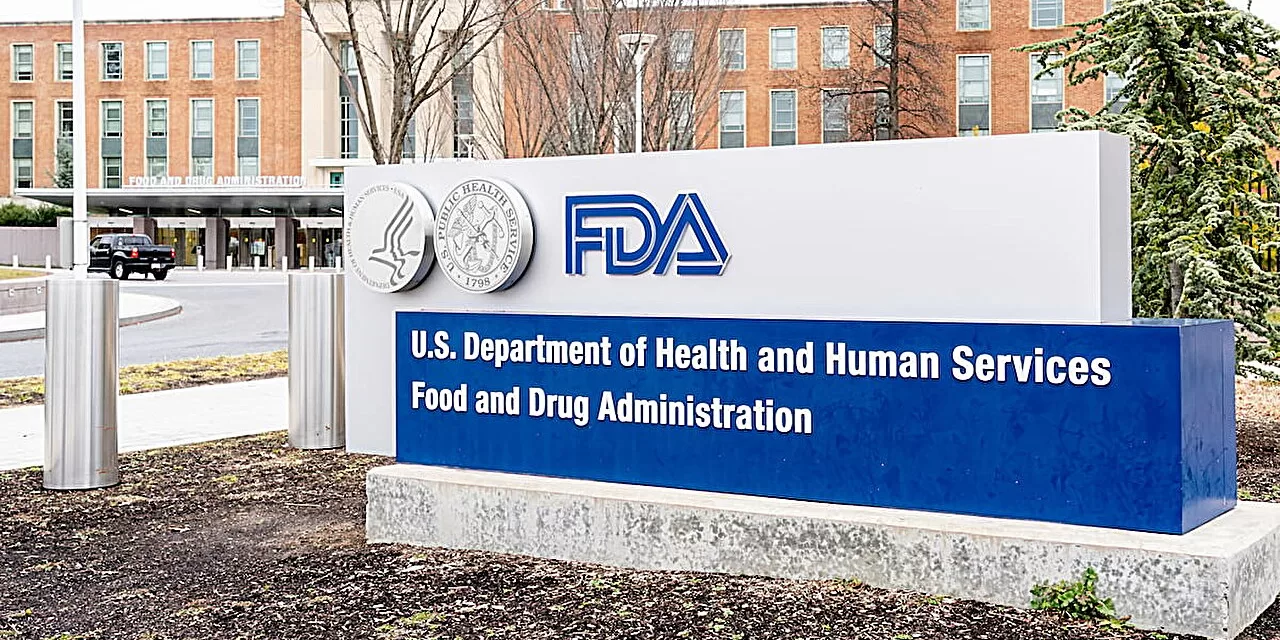
WASHINGTON — The U.S. Food and Drug Administration (FDA) is facing a critical leadership crisis following reports that the acting head of its drug division is expected to step down. This anticipated departure comes just days after FDA Commissioner Marty Makary announced his own resignation, signaling deep systemic turbulence within the nation’s premier public health regulatory agency.
Dr. Tracey Beth Hoeg, who has been serving as the acting director of the FDA’s Center for Drug Evaluation and Research (CDER), is expected to exit the agency shortly, according to multiple people briefed on internal planning. While the precise timing and terms of her departure have not been formally announced—and the Department of Health and Human Services (HHS) has declined to comment on personnel matters—industry outlets and national media have confirmed that the agency is bracing for the transition.
This successive loss of top-tier leadership raises urgent questions for both healthcare providers and the public regarding the stability, predictability, and independence of the U.S. drug approval and safety apparatus.
The Role of CDER and the Ripple Effect of Leadership Churn
To understand the weight of Hoeg’s pending departure, it helps to look at the massive footprint of the department she commands. CDER is the cornerstone of the FDA’s consumer protection mission. It is responsible for evaluating and approving all prescription and over-the-counter medications before they hit the market. This vast portfolio dictates the availability of everything from cutting-edge oncology infusions and diabetes management therapies to everyday pain relievers and ultra-rare disease treatments.
Public health experts emphasize that the CDER director holds immense power over American medicine. The individual in this chair shapes:
-
How quickly promising new therapies reach patients.
-
How aggressively post-market safety risks and side effects are monitored.
-
How transparently risk-benefit data is communicated to frontline physicians and consumers.
Alarmingly, Hoeg’s anticipated exit marks the fifth time an individual has led or acted as the head of CDER in a compressed 16-month window under the current administration.
Recent Senior Leadership Departures at the FDA (Early 2026)
┌───────────────────────────┬───────────────────────────┬───────────────────────────┐
│ official                  │ role                      │ departure status          │
├───────────────────────────┼───────────────────────────┼───────────────────────────┤
│ Dr. Marty Makary          │ FDA Commissioner          │ Resigned (May 2026)       │
│ Dr. Tracey Beth Hoeg      │ Acting Director, CDER     │ Exit Anticipated          │
│ Dr. Vinay Prasad          │ Chief, CBER (Vaccines)    │ Resigned (April 2026)     │
│ Dr. Richard Pazdur        │ Brief Oncology/Drug Head  │ Retired early             │
└───────────────────────────┴───────────────────────────┴───────────────────────────┘
This rapid turnover, which insiders describe as a “leadership cascade,” is not isolated to the drug center. In March 2026, the FDA’s vaccine chief, Dr. Vinay Prasad, announced his resignation effective at the end of April, following a series of highly controversial policy decisions and intense political pressures. Days later, Commissioner Makary resigned after barely a year in office—a tenure defined by public friction with lawmakers, pharmaceutical executives, and the White House over agency independence and expedited drug-approval pathways.
Balancing Speed and Safety: What is At Stake?
For patients waiting on life-saving treatments, a faster FDA seems ideal. However, public health researchers from institutions like the Johns Hopkins Bloomberg School of Public Health and the Harvard School of Public Health warn that rapid executive turnover can erode institutional memory and disrupt long-term safety programs.
The friction over this balance is not new. A 2025 investigative report revealed that long-time FDA oncology pioneer Dr. Richard Pazdur, who had been briefly promoted to oversee broader drug evaluations, expressed severe anxiety that newly proposed fast-track approval pathways might bypass essential clinical safeguards. Pazdur chose to submit retirement paperwork just weeks into the role, signaling profound disagreement within the ranks regarding the direction of drug-review policy.
When the leadership of CDER changes repeatedly, long-term initiatives—such as pharmacovigilance (the active tracking of adverse drug reactions in the general population) and real-world evidence tracking—can stall.
“A regulator’s job is to be a steady hand during crises, not a political barometer,” noted a former senior FDA drug-safety officer, speaking on the condition of anonymity. “When the top chair is constantly spinning, it sends a message that the role is dictated by political alignment rather than objective science.”
Public Health Implications: The View From Both Sides
The pharmaceutical industry and public health sectors remain divided on what this shake-up truly signifies for the future of medicine.
The Argument for Modernization
Defenders of the administration’s aggressive reshaping of the FDA view these departures not as a crisis, but as a necessary disruption. Supporters argue that the agency’s traditional layers of leadership had become overly risk-averse, bogged down by bureaucracy that ultimately delayed vital therapies from reaching terminal patients. From this perspective, installing leaders aligned with a mandate to cut red tape brings a fresh approach to a rigid system.
The Argument for Caution
Conversely, public health advocates and biopharma analysts express deep concern over institutional stability. Market analysts at firms like Bloomberg Intelligence note that regulatory unpredictability makes pharmaceutical companies hesitant. If investors and companies do not know what the approval standard will be from one month to the next, they may delay filing new drug applications or scale back investments in complex, late-stage clinical trials.
Furthermore, critics fear that cumulative high-profile exits will damage public trust in the FDA’s neutrality, especially in an era where public discourse surrounding vaccines and pharmaceutical safety is already deeply polarized.
What This Means for Your Daily Health Decisions
If you are a patient managing a chronic condition or a caregiver looking after a loved one, it is vital to know that this leadership transition will not change your daily prescriptions overnight.
The FDA’s foundational review structure relies on thousands of career scientists, clinicians, and independent advisory committees who remain in place to evaluate drug data. Operational continuity is mandated by law.
However, because long-term policy shifts could alter how risks and benefits are weighed in the future, healthcare consumers can protect themselves by taking an active role in their medical care:
-
Engage Your Healthcare Team: When a doctor prescribes a newly approved medication or suggests switching to a new biologic or biosimilar, ask about the clinical data supporting it. Good questions include: How long has this drug been on the market? What are the known side-effect profiles compared to older treatments?
-
Monitor Official Safety Communications: The FDA regularly updates drug labels and issues drug-safety alerts based on post-market surveillance. Consumers can visit the official FDA website to sign up for direct email alerts concerning medications they use regularly.
-
Practice Shared Decision-Making: Use appointment times to discuss why a specific therapy is being chosen. Understanding whether a medication switch is driven by a new clinical safety signal, an administrative policy shift, or insurance formulary changes helps ensure your treatment plan remains optimal.
Medical Disclaimer
This article is for informational purposes only and should not be considered medical advice. Always consult with qualified healthcare professionals before making any health-related decisions or changes to your treatment plan. The information presented here is based on current research and expert opinions, which may evolve as new evidence emerges.
References
-
Reuters. “Exclusive: FDA drug center head expected to leave after commissioner’s exit, sources say.” Published May 14, 2026.