 0
0
 0
0
SAO PAULO — In a milestone shift for Latin America’s largest healthcare market, Brazil’s National Health Surveillance Agency (Anvisa) announced on July 29, 2026, the regulatory authorization of five new injectable semaglutide medications for adults living with type 2 diabetes.
The decision follows the March 2026 patent expiration of Novo Nordisk’s blockbuster medication, Ozempic, in Brazil. By clearing these new non-proprietary alternatives, health officials aim to dismantle persistent supply shortages, spur market competition, and significantly lower costs for millions of patients managing chronic metabolic disease across the country.
What Was Approved: Expanding the Semaglutide Arsenal
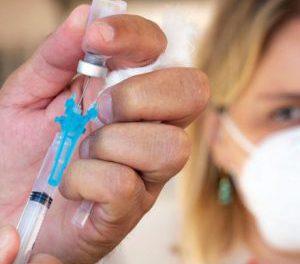
The five newly authorized pre-filled pen treatments—Owozy, Seemasun, Zempneo, Semavy, and Orsema—all contain synthetically synthesized semaglutide, identical in molecular structure to the active compound in Ozempic.
Anvisa granted marketing authorization through an expedited review framework launched specifically to clear administrative backlogs for critical glucagon-like peptide-1 (GLP-1) receptor agonists and liraglutide treatments. Regulatory officials confirmed that each drug underwent rigorous comparative evaluations, including:
-
Clinical Equivalence Trials: Demonstrating bioequivalence, safety profiles, and glycemic control outcomes matching reference Ozempic.
-
Factory Inspections: Verifying compliance with strict Good Manufacturing Practices (GMP).
-
Technical Dossier Reviews: Ensuring purity, stability, and exact chemical consistency.
Approved Formulations and Distributors
These regulatory clearances bring the total number of approved semaglutide options in Brazil to six, building on the May 2026 approval of Ozivy—developed by EMS (Grupo NC) as the country’s first domestic synthetic semaglutide pen.
| Brand Name | Active Compound | Local Marketing & Distribution Partner | Delivery System |
| Owozy | Synthetic Semaglutide | Ávita Care Importação e Distribuição / Sandoz | Multi-dose pre-filled pen |
| Seemasun | Synthetic Semaglutide | Sun Pharma / Hypera Pharma | Multi-dose pre-filled pen (2mg & 4mg) |
| Zempneo | Synthetic Semaglutide | Brainfarma Indústria Química e Farmacêutica S.A. | Multi-dose pre-filled pen |
| Semavy | Synthetic Semaglutide | Cosmed Indústria de Cosméticos e Medicamentos S.A. | Multi-dose pre-filled pen |
| Orsema | Synthetic Semaglutide | Ranbaxy Farmacêutica Ltda. | Multi-dose pre-filled pen |
Clinical Indications: How These Medications Are Used
Semaglutide works by mimicking GLP-1, an incretin hormone naturally secreted by the gut. It stimulates glucose-dependent insulin secretion, lowers glucagon levels, slows gastric emptying, and promotes satiety.
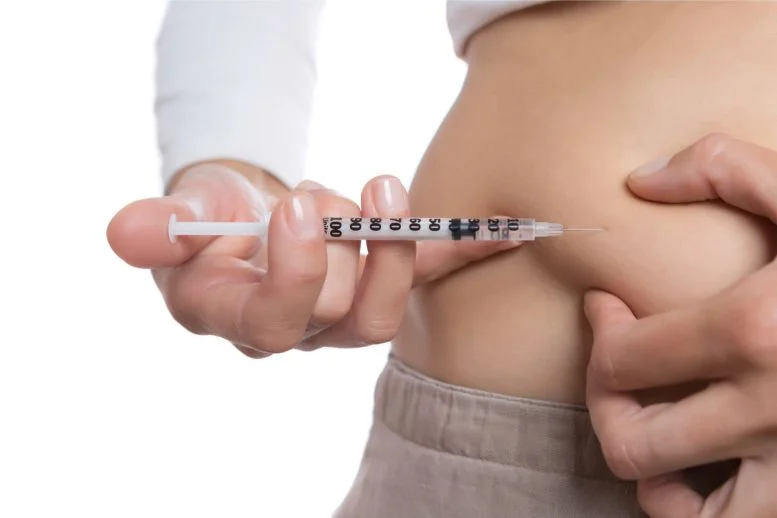
According to clinical guidelines and Anvisa’s official product indications, these once-weekly subcutaneous injections are prescribed for adults with type 2 diabetes mellitus whose blood sugar remains inadequately controlled despite lifestyle modifications.
Step 1: First-Line Intervention (Lifestyle modifications + oral Metformin)
   │
   └───► If blood sugar remains uncontrolled, or Metformin is contraindicated/not tolerated:
            │
            ▼
Step 2: Add Subcutaneous GLP-1 Receptor Agonist (e.g., Weekly Semaglutide Pen)
            │
            ▼
Step 3: Continuous Monitoring (HbA1c reduction, glycemic control, lifestyle support)
Clinical Note: While GLP-1 receptor agonists frequently induce weight loss as a secondary effect, these specific approvals target glycemic control in type 2 diabetes. They are meant to complement, not replace, structured medical nutrition therapy and routine physical exercise.
Public Health Impact in Brazil
An estimated 16.5 million adults in Brazil live with diabetes, making it one of the most impacted nations globally. Approximately one in three individuals with diabetes in Brazil remains undiagnosed, while millions of diagnosed patients struggle to achieve target blood glucose levels (HbA1c less than 7.0%) due to the high cost of brand-name GLP-1 therapies.
                 BRAZIL DIABETES LANDSCAPE
┌────────────────────────────────────────────────────────┐
│ Total Adult Population with Diabetes: ~16.5 Million     │
├───────────────────────────────┬────────────────────────┤
│ Diagnosed Patients            │ Undiagnosed Cases      │
│ ~11.5 Million (~70%)          │ ~5.0 Million (~30%)    │
└───────────────────────────────┴────────────────────────┘
“Opening the market to multiple competing manufacturers is the single most effective structural mechanism to lower retail prices for advanced biologics,” notes Dr. Carlos Eduardo Guimarães, an independent endocrinologist in São Paulo who was not involved in the regulatory reviews. “When cost barriers fall, adherence rates rise—ultimately preventing severe long-term complications like diabetic retinopathy, chronic kidney disease, and cardiovascular events.”
The Route to Public Access (SUS)
While private pharmacy availability is expected in the second half of 2026, inclusion in Brazil’s Unified Health System (Sistema Único de Saúde – SUS) requires an additional regulatory step. The Ministry of Health’s National Committee for Health Technology Integration (CONITEC) must evaluate cost-effectiveness alongside price ceilings set by the Drug Market Regulation Chamber (CMED). If recommended, millions of lower-income Brazilians who rely entirely on SUS could eventually gain zero-cost access to GLP-1 therapies.
Market Competition and Limitations
The regulatory shift in Brazil mirrors global trends as major biologic patents expire. Industry analysts estimate Brazil’s addressable GLP-1 market at roughly $1.8 billion annually. Domestic and international pharmaceutical giants—including Sandoz, Sun Pharma, and Hypera—are positioning production facilities to supply tens of millions of pens annually, which should prevent the chronic stockouts that previously plagued the country.
Key Considerations and Limitations
-
Real-World Data Monitoring: While bioequivalence was established through rigorous clinical testing prior to approval, post-marketing surveillance will be crucial to monitor real-world adverse events and manufacturing consistency across generic providers.
-
Gastrointestinal Side Effects: Patients starting synthetic semaglutide may experience transient nausea, vomiting, diarrhea, or constipation. Gradual dose escalation under clinical supervision remains necessary.
-
Strictly Prescription-Only: Health authorities emphasize that semaglutide products require a valid medical prescription and continuous supervision. Patients should never alter dosages or switch between brand formulations without consulting their physician.
What This Means for Patients
If you or a family member are currently managing type 2 diabetes in Brazil:
-
Consult Your Endocrinologist: Do not stop taking prescribed medications or switch to alternative semaglutide pens independently.
-
Verify Indication: Discuss whether a weekly GLP-1 injectable pen is clinically appropriate for your current blood sugar goals and medical history.
-
Prioritize Lifestyle Foundations: Pharmacological treatments deliver maximum efficacy when paired with balanced nutrition, weight management, and regular physical activity.
Medical Disclaimer: This article is for informational purposes only and should not be considered medical advice. Always consult with qualified healthcare professionals before making any health-related decisions or changes to your treatment plan. The information presented here is based on current research and expert opinions, which may evolve as new evidence emerges.
References
Primary Regulatory & News Sources
- https://www.reuters.com/legal/litigation/brazil-greenlights-five-new-injectable-diabetes-drugs-2026-07-29/