 0
0
 0
0
Published: June 2, 2026 | Updated: June 2, 2026
CHICAGO — Johnson & Johnson’s prostate cancer medication Erleada (apalutamide), when combined with hormone-blocking therapy administered six months before and six months after prostate surgery, significantly improves cancer elimination rates and reduces the risk of disease progression or death in men with high-risk localized or locally advanced prostate cancer. According to groundbreaking data from the landmark Phase 3 PROTEUS clinical trial presented Sunday at the American Society of Clinical Oncology (ASCO) 2026 annual meeting and simultaneously published in The New England Journal of Medicine, this new treatment approach could fundamentally change the standard of care.
The global study, which followed more than 2,000 patients for over five years, represents the largest trial ever conducted in the localized prostate cancer setting. For decades, oncologists have struggled to find a systemic drug regimen that reliably improves surgical outcomes for aggressive, early-stage prostate cancer. The PROTEUS trial provides the first definitive evidence that intervening early with a highly targeted combination therapy can dramatically delay the disease from returning or spreading.
Key Findings: Nine-Fold Improvement in Cancer Elimination
The PROTEUS trial enrolled 2,109 patients across 184 hospitals in 18 countries. All participants were diagnosed with high-risk localized or locally advanced prostate cancer and were scheduled to undergo a radical prostatectomy (surgical removal of the prostate gland). Patients were randomly assigned to receive either Erleada combined with standard androgen deprivation therapy (ADT) or a placebo with ADT. This systemic treatment was given for six months prior to surgery (neoadjuvant phase) and resumed for another six months after surgery (adjuvant phase).
The final analysis revealed a striking therapeutic advantage for the Erleada combination group across both short- and long-term clinical endpoints:
Efficacy Comparison: Erleada + ADT vs. ADT Alone
| Clinical Outcome | Erleada + ADT Regimen | Standard ADT + Placebo | Statistical Significance / Benefit |
| Pathologic Complete Response / Minimal Residual Disease | 8.9% | 1.0% | 9× higher likelihood of eliminating or minimizing tumor burden before surgery |
| 5-Year Metastasis-Free Survival (MFS) | 78.2% | 73.5% | 20% reduction in the risk of cancer spreading or death ($HR = 0.80$) |
| Median Time to Next Treatment | 74.2 months (~6.2 years) | 41.5 months (~3.5 years) | Nearly double the time spent free from subsequent cancer therapies |
| Event-Free Survival (EFS) | 57.1 months | 38.4 months | 29% reduction in the risk of disease recurrence or death ($HR = 0.71$) |
“The patient benefit here is unequivocal,” said Mark Wildgust, Ph.D., vice president of global medical affairs for oncology at J&J’s Janssen unit, in an interview. “The evidence is really showing that Erleada is adding something that we had not seen before. You can’t wait. If you give them standard ADT and wait to give them something afterward, these high-risk patients never catch up.”
Expert Commentary: A Potential Paradigm Shift
Medical experts who presented the data emphasize that the trial addresses a long-standing therapeutic gap. “These findings point to a new potential way of treating patients with high-risk localized or locally advanced prostate cancer,” said Yusri Elsayed, M.D., M.H.Sc., Ph.D., Global Therapeutic Area Head for oncology at Johnson & Johnson, during ASCO’s Sunday plenary session.
Carolyn Sousa, head of commercial strategy for solid tumors in EMEA for Johnson & Johnson, highlighted the operational timing of this approach. “This is the first time and the earliest that we’ve ever seen a product like apalutamide, which is called an ARPI [androgen receptor pathway inhibitor], being used in a perioperative setting. Instead of waiting six to eight weeks for a scheduled surgery, you give them treatment right away, and the surgical results are incredible.”
Dr. William Oh, a renowned genitourinary cancer expert who was not involved in the study, validated the study’s impact during an ASCO press briefing.
“This is a paradigm-shifting study. For decades, we have been trying to combine systemic therapy with surgery, and historically, it has never yielded a meaningful long-term outcome. The addition of apalutamide to androgen deprivation therapy clearly improves outcomes in surgical patients at high risk for relapse.”
Context: The Growing Prostate Cancer Burden
Prostate cancer remains the most frequently diagnosed malignancy among men in the United States, accounting for roughly 30% of all male cancer diagnoses. According to the American Cancer Society’s Cancer Facts & Figures 2026 report, an estimated 333,830 new cases will be diagnosed this year, and approximately 36,320 men will succumb to the disease.
While localized prostate cancer generally boasts a high five-year survival rate, up to 40% of newly diagnosed cases are classified as high-risk. For these individuals, the cancer cells are aggressive (often carrying a high Gleason score of 8 or above) or have begun invading local tissues. Historically, up to 50% of these high-risk patients experience a biochemical recurrence—a rise in prostate-specific antigen (PSA) levels indicating the cancer has returned—within five years of undergoing surgery.
Understanding the Treatment Approach
To understand why this combination works, it helps to look at how prostate cancer grows. Testosterone and other male hormones, known collectively as androgens, act as fuel for prostate cancer cells. Standard Androgen Deprivation Therapy (ADT) acts like a faucet turn-off, drastically lowering the body’s overall testosterone production.
Erleada (apalutamide), which initially received FDA approval in 2018 for advanced and metastatic prostate cancers, is an advanced androgen receptor pathway inhibitor (ARPI). It acts as a secondary line of defense by directly blocking the hormone receptors on the cancer cells themselves, effectively starving the tumor of any remaining trace hormones.
However, hormone suppression is not without challenges. ADT carries a well-documented profile of side effects, including:
-
Loss of libido and erectile dysfunction
-
Hot flashes and severe fatigue
-
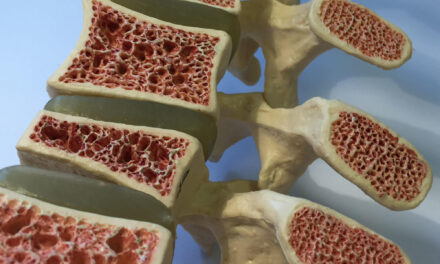
Loss of bone density and muscle mass
-
Increased risk of metabolic issues like diabetes and cardiovascular complications
By defining the Erleada and ADT combination as a fixed, one-year perioperative regimen (six months before surgery and six months after), the PROTEUS protocol aims to maximize cancer destruction during a critical window while sparing patients from indefinite hormonal therapy.
Study Limitations and Considerations
Despite the enthusiastic reception at ASCO, clinical experts urge a balanced interpretation of the data, noting several key limitations:
-
Increased Side Effect Profile: Intensifying treatment means managing more adverse events. In the PROTEUS trial, Grade 3 or 4 severe adverse events occurred in 39.6% of patients in the Erleada arm compared to 31.0% in the standard ADT arm. Discontinuation of the drug due to side effects occurred in 5.8% of Erleada patients versus 1.9% in the placebo group.
-
Lack of Direct Comparative Arms: Dr. William Oh noted that the study did not compare this surgical drug regimen directly against radiation therapy combined with hormone therapy, which is another common standard of care for high-risk patients. It also did not evaluate using Erleada alongside surgery alone without the ADT backbone.
-
Regulatory Status: While the data is landmark, Erleada is not yet approved by global regulatory agencies like the FDA or EMA for this specific, early-stage perioperative use. J&J has announced plans to submit these data to health authorities globally to expand the drug’s official indications.
What This Means for Patients
For individuals recently diagnosed with high-risk localized prostate cancer who are candidates for surgery, the PROTEUS trial offers an optimistic glimpse into the near future of personalized oncology. It expands options from a simple “surgery-only” mindset to a more proactive, combined-modality approach.
Patients navigating a new diagnosis should consider discussing the following targeted questions with their urologist or urologic oncologist:
-
Based on my PSA and Gleason score, is my prostate cancer considered “high-risk localized” or “locally advanced”?
-
Am I a suitable candidate for a perioperative drug regimen before undergoing a radical prostatectomy?
-
How do the potential long-term benefits of delaying metastasis via this approach weigh against the temporary side effects of a one-year hormone blocking regimen?
-
Are there open clinical trials or expanded access programs at our medical center utilizing ARPI medications like Erleada before surgery?
References
- https://www.reuters.com/business/healthcare-pharmaceuticals/jj-prostate-cancer-drug-reduces-risk-cancer-spread-death-late-stage-study-2026-05-31/
Medical Disclaimer: This article is for informational purposes only and should not be considered medical advice. Always consult with qualified healthcare professionals before making any health-related decisions or changes to your treatment plan. The information presented here is based on current research and expert opinions, which may evolve as new evidence emerges.