 0
0
 0
0
In a recent development, the Jharkhand Health Department has exonerated Chaibasa Sadar Hospital’s blood bank from responsibility in a case where a woman, her husband, and their elder child tested HIV-positive following her caesarean delivery in January 2023. Officials traced and tested the two blood donors, both of whom were negative for HIV, confirming the transfusion was not the source of infection. This ruling comes as public trust in blood safety remains fragile after prior thalassemia cases at the same facility raised alarms about screening protocols.
Incident Background
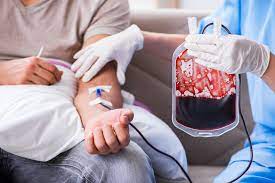
The controversy erupted when the family alleged that excessive bleeding during the woman’s C-section at Chaibasa Sadar Hospital in West Singhbhum district led to a transfusion of contaminated blood from the hospital’s blood bank. They claimed this exposure resulted in HIV transmission to the woman, her husband, and child. West Singhbhum Civil Surgeon Dr. Bharti Minj led the inquiry, which involved donor tracing—a process that verified no HIV positivity in the provided units.
This case echoes earlier incidents at the hospital. In October 2025, five thalassemia patients—children requiring frequent transfusions—tested HIV-positive, prompting state-wide probes and political outcry. Leader of Opposition Babulal Marandi demanded a CBI inquiry, citing “serious negligence” and questioning why the blood bank remained operational. While thalassemia investigations concluded without public disclosure of major faults, they highlighted persistent vulnerabilities in rural blood services.
Investigation Findings
Dr. Minj emphasized that both donors tested negative, definitively ruling out the blood bank as the vector in this instance. The Jharkhand State Drugs Directorate received related reports but withheld details pending review. A high-level committee under Health Department Special Secretary Neha Arora described thalassemia findings as not “very serious,” though a central team probe remains unreleased.
No evidence linked the family infections to hospital negligence here, but the probe underscores the importance of rapid donor follow-up. Officials noted HIV can spread through multiple routes beyond transfusions, such as unprotected sex or shared needles, which were not ruled out. This balanced probe approach restored some confidence while prompting calls for transparency.
Blood Safety Protocols in India
Indian blood banks must screen all donations for HIV, hepatitis B/C, syphilis, and malaria per National AIDS Control Organization (NACO) guidelines under the Drugs and Cosmetics Act. Standard tests include ELISA for HIV antibodies, but experts advocate mandatory Nucleic Acid Testing (NAT) to detect the virus in its 5-10 day “window period” when antibody tests fail. Currently, NAT is available only at select centers like RIMS Ranchi, leaving many facilities reliant on less sensitive methods.
NACO promotes voluntary low-risk donors and private risk assessments to minimize transfusion-transmitted infections (TTIs). In Jharkhand, state AIDS society guidelines emphasize donor counseling, record-keeping, and confidentiality. Despite improvements, gaps persist: replacement donors (family/friends) often hide risks, and rural banks like Chaibasa’s face staffing shortages.
National Context and Statistics
HIV transmission via blood transfusion is rare in India, accounting for less than 1% of cases nationally. NACO data shows a decline from higher figures pre-1998, with risk now at 1 in 1.5-2 million screened units. However, historical lapses are notable: 1,342 cases in 2018-19, mostly in states like Uttar Pradesh and Maharashtra. Thalassemia patients, needing 20-25 transfusions yearly, face amplified risks from cumulative exposures.
In Jharkhand’s West Singhbhum, 515 HIV cases exist alongside 56 thalassemia patients, straining local resources. Chaibasa’s audit post-thalassemia cases found three HIV-positive donors among 259 traced (2023-2025), but causation remains unclear. Experts like Dr. Ishwar Gilada, President Emeritus of AIDS Society of India, warn of “policy paralysis” without nationwide NAT and audits.
Expert Perspectives
Dr. Sangeeta Pathak, Secretary General of the Indian Society of Blood Transfusion, calls the Chaibasa incidents “concerning” despite low overall risk, urging pathogen reduction tech and compliance. “Clustering of HIV in thalassemic children indicates systemic lapses in regulation and monitoring,” says Dr. Neeraj Nischal, Additional Professor at AIIMS Delhi. He recommends digital traceability and accountability.
Dr. Gilada stresses urgency: “By radical reform using latest technology, India can eliminate these preventable failures.” Thalassemia advocate Deepak Chopra labels it a “breach of protocol,” pushing for independent oversight. These voices, uninvolved in probes, highlight the need for reforms beyond exonerations.
Public Health Implications
This clearance reassures on isolated cases but amplifies calls for robust safeguards. Frequent transfusion recipients—like pregnant women or thalassemia patients—benefit most from enhanced screening, reducing TTI fears. Public education on donor honesty and alternatives like autologous donation can build trust.
Nationally, it prompts scaling NAT, voluntary camps, and rural infrastructure. Jharkhand’s blood bank audits signal progress, but enforcement is key to preventing repeats. Patients should verify bank licensing and discuss risks with providers.
Limitations and Counterpoints
Probes relied on donor tests, but window-period infections could evade detection without NAT. Family allegations persist without alternative transmission proof, fueling skepticism. Thalassemia reports’ secrecy erodes transparency, as Marandi notes. Rural challenges—limited labs, professional donors—persist despite guidelines.
No definitive hospital fault here doesn’t negate past lapses; Chaibasa operated without license post-2023 in some accounts. Broader data gaps, like self-reported NACO figures, limit full assessment.
Medical Disclaimer: This article is for informational purposes only and should not be considered medical advice. Always consult with qualified healthcare professionals before making any health-related decisions or changes to your treatment plan. The information presented here is based on current research and expert opinions, which may evolve as new evidence emerges.
References
-
Medical Dialogues. “Jharkhand Health Dept clears Chaibasa hospital blood bank in HIV transmission case.” January 2026. https://medicaldialogues.in/news/health/hospital-diagnostics/jharkhand-health-dept-clears-chaibasa-hospital-blood-bank-in-hiv-transmission-case-163874