 0
0
 0
0
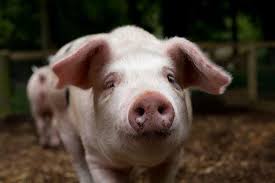
FUJINOMIYA, Japan — Health and agricultural authorities in Japan are on high alert following the confirmation of the nation’s fourth classical swine fever (CSF) outbreak of 2026. The Shizuoka Prefectural Government confirmed Tuesday that a pig farm in the city of Fujinomiya tested positive for the highly contagious virus, necessitating the culling of approximately 2,900 animals.
The announcement comes after farm workers reported the sudden deaths of 50 piglets on May 4. Genetic testing by local livestock hygiene centers and subsequent confirmation by the central government on May 5 solidified the diagnosis. This latest incident follows a prior outbreak in the same city in March and a separate case in Miyazaki Prefecture in April, signaling persistent disease pressure across Japan’s livestock infrastructure.
Understanding the Outbreak: Key Findings
Classical swine fever, often referred to as “hog cholera,” is a viral disease that affects domestic and wild pigs. While it poses a severe threat to animal populations and the agricultural economy, international health bodies emphasize a crucial distinction for the public: CSF is not a zoonotic disease.
“The most important point for the general public is that classical swine fever does not infect humans,” says the World Organisation for Animal Health (WOAH). “It is a disease of swine, not a food safety risk to people.”
Despite the lack of direct human health risk, the Shizuoka case is significant due to its scale and location. Fujinomiya, situated near the base of Mount Fuji, is a key agricultural hub. The culling of nearly 3,000 pigs represents one of the largest single-site losses this year, underscoring the virulence of the current strain.
The Science of Spread: Biosecurity Gaps
Japan has struggled with CSF re-emergence since 2018, ending a 26-year streak of being disease-free. Epidemiological studies, including a retrospective analysis in Frontiers in Veterinary Science, suggest that the virus often exploits “fomites”—inanimate objects such as truck tires, boots, and shared equipment—to move between farms.
The virus is shed through an infected animal’s saliva, urine, and feces. It is remarkably resilient, capable of surviving for months in refrigerated pork and even longer in frozen products. This environmental stability makes “biosecurity”—the physical and procedural barriers used to keep pathogens out—the primary line of defense for farmers.
Core Biosecurity Measures Include:
-
Hygiene Locks: Strict protocols for changing clothes and footwear before entering stables.
-
Wildlife Exclusion: Robust fencing to prevent contact between domestic herds and wild boars, which act as natural reservoirs for the virus.
-
Transport Sanitation: Rigorous disinfection of vehicles moving between different agricultural sites.
Public Health and Economic Implications
While the virus doesn’t make people sick, its impact is felt at the grocery store and in the national economy. Outbreaks lead to:
-
Supply Chain Disruption: Mass culling can lead to localized pork shortages and price volatility.
-
Trade Restrictions: International trade partners often suspend imports from affected regions to protect their own livestock industries.
-
Animal Welfare Concerns: The high mortality rate and the necessity of large-scale depopulation present significant ethical and emotional challenges for the farming community.
In 1997, a major CSF outbreak in the Netherlands led to the destruction of 11 million pigs, costing the economy an estimated $2.3 billion. While the current situation in Japan is far more contained, the frequency of cases in 2026—four in just five months—suggests that the virus has established a foothold in wild boar populations, making complete eradication difficult.
Expert Perspectives: “Not a Technical Term, a Daily Practice”
Veterinary experts argue that the term “biosecurity” needs to be demystified for the broader public and farm workers alike.
“Biosecurity isn’t just a high-tech concept; it’s about simple, consistent barriers,” notes guidance from the Irish Department of Agriculture. “It’s the livestock equivalent of handwashing and social distancing. When a virus is circulating in the wild, even a small lapse—like a visitor not changing their boots—can trigger a million-dollar loss.”
Limitations and the Road Ahead
A key challenge in managing these outbreaks is the “epidemiological lag.” It often takes weeks for investigators to determine the precise route of introduction. In the Shizuoka case, it remains unclear whether the virus was introduced via contaminated feed, wildlife contact, or human movement.
Furthermore, authorities caution the public not to confuse Classical Swine Fever with African Swine Fever (ASF). While both are devastating to pigs and look similar clinically, they are caused by different virus families. ASF is currently more widespread globally and has no effective vaccine, whereas CSF can be managed through strategic vaccination programs in endemic areas.
What This Means for You
-
For Consumers: Continue to purchase pork from reputable sources. There is no risk of contracting CSF from eating cooked pork.
-
For Travelers: Observe “shoe baths” and disinfection stations at airports and near agricultural zones. Avoid bringing pork products across international borders.
-
For Farmers: Report any signs of lethargy, fever, or sudden death in herds immediately. Speed of reporting is the single most effective way to prevent a local case from becoming a national crisis.
Medical Disclaimer: This article is for informational purposes only and should not be considered medical advice. Always consult with qualified healthcare professionals before making any health-related decisions or changes to your treatment plan. The information presented here is based on current research and expert opinions, which may evolve as new evidence emerges.
References
- https://nagalandpost.com/japan-reports-4th-swine-fever-outbreak-this-year/