 0
0
 0
0
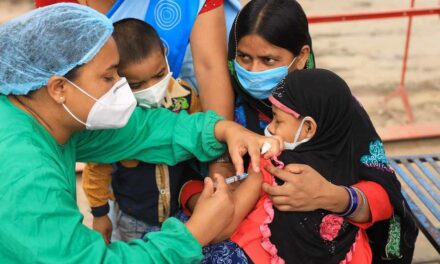
JAMSHEDPUR, INDIA — Following a string of tragic fatalities among minors in the East Singhbhum district of Jharkhand, regional authorities have launched a formal, high-level medical investigation. The probe, ordered by District Deputy Commissioner Rajeev Ranjan, comes in response to the confirmed deaths of four children from cerebral malaria—a highly severe and rapid-onset neurological complication of the disease—along alongside two additional deaths linked to mixed parasitic infections. The investigative panel has been tasked with assessing potential lapses in localized healthcare delivery and identifying systemic gaps to prevent further outbreaks in the region.
The surge has heavily impacted the Potka block of East Singhbhum, which has emerged as the epicenter of a broader regional spike that has seen more than 1,700 malaria cases diagnosed in a short span. While local administrative reports indicate the outbreak is beginning to stabilize due to targeted interventions, unconfirmed local reports suggest the true mortality toll may be higher than the officially recognized cases. The three-member investigative team, led by Additional District Magistrate Mukesh Machhua, includes Dr. Ranjit Panda, medical officer in charge at Sadar Hospital, and Dr. Asad, an epidemic diseases expert with the Integrated Disease Surveillance Programme (IDSP). The panel is expected to submit a actionable roadmap to accelerate time-bound treatments within the week.
The Pathophysiology of a Medical Emergency
Malaria is typically classified as an acute febrile illness caused by Plasmodium parasites transmitted through the bites of infected female Anopheles mosquitoes. While several parasite species infect humans, Plasmodium falciparum is notorious for its ability to rapidly progress into severe, life-threatening clinical states.
When an infection is left untreated, P. falciparum causes red blood cells to stick to the walls of small blood vessels. When this sticky blockage occurs in the brain, it triggers cerebral malaria. According to the World Health Organization (WHO), this condition is a profound medical emergency characterized by altered consciousness, delirium, generalized seizures, and coma. If appropriate antimalarial intervention is not initiated within 24 hours of symptom onset, the disease is frequently fatal.
Children under the age of five are biologically the most vulnerable population. Because their immune systems have not yet developed partial immunity to the parasite, the progression from a standard fever to severe neurological dysfunction can occur in a matter of hours.
Regional Context vs. National Progress
The crisis in East Singhbhum unfolds against a complex epidemiological backdrop. Over the last decade, India has made significant strides in reducing its national malaria burden, achieving substantial declines in both overall case counts and annual mortalities. According to the WHO World Malaria Report, India has historically carried the highest malaria burden in the South-East Asia region, making its recent progress a major public health achievement.
However, localized surges like the one in Jharkhand highlight the persistent challenges of sub-national elimination. High mosquito density during monsoon periods, combined with remote geographies, can create micro-hotspots where transmission rates skyrocket, overwhelming local primary health centers.
Expert Perspectives: The Imperative of Speed
Public health authorities emphasize that managing severe malaria relies on a single crucial factor: speed.
Independent medical experts note that while laboratory confirmation via rapid diagnostic tests (RDTs) or blood smears is preferred, clinical stabilization should never be delayed if a patient displays clear neurological warning signs in an endemic zone. The Centers for Disease Control and Prevention (CDC) clinical guidance specifies that severe malaria requires immediate hospitalization and the administration of continuous intravenous (IV) antimalarial medications, such as artesunate, rather than oral therapies.
“In high-transmission areas, we cannot treat a high fever as a routine seasonal illness,” says Dr. Amit Kumar, an independent public health consultant specializing in vector-borne diseases. “Symptoms like extreme lethargy, persistent vomiting, refusal to feed in infants, confusion, or breathing difficulties are critical red flags. Waiting even 12 hours to see if a fever goes away can be the difference between a full recovery and irreversible organ dysfunction.”
Investigative Challenges and Systemic Limitations
The appointed three-member panel faces the difficult task of parsing data amid conflicting local reports. Discrepancies between official mortality numbers and community reports are common during rural outbreaks.
Public health experts point out that verifying a malaria death requires strict diagnostics. Febrile illnesses like dengue, typhoid, and Japanese encephalitis often circulate concurrently during the monsoon season, meaning fever alone does not confirm malaria. Furthermore, cases involving “mixed malaria”—where a patient is co-infected with both P. falciparum and P. vivax—can cloud the clinical picture, presenting unique diagnostic challenges for rural health workers.
The investigation will examine whether the recent deaths were caused by a delay in families seeking care, shortages of diagnostic kits at the village level, or a breakdown in emergency referral pathways to larger secondary care facilities.
Practical Lessons for Communities and Health Systems
For health-conscious consumers and families living in vector-borne disease zones, the immediate takeaway is the rejection of self-medication. Any sudden onset of fever, chills, or severe body aches requires immediate evaluation at a certified health facility. Environmental mitigation—such as utilizing insecticide-treated bed nets (ITNs), eliminating stagnant water around households, and applying indoor residual spraying—remains the baseline defense against transmission.
For the broader healthcare infrastructure, the situation in Jharkhand serves as a reminder that malaria elimination cannot rely solely on preventive tools. True control requires a resilient care continuum:
-
Supplies: Uninterrupted pipelines of rapid diagnostic tests and first-line intravenous therapeutics at the outermost primary health posts.
-
Training: Continuous training for community health workers to spot early danger signs.
-
Logistics: Reliable emergency transport systems capable of moving critically ill children to intensive care units without delay.
The findings of the East Singhbhum probe are expected to provide an immediate framework for reforming clinical protocols across Jharkhand’s remaining high-risk districts before the current transmission season peaks.
References
-
Health.economictimes.indiatimes.com. Team formed to probe into cerebral malaria deaths in Jharkhand’s East Singhbhum. Published July 17, 2026. Source for local administrative directives and investigator appointments.
Medical Disclaimer: This article is for informational purposes only and should not be considered medical advice. Always consult with qualified healthcare professionals before making any health-related decisions or changes to your treatment plan. The information presented here is based on current research and expert opinions, which may evolve as new evidence emerges.