 0
0
 0
0
PATNA, BIHAR — In a development that has sent ripples through India’s medical education and public health sectors, Bihar Police arrested 30 individuals in Lakhisarai district on Sunday during the National Eligibility cum Entrance Test (NEET-UG) re-examination. Authorities reported uncovering a sophisticated, interstate “solver gang” racket that allegedly deployed current MBBS students, biometric tech staff, and dummy candidates to systematically bypass high-security exam protocols.
The operation, which officials say resulted in catching nine impersonators actively writing exams for original candidates, strikes at the heart of the country’s medical selection process. While typically categorized as a law-and-order issue, medical education experts emphasize that the integrity of high-stakes testing is fundamentally a public health concern, serving as the primary gatekeeper for the quality and trustworthiness of future clinical care.
The Anatomy of the Alleged Operation
According to statements from the Bihar Police and Lakhisarai district officials, the network managed to breach what was supposed to be a heavily fortified, layered verification system. The operation reportedly relied on a combination of forged identity documents, identification-based impersonation, and critical inside assistance.
Investigators revealed that the 30 arrested individuals comprised a highly organized division of labor:
-
9 Impersonators (“Solvers”): Alleged to be current MBBS students from various medical colleges across Bihar and neighboring states.
-
18 Biometric Employees: Contracted external staff allegedly hired to manipulate or look the other way during identity verification.
-
2 Helpers and 1 Original Candidate: Individuals accused of facilitating logistics and coordinating matchups.
Police sources indicate that this was not an isolated local fraud, but rather a lucrative, coordinated interstate network. Financial transactions discussed in initial police inputs suggest that families of candidates allegedly agreed to payouts ranging widely from ₹20 lakh to even higher amounts per seat, depending on the targeted medical institution.
Why Medical Exam Fraud is a Public Health Issue
For the general public, an exam scandal may look like a simple story of academic cheating. However, in health journalism and systemic analysis, the implications run far deeper. The NEET-UG serves as the sole gateway for entering undergraduate medical courses in India. It is designed to ensure that only individuals with the necessary aptitude and foundational knowledge enter the medical workforce.
When coaching networks and solver gangs distort this system, it creates a dual crisis for public health:
1. The Erosion of Clinical Quality
Medical education is notoriously rigorous. If individuals bypass the foundational entry barrier through financial leverage rather than merit, it risks introducing candidates into the healthcare pipeline who lack the academic preparation required to navigate complex clinical training. Ultimately, the quality of patient care 10 to 15 years down the line depends entirely on the selection standards enforced today.
2. The Early Compromise of Professional Ethics
Perhaps the most troubling layer of the Lakhisarai bust is the alleged involvement of current MBBS students as “solvers.”
“Trust in medicine is not a switch that flips upon graduation,” notes an independent medical ethics analyst. “It begins the moment a student enters training. When future doctors engage in institutional fraud, it compromises the core ethical framework of the profession long before they ever see a patient.”
Systemic Vulnerabilities and Expert Perspectives
The fact that this breach occurred during a highly scrutinized re-examination—where testing authorities had allegedly deployed heightened surveillance and advanced biometric check-ins—demonstrates that technology alone cannot secure exam infrastructure without strict administrative oversight.
Independent medical education analysts point out that while biometric verification is an excellent tool on paper, it introduces a human vulnerability: the third-party vendors contracted to manage the technology.
Moving forward, regulatory bodies are expected to face mounting pressure to implement tighter vendor oversight, multi-factor identity audits, and independent background checks for all temporary tech staff deployed at sensitive centers.
Limitations of Current Reports
As an evidence-based news publication, it is vital to separate early investigative allegations from finalized legal facts. The current details surrounding the Lakhisarai arrests are based primarily on initial police briefings, field arrests, and media summaries.
A formal charge sheet has not yet been filed in court, and a complete forensic review of the seized biometric equipment and financial trails is still underway. Historically, early numbers regarding the exact breakdown of arrests and rumored payout amounts can fluctuate as deep-dive investigations progress. Until the judicial system evaluates the evidence, the individuals held remain accused rather than convicted.
What This Means for Consumers and Students
For ordinary citizens and health-conscious consumers, this development does not change daily healthcare decisions or personal wellness behaviors. However, it serves as a critical reminder of how deeply public welfare relies on the institutional integrity of medical regulatory bodies.
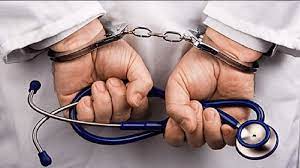
For honest aspirants and their families, the news is understandably frustrating but highlights a positive trend: increased vigilance is successfully catching sophisticated fraud that may have previously gone unnoticed. For the broader public, ensuring clean, transparent, and uncompromised medical admissions is the very first safeguard in guaranteeing that the physician holding the stethoscope in the future is truly qualified to care for your family.
References
- https://medicaldialogues.in/state-news/bihar/neet-solver-gang-busted-in-bihar-30-arrested-including-mbbs-students-9-attempted-to-appear-as-dummy-candidates-173494
Medical Disclaimer: This article is for informational purposes only and should not be considered medical advice. Always consult with qualified healthcare professionals before making any health-related decisions or changes to your treatment plan. The information presented here is based on current research and expert opinions, which may evolve as new evidence emerges.