 0
0
 0
0
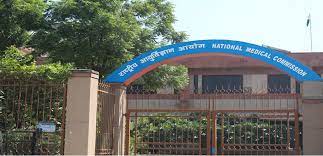
NEW DELHI — In a decisive move to address the chronic shortage of specialist doctors in India, the National Medical Commission (NMC) officially opened its online application portal today, March 2, 2026. The initiative invites medical institutions across the country to apply for new postgraduate (PG) courses, the establishment of standalone PG institutes, and the expansion of existing seat capacities for the 2026-27 academic year.
This regulatory push, announced by the Medical Assessment and Rating Board (MARB), marks a critical phase in India’s multi-year strategy to bridge the gap between undergraduate (MBBS) graduates and available specialist training slots. With the application window set to close on March 31, 2026, the healthcare landscape is bracing for a significant influx of MD, MS, and DM candidates in the coming years.
Expanding the Pipeline: By the Numbers
The 2026-27 expansion follows a period of unprecedented growth in medical education. According to NMC data, India added 8,416 new PG seats in the 2025-26 cycle alone, bringing the national total to 58,331—an 11.33% year-over-year increase.
Since 2020, the country has successfully added over 29,080 seats. However, the demand remains staggering. With approximately 228,000 MBBS graduates entering the workforce annually, the ratio of undergraduate to postgraduate seats remains roughly 4:1. This bottleneck has historically fueled intense competition and prompted many young doctors to seek specialization abroad.
Key Application Requirements for Institutions
To ensure that quantity does not come at the cost of quality, the NMC has instituted rigorous compliance standards under the Postgraduate Medical Education Regulations, 2023 (PGMER-2023). Institutions seeking expansion must provide:
-
Valid Consent of Affiliation (CoA): A single-use document from a university with three-year validity.
-
Verified Faculty Attendance: At least 75% attendance must be recorded via the Aadhaar Enabled Biometric Attendance System (AEBAS).
-
Financial Guarantees: Private colleges must furnish electronic bank guarantees (e.g., ₹2 crore for up to four new seats).
-
Clinical Authenticity: Strict mandates against “fake patients”—admissions without genuine medical investigations—which can lead to immediate disqualification.
The Rise of Standalone PG Institutes
One of the most significant shifts in this year’s notice is the emphasis on standalone PG institutes. Historically, PG courses were largely tethered to established undergraduate medical colleges. By allowing government hospitals to function as standalone PG training centers, the NMC aims to leverage existing clinical workloads in district hospitals that lack a full MBBS infrastructure.
“This is a pragmatic optimization of our resources,” says Dr. Rajeev Sood, a public health expert and former NMC member. “Standalone institutes can turn high-volume district hospitals into centers of excellence for specialist training. However, the litmus test will be faculty retention. You can build the beds, but you must have the mentors to teach the medicine.”
What This Means for Public Health
For the average Indian citizen, a “specialist surge” is not just a policy metric—it is a matter of life and death. Non-communicable diseases (NCDs), such as heart disease and diabetes, currently account for approximately 63% of deaths in India. Managing these conditions requires a robust workforce of cardiologists, endocrinologists, and nephrologists.
Potential Benefits for Patients:
-
Reduced Wait Times: An increase in anesthesiologists and surgeons directly correlates to shorter waiting lists for elective and life-saving surgeries.
-
Rural Access: By upgrading 157 district hospitals to medical colleges or PG centers, the government aims to place specialists closer to rural populations, reducing the need for patients to travel hundreds of miles to urban “super-specialty” hubs.
-
Specialized Emergency Care: New seats in emergency medicine and radiology will bolster the “Golden Hour” response for trauma and stroke patients.
Challenges: Quality Control and Urban Bias
Despite the optimistic trajectory, critics and education consultants urge caution. A primary concern is the “Urban-Metropolitan Cluster” effect.
“Under the PGMSR-2024 standards, clinical workload mandates are tougher, which is good for training,” explains Dr. Nandini Gokul, a medical education consultant. “However, without specific incentives for rural service, these new seats tend to cluster in private urban colleges. We risk creating a surplus of specialists in Delhi or Mumbai while the rural health centers remain vacant.”
Furthermore, the “fake patient” phenomenon remains a shadow over rapid expansion. To combat this, the NMC has moved toward hybrid inspections—using a mix of physical visits and virtual monitoring—to ensure that the patient numbers reported by hospitals reflect real clinical cases rather than “staged” admissions for the sake of inspectors.
Looking Ahead: Advice for Stakeholders
As the March 31 deadline approaches, the medical community is on high alert.
-
For Aspiring Doctors: Students should monitor the NMC portal closely following the April assessment period. Based on current trends, an additional 5,000 to 8,000 seats could be added to the seat matrix for the 2026-27 counseling session.
-
For Medical Institutions: Precision in documentation is paramount. The NMC has clarified that “work-in-progress” infrastructure will result in rejected applications. Faculty must be registered on the AEBAS portal within 15 days of the application submission.
-
For Policymakers: Experts suggest that the next step must involve improving working conditions and legal protections for residents to ensure that newly created seats in high-stress specialties, like neurosurgery or emergency medicine, do not go vacant.
The expansion of PG medical education is a vital pillar of India’s “Atmanirbhar” (self-reliant) healthcare vision. If quality controls hold firm, 2026 could mark a turning point in the nation’s journey toward providing specialist care for its 1.4 billion citizens.
Would you like me to analyze the regional distribution of these new seats once the preliminary application data is released?
Medical Disclaimer
This article is for informational purposes only and should not be considered medical advice. Always consult with qualified healthcare professionals before making any health-related decisions or changes to your treatment plan. The information presented here is based on current research and expert opinions, which may evolve as new evidence emerges.
References
- https://medicaldialogues.in/health-news/nmc/nmc-invites-applications-for-new-pg-medical-courses-standalone-pg-institutes-seat-increase-for-2026-27-check-complete-details-165589