 0
0
 0
0
Nearly 90% of Indian adults harbor at least one abnormal blood lipid marker, according to a landmark nationwide analysis published in the Journal of Clinical Lipidology. Drawing from a rigorous sample of 23,665 participants across the Indian Council of Medical Research–India Diabetes (ICMR-INDIAB) national survey, the findings illuminate a pervasive cardiometabolic threat hiding in plain sight. Because high cholesterol and elevated triglycerides rarely trigger physical warnings until cardiovascular damage is well underway, public health experts are urging immediate shifts toward early, population-wide lipid screening.
Decoding the Findings: A Nationwide Epidemic
The ICMR-INDIAB study reveals that lipid imbalances—known medically as dyslipidemia—are no longer confined to high-risk clinical populations. Instead, they represent a widespread baseline feature across urban and rural demographics alike, even among individuals who appear outwardly healthy.
The investigation highlighted three main lipid abnormalities:
-
Low HDL Cholesterol: The most rampant condition, present in 66.8% of adults. High-density lipoprotein (HDL) serves as a circulatory scavenger, collecting excess cholesterol and returning it to the liver for clearance.
-
Elevated LDL Cholesterol: Found in 49.4% of participants. Low-density lipoprotein (LDL) delivers cholesterol to body tissues, but in excess, it infiltrates arterial walls.
-
High Triglycerides: Recorded in 29.5% of adults. Triglycerides represent unused calories stored as fat; elevated levels frequently track with insulin resistance and metabolic dysfunction.
Regional Variations Across India
The burden of dyslipidemia exhibits noticeable geographic disparities. Rates peaked in Central India at 89.1%, while the North-East region recorded the lowest prevalence at 85.3%.
Even at its lowest regional threshold, the prevalence of lipid abnormalities remains extraordinarily high by international public health benchmarks.
| Region | Lipid Abnormality Prevalence | Key Epidemiological Factors |
| Central India | 89.1% | Rapid urban transition, shifting dietary patterns |
| North-East India | 85.3% | Varying dietary staples and physical activity baselines |
| National Average | ~90.0% | Clustering with rising BMI, diabetes, and hypertension |
Why Blood Lipids Matter: The Science of Silent Vascular Damage
To understand the public health implications, it helps to review how lipids interact with the circulatory system:
-
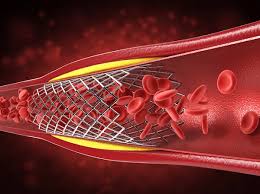
Pathology of Atherosclerosis: Excess LDL particles cross the delicate lining of blood vessels, triggering an inflammatory response that leads to fatty plaque deposits. Over time, these deposits narrow the arteries—a process called atherosclerosis.
-
The “Traffic Jam” Analogy: Cholesterol plaque behaves like slow-moving construction debris on a highway. The road remains open for a long time without causing visible delays, but as debris accumulates, capacity shrinks until a sudden spill completely blocks traffic, triggering a heart attack or stroke.
-
The Asymptomatic Trap: Unlike hypertension, which may occasionally manifest as headaches, or diabetes, which can cause thirst and fatigue, dyslipidemia is completely silent.
“You don’t feel high cholesterol or triglycerides the way you feel chest pain,” notes Dr. V. Mohan, Chairperson of the Madras Diabetes Research Foundation and senior co-author of the study. He emphasizes that this quiet accumulation of plaque is precisely what makes early detection critical.
Broader Patterns: Genetics, Lifestyle, and Metabolic Clusters
The new ICMR-INDIAB analysis aligns with prior research published in the Indian Heart Journal, which tracked a gradual, decades-long rise in blood lipid levels across the subcontinent. Researchers note that South Asian populations often present a unique atherogenic profile characterized by low HDL, elevated triglycerides, and small, dense LDL particles—even at lower body mass index (BMI) thresholds than Western populations.
However, genetics alone cannot account for the rapid scale of this crisis. The clustering of lipid abnormalities with rising BMI, sedentary lifestyles, and diets heavy in refined carbohydrates and saturated fats highlights clear environmental drivers. As economic development reshapes work and dining habits across India, metabolic risk factors are intensifying simultaneously.
Public Health and Clinical Implications
Given that dyslipidemia affects roughly nine out of ten adults, clinicians caution against viewing cholesterol management as an isolated issue for specialized heart patients.
Actionable Priorities for Healthcare and Patients
-
Routine Early Screening: Lipid panels should not be deferred until middle age or until symptoms develop. Screening ought to begin in early adulthood, particularly for individuals with a family history of premature heart disease, high blood pressure, or diabetes.
-
Comprehensive Risk Assessment: A single abnormal lipid number does not automatically mean a patient requires immediate statin therapy. Doctors evaluate overall cardiovascular risk, factoring in age, smoking status, blood pressure, kidney function, and blood sugar levels.
-
Targeted Lifestyle Modifications: Interventions focusing on weight management, aerobic exercise, reduced intake of trans/saturated fats, and increased dietary fiber remain the foundational first line of defense.
Study Limitations and Context
While the ICMR-INDIAB survey provides one of the most robust datasets on Indian cardiometabolic health to date, epidemiological findings carry inherent scientific limitations:
-
Observational Design: The study establishes strong statistical associations across populations, but it cannot prove direct cause-and-effect relationships for every individual patient.
-
Methodological Variables: Lipid measurements can fluctuate based on fasting duration, laboratory assays, and seasonal diet changes.
-
Need for Longitudinal Tracking: Researchers emphasize the necessity of ongoing national surveillance to observe how these lipid trends directly impact long-term cardiovascular mortality over the coming decades.
Practical Takeaways for Daily Health
The overarching message from experts is one of proactive prevention rather than alarmism. Because lipid imbalances accumulate silently, waiting for physical warning signs is an unsafe strategy. Standard blood tests remain one of the simplest, most accessible medical tools to map cardiovascular risk early. When identified promptly, abnormal lipid profiles are highly manageable through a tailored blend of lifestyle adjustments and, when indicated, evidence-based medication.
References
- https://indianexpress.com/article/health-wellness/indias-bad-cholesterol-crisis-icmr-study-says-nearly-9-in-10-adults-have-abnormal-levels-10793652/
Medical Disclaimer: This article is for informational purposes only and should not be considered medical advice. Always consult with qualified healthcare professionals before making any health-related decisions or changes to your treatment plan. The information presented here is based on current research and expert opinions, which may evolve as new evidence emerges.