 0
0
 0
0
NEW DELHI — The Government of India is launching the eighth edition of Poshan Pakhwada today, April 9, 2026, marking a significant shift in the nation’s nutritional strategy. Running through April 23, the 15-day intensive campaign moves beyond basic caloric intake to target a sophisticated frontier: the neurological future of the country.
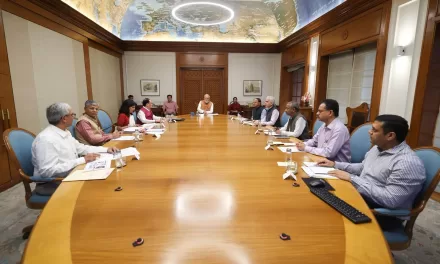
Under the theme “Maximising Brain Development in the First Six Years of Life,” the initiative positions optimal nutrition, responsive caregiving, and play-based learning as the primary pillars for building a cognitively resilient generation. The national launch, held at Vigyan Bhavan under the leadership of Union Minister for Women and Child Development Annpurna Devi, underscores that early childhood development is no longer just a healthcare focal point, but a critical national development priority.
The Science of the “First Six”: Why Timing is Everything
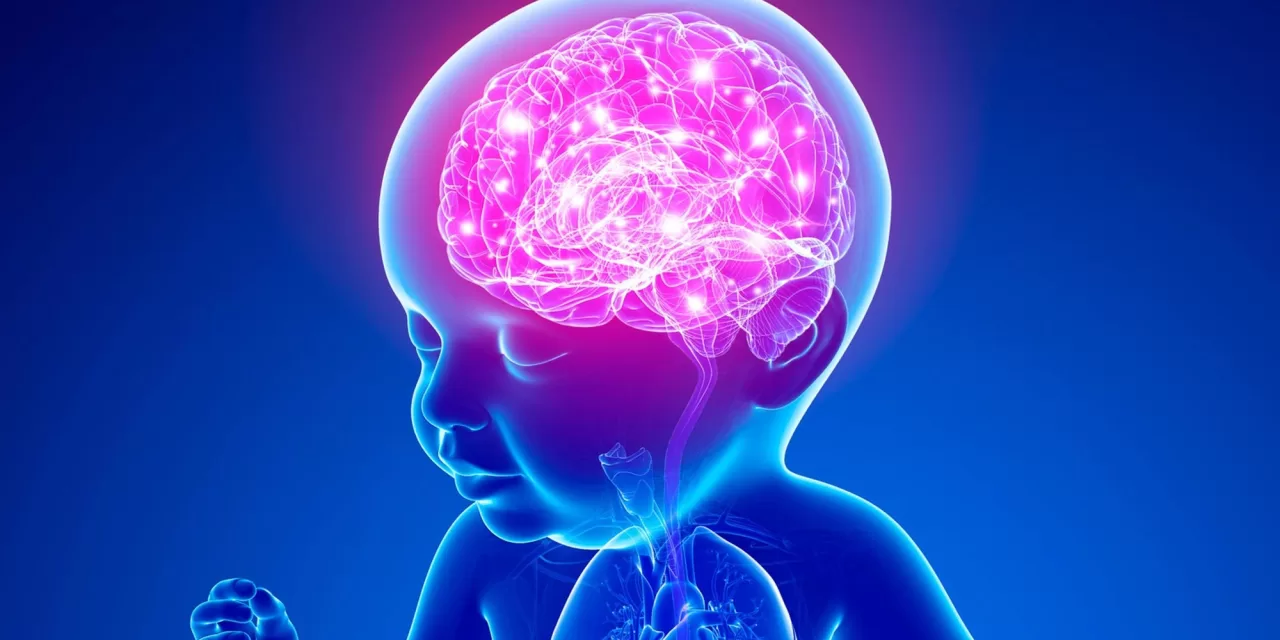
The central catalyst for this year’s theme is a staggering neurological fact: over 85% of cumulative brain development occurs before a child reaches the age of six. During this window, which spans from conception through the preschool years, the brain undergoes a period of unparalleled plasticity. It quadruples in size and forms millions of neural connections every single second. These connections—the “wiring” of the human brain—are highly sensitive to external inputs.
“The first 1,000 days—from conception to two years—are indeed the most sensitive window, but the period from two to six years is when the brain fine-tunes its functions and learning systems,” says Dr. Shweta Khandelwal, a prominent public health nutritionist. “If nutrition and stimulation lag during this specific phase, the economic, educational, and cognitive costs can last a lifetime.”
This biological reality is a cornerstone of the National Education Policy (NEP) 2020, which notes that foundational literacy and socio-emotional skills are predicated on the brain’s health during these early years. Studies by the World Bank suggest that children who receive adequate micronutrients and enriching experiences in this window demonstrate higher long-term productivity and stronger mental health profiles as adults.
A Multidimensional Strategy: Five Key Pillars
Poshan Pakhwada 2026 is rolling out through a massive network of Anganwadi centres and local bodies, focusing on five actionable levers:
-
Maternal and Micronutrient Security: Prioritizing iron, iodine, Vitamin A, and protein for pregnant women and young children to prevent developmental stunting.
-
Early Stimulation (0–3 Years): Promoting “serve-and-return” interactions—simple acts like singing, reading, and talking to infants—which act as “exercise” for developing neural pathways.
-
Play-Based Education (3–6 Years): Aligning with NEP 2020 to move away from rote memorization toward structured play that builds executive function.
-
The Digital Diet: Raising awareness about the displacement of human interaction by excessive screen time, which can hinder language acquisition in toddlers.
-
Infrastructure Strengthening: Upgrading Anganwadi centres to serve as hubs for both supplementary nutrition and early learning support.
Practical Implications for Families
For the average caregiver, the 2026 campaign translates into three daily pillars: what children eat, how they interact, and how they play. Public health experts stress that “stimulation” does not require expensive toys. Simple activities—naming objects during a meal, counting steps while walking, or storytelling in a native language—are scientifically proven to boost memory and language centers.
The campaign also issues a firm call to action regarding nutrition: introducing nutrient-dense, home-prepared complementary foods after six months of exclusive breastfeeding, rather than relying on processed, sugary snacks that offer “empty calories” devoid of the fats and minerals necessary for brain growth.
Challenges: Moving Beyond Awareness
Despite the robust scientific backing, policy analysts remain cautious about the “implementation gap.” In many rural and marginalized communities, the availability of a diversified diet remains a luxury.
“While the Pakhwada theme is evidence-based, its success will depend on how well it is adapted to local diets and cultural practices,” notes Dr. Anoop Misra, an endocrinologist and public health advocate. “A one-size-fits-all messaging campaign cannot replace community-specific counseling and actual access to nutrient-rich foods.”
Furthermore, some pediatricians warn against “milestone anxiety.” While the 85% figure is a vital guideline, the brain retains plasticity well into adolescence and adulthood. The campaign’s goal is to optimize the foundation, not to suggest that a child’s potential is “locked in” by their sixth birthday.
A Call to Action for Caregivers
As activities roll out nationwide, the Ministry of Women and Child Development is encouraging Jan Bhagidari (people’s participation). For parents and expectant mothers, the immediate takeaways are clear:
-
Prioritize Antenatal Care: Adhere to iron-folic acid and calcium supplementation to support fetal brain growth.
-
Limit Passive Screens: Replace “digital babysitters” with 30 minutes of dedicated, face-to-face play.
-
Engage with Anganwadis: Utilize local health check-ups and supplementary rations designed to bridge nutritional gaps.
By focusing on the “First Six,” Poshan Pakhwada 2026 aims to do more than fight hunger—it aims to fuel the cognitive engine of India’s future.
Medical Disclaimer: This article is for informational purposes only and should not be considered medical advice. Always consult with qualified healthcare professionals before making any health-related decisions or changes to your treatment plan. The information presented here is based on current research and expert opinions, which may evolve as new evidence emerges.
References
Government & Institutional Sources
-
Press Information Bureau (PIB), Government of India. National launch of 8th Poshan Pakhwada 2026 to focus on maximizing brain development in the first six years of life. April 8, 2026.
-
Ministry of Women and Child Development. POSHAN Abhiyaan / Mission Poshan 2.0 Framework and Guidelines. (Updated 2025).