 0
0
 0
0
NEW DELHI — Following a declaration by the World Health Organization (WHO) identifying a spike in Ebola cases in Central Africa as a Public Health Emergency of International Concern, India’s Union Health Ministry has initiated a comprehensive, nationwide review of its infectious disease defenses. In a high-level meeting chaired by Union Health Secretary Punya Salila Srivastava, central authorities directed states and Union Territories to intensify health screenings at all international airports, seaports, and land border crossings.
While federal health officials confirmed that no cases of Ebola have been detected within India to date, the government is taking proactive measures to prevent entry of the virus. The National Institute of Virology (NIV) in Pune has been designated as the primary testing laboratory, with standard operating procedures (SOPs) deployed to establish secondary testing centers across the country.
What Prompted the Health Alert?
The sudden change in India’s defensive posture stems directly from a May 16, 2026, declaration by the WHO. Global health officials sounded the alarm after an outbreak of the Bundibugyo strain of the Ebola virus showed clear indicators of cross-border transmission between the Democratic Republic of the Congo (DRC) and Uganda.
Data supplied by the WHO indicates that the outbreak is concentrated primarily within the Ituri Province of eastern DRC. The baseline figures illustrating the scale of the regional emergency include:
-
8 laboratory-confirmed cases of Ebola.
-
246 highly suspected cases under clinical evaluation.
-
80 suspected deaths tied to the rapid local transmission.
Because individuals can travel across continents within hours, international health agencies note that localized viral events require swift domestic interventions long before a pathogen crosses a country’s borders.
The Pathogen and the Nature of the Threat
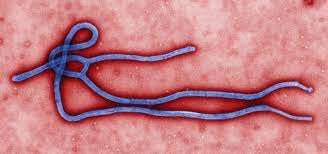
Ebola is a highly severe, often fatal viral illness. According to the Centers for Disease Control and Prevention (CDC), the virus is not airborne. Instead, it spreads via direct contact with the bodily fluids (such as blood, saliva, sweat, or vomit) of an infected person who is actively symptomatic or has deceased from the disease. It can also spread through contact with objects like needles or bedding contaminated with these fluids.
The incubation period—the time elapsed between exposure to the virus and the first appearance of symptoms—ranges from 2 to 21 days.
[Exposure] ─── (2 to 21 Days Incubation) ───> [Early Symptoms] ───> [Advanced Stage]
                                               - Fever              - Vomiting & Diarrhea
                                               - Sore Throat        - Internal/External Bleeding
                                               - Muscle Pain
Public health experts stress that a person infected with Ebola cannot transmit the virus to others until they begin showing physical symptoms.
Expert Insights: Why Screening Matters Despite Low Local Risk
Independent medical specialists agree that the primary objective of the newly introduced border mandates is early containment rather than a response to an immediate domestic threat.
“Infectious disease surveillance is most effective when it starts before a case enters the health system,” explained a senior infectious diseases physician operating at a large public hospital in New Delhi, speaking on the condition of anonymity. “For diseases like Ebola, the goal is not to create fear; it is to make sure border screening, isolation, referral, and laboratory testing can happen quickly if needed.”
However, specialists also note that entry-point screenings are not entirely foolproof. Because the early symptoms of Ebola—such as sudden fever, fatigue, and muscle aches—closely mimic highly common regional illnesses like malaria or standard viral seasonal fevers, thermal border scanners cannot definitively identify a incubating or early-stage infection.
Consequently, India’s emergency infrastructure relies on an ongoing chain of clinical defenses. This includes mandatory travel history questionnaires for incoming passengers, specialized specimen transport protocols, and dedicated isolation wards in designated referral hospitals.
The Complicating Factor: The Bundibugyo Strain
A major driver behind the WHO alert and India’s subsequent reaction is the specific genetic subtype of the virus responsible for the African outbreak. The current cluster is driven by the Bundibugyo strain, an uncommon variant of the Ebola virus.
Unlike the more frequent Zaire strain, which was successfully combated in past outbreaks using newly developed, highly effective vaccines (such as Ervebo), there are currently no broadly approved, commercially available vaccines or targeted therapeutic treatments engineered specifically for the Bundibugyo strain.
Because medicine must rely strictly on supportive clinical care—such as intensive fluid replacement and symptom management—public health strategies must place absolute emphasis on tight containment, rapid identification, and strict quarantine protocols to interrupt transmission chains before they expand.
What This Means for the Public
For the general public residing in India, health authorities state there is no reason for alarm. The risk of encountering the virus in daily life remains extraordinarily minimal. The current review of airport and seaport protocols is a standard preventative measure designed to test the responsiveness of the nation’s healthcare architecture.
International travelers arriving directly from or transiting through Central Africa should anticipate additional screening measures, including temperature checks and detailed declarations of travel histories.
Public health professionals advise citizens to consume health information responsibly during international outbreaks. Because Ebola requires direct, physical contact with the infectious fluids of a visibly sick individual to spread, it cannot be contracted through casual contact in public spaces or standard proximity to healthy individuals. Turning to validated updates from the Ministry of Health and Family Welfare, rather than unverified updates on social media networks, remains the most effective way to stay accurately informed.
Reference Section
-
Times of India. “No Ebola cases reported in India yet; government ramps up surveillance after WHO alert.” Published May 20, 2026.
Medical Disclaimer: This article is for informational purposes only and should not be considered medical advice. Always consult with qualified healthcare professionals before making any health-related decisions or changes to your treatment plan. The information presented here is based on current research and expert opinions, which may evolve as new evidence emerges.