 0
0
 0
0
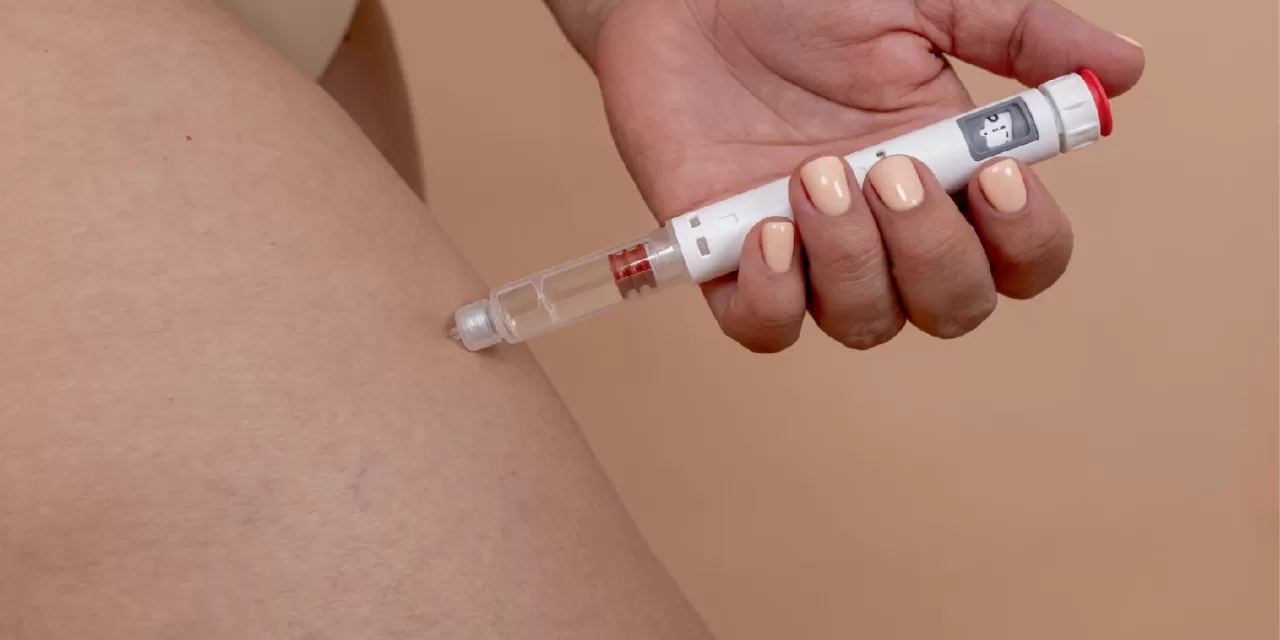
NEW DELHI — India’s top drug regulator has launched a nationwide sweep of the pharmaceutical supply chain to curb the unauthorized sale and misleading promotion of Glucagon-like Peptide-1 (GLP-1) receptor agonists. The move, announced by the Drugs Controller General of India (DCGI) on March 24, 2026, comes in response to a proliferation of generic variants and growing concerns over “on-demand” access to these potent metabolic medications without proper medical oversight.
In a coordinated effort with state regulators, federal authorities have audited 49 entities—including online pharmacy warehouses, drug wholesalers, and wellness clinics—issuing notices to defaulters and threatening the cancellation of licenses for those bypassing strict prescription protocols.
A Growing Market Meets Strict Mandates
The intervention follows the recent introduction of several generic versions of GLP-1 drugs in the Indian market. While these generics have the potential to increase affordability for patients with type 2 diabetes and obesity, they have also fueled a “gray market” where the drugs are marketed as quick-fix lifestyle products.
Under current Indian regulations, GLP-1 medications are categorized as highly regulated substances. They are approved for use only when prescribed by specific specialists:
-
Endocrinologists
-
Internal Medicine Specialists
-
Cardiologists (for specific cardiovascular indications)
“Patient safety remains our paramount concern,” the Regulator stated in the official briefing. “The misuse of weight loss drugs without clinical oversight can lead to severe health complications.”
The Enforcement Blitz: By the Numbers
The recent scale-up in enforcement, which intensified in early March 2026, has focused on four key areas of the supply chain:
| Entity Type | Focus of Inspection |
| Online Pharmacies | Verification of valid digital prescriptions and storage conditions. |
| Wholesalers | Tracking bulk diversions to unauthorized retail outlets. |
| Retail Pharmacies | Ensuring “over-the-counter” (OTC) sales are not occurring. |
| Wellness/Slimming Clinics | Identifying unauthorized dispensing and misleading “miracle cure” branding. |
The Risks of “On-Demand” Weight Loss
While GLP-1 drugs like semaglutide and liraglutide are revolutionary for metabolic health, they are not without significant biological impact. These medications mimic a hormone that targets areas of the brain that regulate appetite and food intake.
“These are not vanity drugs; they are complex metabolic interventions,” says Dr. Ananya Sharma, a senior endocrinologist not involved in the regulatory action. “When taken without a doctor’s supervision, patients risk severe gastrointestinal issues, pancreatitis, and gallbladder problems. Furthermore, improper dosing can lead to hypoglycemia or muscle wasting if not balanced with correct nutrition.”
On March 10, 2026, the DCGI issued a comprehensive advisory to manufacturers prohibiting surrogate advertisements. These are indirect promotions that use lifestyle imagery or vague health claims to bypass laws that forbid the direct-to-consumer advertising of prescription drugs.
Global Context and Public Health Implications
India is not alone in this struggle. The World Health Organization (WHO) issued a global medical product alert in late 2024 regarding falsified GLP-1 RA products. However, India’s challenge is unique due to its massive domestic manufacturing capabilities. As the “pharmacy of the world,” the influx of generic versions means supply is high, making the task of monitoring every retail point-of-sale significantly more difficult.
Public health experts argue that while the crackdown is necessary, it highlights a deeper issue: the medicalization of weight loss in a society where obesity rates are rising.
“Regulatory surveillance is a critical ‘stick,’ but we also need the ‘carrot’ of public education,” says Rajesh Kumar, a public health policy analyst. “Consumers need to understand that a drug bought via a WhatsApp group or a shady website might not just be illegal—it might be counterfeit or improperly stored, rendered either useless or toxic.”
GLP-1 drugs are “cold-chain” products, meaning they must be kept at specific temperatures ($2^\circ\text{C}$ to $8^\circ\text{C}$). Unauthorized supply chains often fail to maintain these standards, leading to protein degradation and loss of efficacy.
What This Means for Consumers
For those seeking treatment for obesity or diabetes, the message from health authorities is clear: The shortcut is the danger.
-
Consult a Specialist: Ensure your prescription comes from an Endocrinologist or Internal Medicine specialist.
-
Verify the Source: Purchase only from licensed pharmacies that require a physical or verified digital prescription.
-
Report Side Effects: If you experience severe abdominal pain, persistent nausea, or dizziness, contact your healthcare provider immediately.
The DCGI has signaled that this is not a one-time raid. Surveillance will intensify in the coming weeks, with the government prepared to use the full extent of the law—including prosecution—against entities putting profit over patient safety.
References
Official Sources:
-
Press Information Bureau (PIB) Delhi. “Regulatory Surveillance Over Weight Loss Drug (GLP-1) Supply Chain.” Posted 24 March 2026. [Ref: 10:02AM].
Medical Disclaimer: This article is for informational purposes only and should not be considered medical advice. Always consult with qualified healthcare professionals before making any health-related decisions or changes to your treatment plan. The information presented here is based on current research and expert opinions, which may evolve as new evidence emerges.