 0
0
 0
0
Published: March 22, 2026
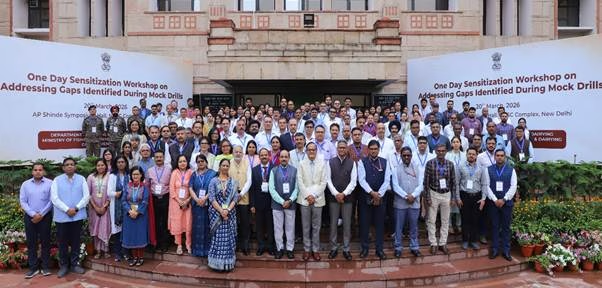
NEW DELHI — In a proactive move to shield the nation against future pandemics, the Department of Animal Husbandry & Dairying (DAHD) convened a high-level national workshop on March 20, 2026, at the NASC Complex, Pusa. The summit, titled “Addressing Gaps Identified during Mock Drills,” brought together over 200 experts from human, animal, and environmental health sectors to dissect the results of recent large-scale pandemic simulations. The gathering marks a critical milestone in India’s National One Health Mission, aimed at fixing systemic vulnerabilities before the next “Disease X” emerges.
The “Peace-Time Sweat”: Lessons from Simulation
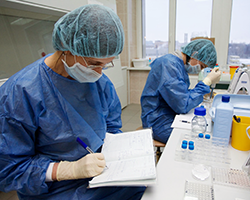
Between August 2024 and November 2025, India conducted two massive national mock drills: Vishanu Yudh Abhyas (Virus War Exercise) and Viral Sankraman Abhyas (Viral Transmission Exercise). These simulations were not mere bureaucratic hurdles; they were “stress tests” designed to push the country’s laboratory networks, inter-sectoral communication, and emergency biosafety protocols to their breaking points.
Prof. Ajay Kumar Sood, Principal Scientific Adviser to the Government of India, addressed the delegation with a sobering reminder: “The more you sweat in peace, the less you bleed in war.”
His urgency is backed by global health data. According to the World Health Organization (WHO) and the Centers for Disease Control and Prevention (CDC), approximately 60% of known infectious diseases in naturally occurring humans are zoonotic—meaning they jump from animals to people. Furthermore, 75% of new or emerging infectious diseases originate in wildlife or livestock.
Bridging the Divide: The One Health Approach
The workshop highlighted that human health cannot be viewed in a vacuum. The “One Health” approach recognizes that the health of people is closely connected to the health of animals and our shared environment.
“Nearly 60 to 70 percent of emerging infectious diseases in humans are of zoonotic origin,” Prof. Sood noted during the inaugural session. He emphasized the need for a “whole-of-government” approach, integrating veterinary sciences with human medicine and data-driven policymaking.
Key areas identified for immediate improvement include:
-
Integrated Surveillance: Merging data from animal clinics and human hospitals to spot outbreaks earlier.
-
BSL-3 Ecosystems: Strengthening high-security Bio-Safety Level 3 laboratories to handle dangerous pathogens safely.
-
Centre-State Coordination: Ensuring that local districts are as prepared as the central government in New Delhi.
From Theory to Practice: Table-Top Exercises
A unique feature of the workshop was the “Sankraman Pratirodh Abhyas” (Infection Resistance Exercise), a table-top simulation coordinated by the National Security Council Secretariat. This exercise forced participants to navigate a hypothetical outbreak in real-time, identifying exactly where communication chains break down.
Shri Naresh Pal Gangwar, Secretary of DAHD, pointed to the lessons of COVID-19 and recurring avian influenza (bird flu) as the primary drivers for these exercises. “The workshop aims to clearly define roles and responsibilities,” Gangwar stated. “We must enhance inter-agency coordination for the effective management of future public health emergencies.”
Expert Perspectives and Public Impact
While the workshop targeted high-level policy, the implications for the average citizen are profound. Epidemiologists not involved in the government drills suggest that these “dry runs” are essential for preventing the kind of lockdowns seen in 2020.
“Public health preparedness is often invisible until it fails,” says Dr. Aranya Sen, a public health consultant specializing in zoonoses (who was not a participant in the workshop). “When the government synchronizes animal health surveillance with human health alerts, it creates a ‘buffer zone.’ It means we might catch a virus in a poultry farm weeks before it ever reaches a local food market.”
For the general public, this translates to more robust food safety regulations, faster vaccine development timelines, and more accurate health communication during crises.
Limitations and the Road Ahead
Despite the optimism, experts acknowledge significant hurdles. Integrating different ministries—each with its own budget and hierarchy—is a monumental task. Skeptics often point to the “silo mentality” where human health departments and animal husbandry departments rarely share real-time data due to technical or bureaucratic barriers.
Furthermore, a mock drill in a controlled environment like the NASC Complex may not fully capture the chaos of a rural outbreak where infrastructure is limited. Addressing these “ground-level” gaps remains the next major challenge for the National One Health Mission.
Conclusion: A Collective Commitment
The workshop concluded with a time-bound commitment from stakeholders, including the ICMR, NCDC, and various veterinary universities, to rectify the flaws uncovered during the August and November drills. By institutionalizing these “war games” against viruses, India is moving from a reactive stance to a predictive one, leveraging science and technology to guard the nation’s frontline.
Reference Section
Official Sources:
-
Press Information Bureau (PIB) Delhi: “Strengthening One Health Preparedness: DAHD Hosts National Workshop,” March 21, 2026.
Medical Disclaimer: This article is for informational purposes only and should not be considered medical advice. Always consult with qualified healthcare professionals before making any health-related decisions or changes to your treatment plan. The information presented here is based on current research and expert opinions, which may evolve as new evidence emerges.