 0
0
 0
0
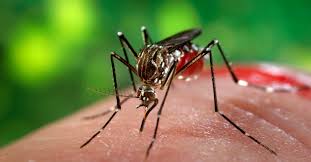
NEW DELHI — In response to the heightened risk of infectious disease outbreaks during the monsoon season, the Union Ministry of Health and Family Welfare has deployed a comprehensive, nation-wide preventive and containment framework. The multi-tiered strategy—encompassing real-time digital surveillance, vector management, grassroots capacity building, and targeted clinical interventions—aims to curb the seasonal surge of vector-borne and waterborne illnesses including malaria, dengue, acute diarrhoeal diseases, and leptospirosis.
The details of the national response were outlined in a formal submission to the Rajya Sabha by Union Minister of State for Health and Family Welfare, Smt. Anupriya Patel, highlighting a structural pivot toward early diagnostic detection and inter-sectoral convergence.
Expanding Surveillance: Digital Integration and Diagnostic Backbone
Central to the national defense mechanism is an expanded laboratory and digital monitoring network designed to catch transmission spikes before they escalate into localized epidemics.
To track and manage vector-borne conditions, the Health Ministry has established 887 Sentinel Surveillance Hospitals (SSHs) and 27 Apex Referral Laboratories (ARLs) across India. Diagnostic support is bolstered by the National Institute of Virology (NIV), Pune, which supplies specialized IgM ELISA test kits for dengue and chikungunya directly to network laboratories. Additionally, five core regional diagnostic facilities have been upgraded under the Programme for Prevention and Control of Leptospirosis (PPCL) through central Grant-in-Aid funding to secure necessary diagnostic consumables and advanced diagnostic machinery.
┌─────────────────────────────────────────────────────────────────┐
│               NATIONAL DISEASE SURVEILLANCE MATRIX              │
├────────────────────────────────┬────────────────────────────────┤
│ Sentinel Surveillance Network  │ 887 Hospitals & 27 Apex Labs    │
├────────────────────────────────┼────────────────────────────────┤
│ Primary Reference Center       │ National Institute of Virology │
├────────────────────────────────┼────────────────────────────────┤
│ Real-Time Digital Portal       │ IHIP-VBD Reporting Platform    │
└────────────────────────────────┴────────────────────────────────┘
The physical diagnostic infrastructure operates alongside the digital Integrated Health Information Portal for Vector Borne Diseases (IHIP-VBD). State and district health administrative bodies enter real-time, case-based epidemiological data into the IHIP platform. This real-time reporting system enables public health authorities to track localized transmission trends, map micro-hotspots, and deploy Rapid Response Teams (RRTs) dynamically.
Integrated Vector Management and Environmental Controls
To disrupt mosquito breeding cycles and suppress vector density, public health agencies are enforcing Integrated Vector Management (IVM) strategies. These physical and biological measures vary depending on environmental and endemic parameters:
-
Indoor Residual Spraying (IRS): Conducted in high-risk rural and semi-urban zones to eliminate adult mosquito populations on internal wall surfaces.
-
Long-Lasting Insecticidal Nets (LLINs): Distributed in endemic belts to protect vulnerable households during peak biting hours.
-
Biological Control & Anti-Larval Measures: Deployment of larvivorous fish (such as Gambusia affinis and Poecilia reticulata) in water bodies, combined with bio-larvicide application in urban settings.
-
Source Reduction: Community-led drainage clearing and minor environmental engineering aimed at eliminating stagnant water accumulation.
Independent public health analysts emphasize that physical vector control remains the cornerstone of breaking seasonal transmission chains.
“While clinical readiness saves lives after infection occurs, structural source reduction and continuous vector monitoring are what prevent health systems from becoming overwhelmed during heavy rainfall cycles,” notes Dr. Rajesh Kumar, a senior public health epidemiologist based in New Delhi, who was not involved in the parliamentary report. “The challenge lies in ensuring that urban local bodies sustain anti-larval drives consistently throughout the monsoon, rather than reacting only after hospital admissions rise.”
Target-Specific Campaigns: Diarrhoea, Leptospirosis, and Flood Readiness
Beyond vector management, health authorities have implemented focused clinical initiatives to handle monsoon-driven waterborne threats.
                                    ┌────────────────────────┐
                                    │  PROTECT, PREVENT,     │
                                    │     AND TREAT          │
                                    │    (PPT Strategy)      │
                                    └───────────┬────────────┘
                                                │
                     ┌──────────────────────────┴──────────────────────────┐
                     │                                                     │
        ┌────────────▼────────────┐                           ┌────────────▼────────────┐
        │  Oral Rehydration Salts │                           │   Zinc Supplementation  │
        │    (ORS) Distribution   │                           │     (Co-packaged)       │
        └─────────────────────────┘                           └─────────────────────────┘
The “STOP Diarrhoea” Initiative
Addressing the heightened risk of waterborne illnesses among pediatrics, the government launched the nationwide STOP Diarrhoea Campaign. Built on the “Protect, Prevent, and Treat” (PPT) framework, the initiative targets zero child mortality under age five through the pre-positioning and distribution of Oral Rehydration Solution (ORS) packets alongside zinc supplementation.
Leptospirosis Protocols
For regions exposed to waterlogging and agricultural runoff, technical advisories issued under the PPCL highlight early case detection, immediate empirical antibiotic administration, and mandatory case tracking through the Integrated Disease Surveillance Programme (IDSP).
Flood Preparedness and Urban Resilience
Recognizing the intersection of urban planning and disease outbreaks, the Ministry of Housing and Urban Affairs (MoHUA) is supporting Urban Local Bodies (ULBs) with technical guidelines to improve urban drainage systems. In areas affected by severe flooding, central advisories mandate that states maintain buffer stocks of essential diagnostic kits, anti-malarial therapies, and emergency insecticides.
Community Convergence and Public Health Messaging
The national preventive blueprint relies heavily on multi-sectoral convergence. Field implementation links primary healthcare networks with local Panchayati Raj Institutions (PRIs), Self-Help Groups (SHGs), public distribution networks, and community leaders. Frontline healthcare personnel, including Accredited Social Health Activists (ASHAs), are receiving dedicated training for early case detection, symptom identification, and community-level triage.
Simultaneously, Information, Education, and Communication (IEC) drives are utilizing broadcast, print, and social media platforms to educate households on eliminating stagnant water, recognizing early symptoms of fever, and practicing safe sanitation.
Challenges, Limitations, and Practical Guidance
While the structural response is robust, public health experts highlight persistent logistical challenges, particularly regarding uneven municipal execution across diverse geographies. Factors such as rapid urbanization, unplanned construction, variable local drainage maintenance, and delays in municipal data entry can impact real-time digital surveillance effectiveness.
Practical Recommendations for Households
To reduce individual exposure to monsoon-related illnesses, health authorities recommend the following everyday precautions:
-
Eliminate Standing Water: Inspect surroundings weekly to empty, scrub, and dry items that collect water (such as flowerpots, discarded tires, and coolers) to disrupt vector breeding.
-
Utilize Personal Protection: Wear long-sleeved clothing, apply EPA-registered insect repellents, and sleep under insecticidal bed nets—particularly in high-endemic areas.
-
Practice Food and Water Safety: Consume boiled or purified water, avoid untreated street foods, and maintain hand hygiene to prevent diarrhoeal infections.
-
Seek Early Medical Evaluation: If experiencing high fever, acute body aches, abdominal pain, or persistent vomiting, seek prompt evaluation at a certified medical facility rather than self-medicating with over-the-counter pain relievers, which can complicate conditions like dengue.
Medical Disclaimer
This article is for informational purposes only and should not be considered medical advice. Always consult with qualified healthcare professionals before making any health-related decisions or changes to your treatment plan. The information presented here is based on current research and expert opinions, which may evolve as new evidence emerges.
References
-
Ministry of Health and Family Welfare, Government of India. “Measures Taken to Prevent and Control Spread of Monsoon-Related Diseases.” Press Information Bureau (PIB) Delhi, Statement by Union Minister of State for Health and Family Welfare, Smt. Anupriya Patel, Rajya Sabha Written Reply, July 28, 2026.