 0
0
 0
0
NEW DELHI – In a move that could reshape the regulatory landscape for weight-loss treatments in India, the Delhi High Court has intensified its scrutiny of the popular diabetes drug Ozempic (semaglutide). On March 20, 2026, the court issued formal notices to the Central Drugs Standard Control Organisation (CDSCO), the Drugs Controller General of India (DCGI), and the Union government, demanding a response to allegations of regulatory negligence.
The court’s action follows a contempt petition alleging that health authorities failed to curb the “off-label” misuse of the drug—prescribing it for cosmetic weight loss rather than its approved use for type 2 diabetes. Justice Sachin Datta has directed the respondents to file their replies within four weeks, with a follow-up hearing scheduled for May 21, 2026.
The Legal Battle: A Timeline of Inaction
The legal friction began in July 2025, when Jitendra Chouksey, CEO of the healthtech startup Fittr, filed a Public Interest Litigation (PIL). Chouksey highlighted a troubling trend: a surge in non-diabetic individuals using Ozempic and similar GLP-1 agonists like Mounjaro (tirzepatide) to shed pounds, often driven by social media “thinspo” trends and celebrity endorsements.
In response to the initial PIL, the court ordered the CDSCO to investigate these reports, consult with manufacturers, and establish regulatory measures within three months. However, the new contempt petition claims the CDSCO missed this deadline, failing to provide the public or the court with a concrete plan to manage the skyrocketing demand that has led to black-market sales and supply shortages for actual diabetic patients.
Understanding Ozempic: Medicine vs. “Magic Pill”
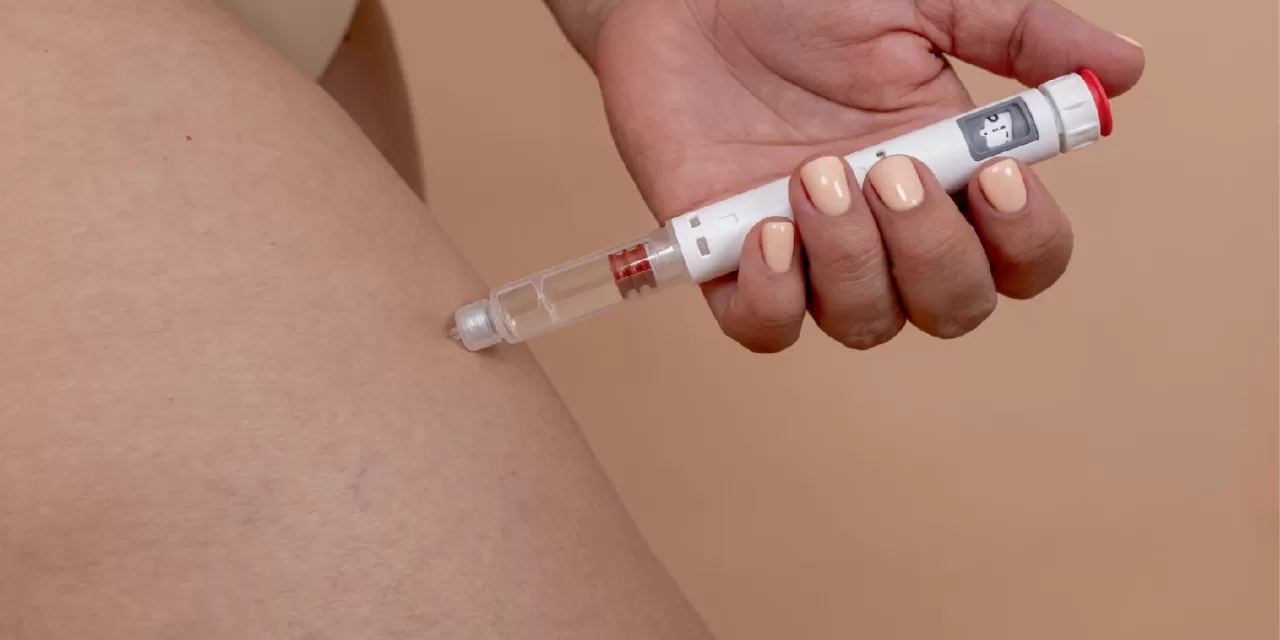
Ozempic, manufactured by Novo Nordisk, was officially cleared by the CDSCO for the Indian market in September 2025 and launched that December. It is a once-weekly injectable designed to mimic the GLP-1 (glucagon-like peptide-1) hormone. This hormone performs three critical functions:
-
Stimulates insulin production to lower blood sugar.
-
Slows gastric emptying, making the patient feel full longer.
-
Signals the brain to reduce appetite.
While clinical trials show that Ozempic can lead to a 5–15% reduction in body weight, medical experts emphasize that this is a therapeutic side effect for diabetics, not a green light for cosmetic use.
“Ozempic is a sophisticated metabolic tool, not a cosmetic quick-fix,” says Dr. Ankita Tiwari, Consultant Endocrinologist at Manipal Hospital, Bhubaneswar. “Using it without clinical necessity or professional oversight leads to a host of complications, including severe dehydration and rapid weight regain once the injections stop.”
The Risks of “Off-Label” Self-Medication
For those without type 2 diabetes, using Ozempic—particularly without a prescription or a doctor’s supervision—carries significant health risks. Clinical data suggests that up to 50% of users experience gastrointestinal distress, including:
-
Nausea and Vomiting: Affecting nearly 44% of users in some cohorts.
-
Pancreatitis: Inflammation of the pancreas, which can be life-threatening.
-
Gallbladder Disease: Rapid weight loss can trigger gallstones.
-
Hypoglycemia: Critically low blood sugar, especially dangerous for those not monitoring their glucose levels.
Furthermore, real-world data indicates a high rate of “rebound” weight gain. Without concurrent lifestyle changes, approximately 80% of users regain the weight they lost within a year of stopping the medication.
Dr. Shalini Jaiswal, a leading endocrinologist, notes the social impact: “Social media drives a vanity-based demand. When healthy individuals hoard these drugs for a ‘summer body,’ they create a man-made shortage for the 100 million Indians living with diabetes who rely on this medication for survival and cardiovascular protection.”
Public Health Implications: The “Shortage” Crisis
India is currently facing what researchers call a “diabetes epidemic.” According to projections published in The Lancet, over 100 million Indian adults are affected by the condition. When a drug like Ozempic is diverted to the off-label market, it creates a supply vacuum.
The implications extend beyond the individual. The “lifestyle drug” culture promotes a reliance on pharmaceuticals over sustainable health habits like nutrition and exercise. However, there is a silver lining for the future: Novo Nordisk’s patent for semaglutide is set to expire in March 2026. This could pave the way for high-quality Indian generics, potentially lowering costs and increasing supply—provided the CDSCO implements the strict regulatory “labeling and quotas” the court is currently demanding.
Balanced Perspectives: Access vs. Safety
Critics of the petition argue that India’s rising obesity rates (projected to reach 450 million overweight adults by 2050) necessitate easier access to GLP-1 therapies. They contend that the shortage is a manufacturing issue, not purely a misuse issue.
However, the medical consensus remains firm: semaglutide is a powerful drug that requires a high degree of clinical screening. The potential for thyroid tumors—noted in the drug’s “black-box warning” based on animal studies—requires patients to be screened for a personal or family history of medullary thyroid carcinoma before starting treatment.
What This Means for Consumers
For the average reader, the message from the Delhi High Court is a cautionary one. While semaglutide is a breakthrough in medical science, it is not a “magic pill” for the general public.
-
Consult a Specialist: Never purchase Ozempic through unregulated online channels or without an endocrinologist’s consultation.
-
Long-term Commitment: These medications are typically intended for long-term use alongside diet and exercise.
-
Priority Access: Be mindful that every off-label dose purchased for cosmetic reasons may be one less dose available for a patient with chronic disease.
As the May 21 hearing approaches, the healthcare community awaits the CDSCO’s response, hoping for a framework that balances innovation with patient safety.
Medical Disclaimer: This article is for informational purposes only and should not be considered medical advice. Always consult with qualified healthcare professionals before making any health-related decisions or changes to your treatment plan. The information presented here is based on current research and expert opinions, which may evolve as new evidence emerges.
References
Legal & Regulatory Sources:
-
Economic Times. (March 17, 2026). Ozempic row: Delhi HC seeks government reply over delay in off-label drug misuse probe.